

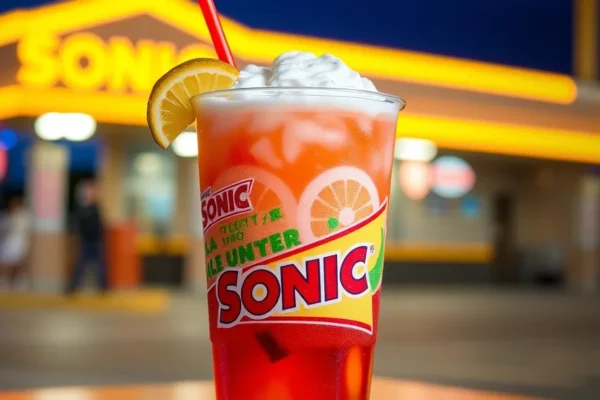
The Drive for Differentiation through Beverage Customization
Sonic Drive-In has increasingly centered its business model on a sophisticated drink customization platform to stand out in the crowded fast-food landscape. While many quick service restaurant (QSR) chains rely on standardized menus, Sonic has leaned into the concept of thousands of potential flavor combinations. This strategic pivot, heavily emphasized in recent marketing campaigns and annual reports from its parent company, Inspire Brands, targets the growing consumer desire for personalized experiences.
The strategy gained momentum as Sonic sought to combat sluggish afternoon traffic. By promoting its specialty drinks during the off-peak hours between lunch and dinner, the company has effectively turned the drive-in experience into a destination for beverage enthusiasts, rather than just a place to buy a burger. This push includes the integration of advanced point-of-sale systems that allow for seamless modifications to menu items, reflecting a broader commitment to operational flexibility.
Why Customization is the New Battleground
Sonic chose to prioritize its specialty beverages to address a specific structural challenge in the QSR industry: the afternoon slump. Most fast-food chains see significant revenue drops between 2:00 PM and 5:00 PM. Sonic, however, leverages its unique drive-in footprint to position its slushies, limeades, and fountain sodas as high-margin, low-labor treats that draw customers in when they are not necessarily looking for a full meal.
From a strategic standpoint, this approach serves as a moat—a term used to describe a business advantage that protects a company from competitors. By offering hundreds of thousands of flavor combinations, Sonic creates a personalized “signature” experience for the customer. According to industry research, menu customization is a primary driver for customer loyalty, as it grants consumers a sense of agency and creativity. The company’s stated goal is to capture the “snacking occasion,” a high-growth segment where the profit margins on fountain drinks and specialty beverages are significantly higher than those on food items.
The Competitive Landscape of Quick Service Beverages
Sonic’s focus on drink customization puts it in direct competition not just with traditional burger chains like McDonald’s or Wendy’s, but also with coffee-centric giants like Starbucks and beverage-specialty shops like Dutch Bros. While Starbucks dominates the premium coffee market, Sonic competes by offering a more accessible, value-driven, and highly varied cold beverage menu.
This strategy forces competitors to reconsider their own beverage lineups. For instance, major chains have started introducing more iced coffee and tea variations to avoid losing market share to Sonic’s diverse menu. However, Sonic holds a competitive advantage through its physical infrastructure. Its drive-in model allows for faster service and a unique “car-hop” interaction that feels more personalized than a drive-thru window. Conversely, competitors with massive scale have more resources to invest in high-tech beverage dispensing technology, which could eventually erode Sonic’s first-mover advantage in this niche.
Reshaping Industry Trends in Fast Food
The beverage strategy at Sonic signals a broader shift in the fast food industry: the era of the “one-size-fits-all” menu is fading. As consumer preferences move toward personalization, the industry is witnessing a transition toward digital-first menus that allow for endless tinkering. This trend is driven by the rise of mobile apps, which facilitate customization without slowing down the kitchen line.
Other QSR brands are likely to follow suit by digitizing their fountain drink stations and marketing them as “experience” hubs. The industry impact is twofold: it forces companies to invest heavily in backend technology to track inventory for thousands of ingredients and it places higher pressure on staff training to ensure quality control across a wider variety of product offerings. As specialty beverages become a standard, the race will shift from merely having “options” to having the most efficient digital interface to order them.
Financial and Operational Realities
Financially, the pivot to specialty drinks is a strategic play to boost average transaction value and improve profit margins. Fountain drinks are notoriously inexpensive to produce, often carrying some of the highest margins in the restaurant industry. By branding them as “specialty,” Sonic can charge a premium price for what is essentially a low-cost commodity.
Operationally, however, this model introduces complexity. Adding syrup pumps, fruit garnishes, and specialized ice varieties requires more storage space and more frequent restocking. While the short-term financial impact is likely positive due to the high margins of these items, the long-term operational impact depends on whether Sonic can maintain this level of customization without increasing wait times. If the process becomes too slow, the core benefit of a “quick” service restaurant is compromised, potentially damaging overall store throughput and total revenue.
Execution Risks and Operational Challenges
The primary risk to Sonic’s strategy is operational friction. While customers love choice, too much complexity can overwhelm kitchen staff and lead to errors in orders. Historical data in the restaurant industry suggests that when complexity exceeds a certain threshold, efficiency decreases, leading to frustrated employees and customers.
Additionally, there is a risk of brand dilution. By positioning itself as a “drink-first” destination, Sonic may inadvertently signal to the market that its food quality is secondary. Furthermore, as the beverage market becomes increasingly crowded with high-end, sugar-free, and energy-infused options, Sonic must constantly innovate its menu to remain relevant. If they fail to track changing health trends—such as the growing consumer demand for low-sugar alternatives—they may face a backlash from health-conscious consumers, which could impact brand perception in the long run.
Impact on Stakeholders
The success of the specialty drink strategy hinges on the alignment of various stakeholders. For employees, the increased demand for customized drinks means more tasks per order, necessitating robust training programs. For customers, the impact is largely positive, as they receive a highly tailored product at a relatively low price point.
Investors view this strategy with cautious optimism. If the drink platform continues to drive afternoon traffic and boost margins, it could serve as a model for other brands within the Inspire Brands portfolio. However, investors also watch for signs of operational fatigue. If labor costs rise because of the need to manage these complex orders, the margin gains from the drinks themselves could be offset. Maintaining a balance between variety and speed will be the defining measure of success for management.
Outlook and Strategic Milestones
Looking ahead, the success of Sonic’s specialty beverage platform will likely be measured by its ability to integrate digital tools. A key milestone will be the refinement of their mobile app ordering experience, which is the most efficient way to handle complex customizations. If Sonic can move the majority of these drink orders to the app, they can reduce the pressure on their physical drive-in stalls and collect valuable consumer data on flavor preferences.
Market observers should monitor same-store sales growth during the afternoon window as a primary indicator of success. Additionally, any major shifts in ingredient sourcing or the introduction of “healthy” beverage lines will demonstrate how the company intends to navigate changing dietary trends. The next 18 to 24 months will be crucial in determining whether this strategy becomes a permanent cornerstone of the business or if it requires significant revision.
Key Questions and Answers
Will this strategy work in the long term?
The success of Sonic specialty drinks depends on maintaining a balance between high customization and operational speed. While the high margins of beverages are a significant benefit, the company must ensure that complexity does not lead to decreased efficiency or order inaccuracies.
Why focus on drinks instead of food?
The drink strategy specifically targets the underutilized afternoon hours, allowing Sonic to increase revenue without the high costs associated with preparing complex food items. Fast food drink strategy is a proven method for increasing margins because beverages have lower ingredient costs than entrees.
How does Sonic compete with coffee giants?
Sonic uses a competitive advantage of value and variety, focusing on a broader range of frozen and iced beverages rather than traditional coffee. This attracts a different demographic that values refreshment and customization over the premium positioning of brands like Starbucks.
What are the primary execution risks?
The biggest risks include potential operational bottlenecks caused by menu complexity and the need for constant innovation in ingredients. If Sonic fails to adapt to health-conscious trends or if wait times increase, customer satisfaction may decline.
How long until we see measurable results?
Sonic has already seen positive impacts on its afternoon traffic, but the long-term success of this menu customization platform will be evident in quarterly same-store sales reports and mobile app engagement metrics over the coming two years.
Business outcomes and strategic success are subject to significant execution risk and changing market conditions. The analysis provided is based on current trends and industry data and should not be considered a guarantee of future financial performance.











