

Your Kitchen Sous Chef for Safer Eggs
Ever worried about the raw eggs lurking in your favorite recipes like homemade mayonnaise, Caesar dressing, or even a perfectly sunny-side-up breakfast? If the thought of salmonella eggs makes you pause, you’re not alone. For years, home cooks have had to choose between the risk of foodborne illness and the joy of using raw or undercooked eggs. But what if there was a low-effort way to pasteurize eggs right in your own kitchen, effectively killing salmonella without turning your eggs into scrambled bricks? This is where the concept of home egg pasteurization, often achieved with a sous vide setup, steps in. It’s designed for anyone who loves cooking with raw eggs but wants that extra layer of food safety, without the hassle of commercial pasteurization. If you’re a health-conscious cook, a parent, or just someone who prefers peace of mind, this method could be a game-changer.
The Magic of Gentle Heat for Safer Eating
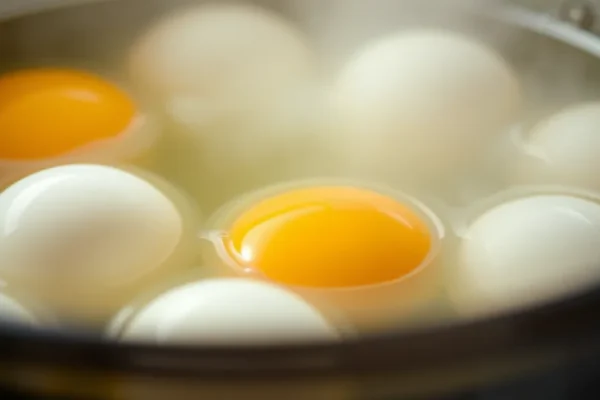
So, what exactly does this whole “pasteurize eggs” thing involve? Think of it as giving your eggs a warm, gentle bath. The idea is to heat the eggs to a specific temperature for a set amount of time. This temperature is high enough to kill harmful bacteria like salmonella, but not so high that it cooks the egg. This is where sous vide cooking shines. It uses precise temperature control in a water bath to cook food evenly and consistently. For eggs, this means you can achieve a pasteurized state where salmonella is no longer a threat.
Let’s look at some real-world scenarios:
- The Homemade Ice Cream Lover: You adore making rich, creamy ice cream from scratch, and the recipe calls for raw egg yolks. Instead of buying expensive, pre-pasteurized eggs or skipping that luscious texture, you can now pasteurize your own eggs at home. After a warm bath, your yolks are safe to incorporate, giving you that authentic homemade taste with zero worries about salmonella.
- The Caesar Dressing Aficionado: You can’t imagine a salad without that tangy, creamy Caesar dressing made with raw egg yolk for emulsification. With this method, you can whip up batches of safe-to-eat dressing whenever you crave it. No more store-bought versions that never quite taste the same.
- The Health-Conscious Baker or Smoothie Maker: Maybe you add raw eggs to your protein shakes for an extra boost, or you’re baking a delicate custard. Knowing your eggs are pasteurized means you can confidently include them in your diet, especially for vulnerable groups like young children, the elderly, or those with weakened immune systems. It’s about adding a safety net to your favorite nutritious treats.
Who Should Be Excited About This?
This low-effort pasteurization method is a fantastic option for a few key groups:
- Best For: Home cooks who regularly use raw or lightly cooked eggs. This includes bakers, ice cream makers, and those who love homemade dressings, sauces, or mousses. If your culinary adventures frequently involve raw eggs, this offers a significant peace of mind upgrade.
- m> Good For: Anyone concerned about food safety and the risk of salmonella eggs. Even if you don’t cook with raw eggs often, knowing you can* pasteurize them safely at home for specific recipes or for family members who might be more susceptible to illness is a valuable skill. It’s a proactive approach to food safety.
- Skip If: You’re someone who only cooks eggs thoroughly or avoids raw eggs entirely. If you only eat scrambled eggs, hard-boiled eggs, or fully cooked omelets, this method won’t offer you any additional benefit. Also, if you’re looking for the absolute quickest way to get eggs onto your plate without any prep, this might feel like an extra step.
Comparing Your Options for Safer Eggs
When it comes to getting safer eggs, you’ve got a few paths:
- Commercial Pasteurized Eggs: These are readily available in most grocery stores. They’ve undergone commercial pasteurization, meaning they are safe to consume raw. However, they often come with a higher price tag than regular eggs. They are convenient but sometimes harder to find depending on your location.
- Home Pasteurization (Sous Vide): This is the method we’re discussing. It requires some equipment (more on that later) but allows you to pasteurize any carton of regular eggs. This can be more economical if you use a lot of raw eggs, and you have full control over the process.
- Avoiding Raw Eggs: The simplest, but potentially least delicious, option is to simply avoid recipes that call for raw or undercooked eggs altogether. This is the safest bet if you have no interest in pasteurization.
Compared to commercial pasteurized eggs, home sous vide pasteurization can be more cost-effective in the long run, especially for bulk users. It also offers the flexibility of pasteurizing what you need, when you need it. However, it does require an initial investment in equipment and a little bit of your time, unlike the grab-and-go convenience of store-bought pasteurized eggs.
Getting Started: Easier Than You Think!
Setting up for home egg pasteurization using a sous vide method is surprisingly straightforward. You don’t need to be a tech wizard!
- What You’ll Need: The core items are a sous vide immersion circulator (this is the gadget that heats and circulates the water), a container large enough to hold the water and your eggs (a large pot or a dedicated sous vide water bath container works), and a way to keep your eggs submerged. Many immersion circulators are quite intuitive.
- The Process: You typically set the immersion circulator to a specific temperature, often around 135°F (57°C). Then, you gently place your whole, uncracked eggs into the water bath and let them heat for a set duration, usually 1 to 2 hours, depending on the exact method and desired outcome. Some people like to keep the eggs in their carton, others prefer to place them directly in the water.
- Learning Curve: The learning curve is minimal. The main things to learn are the correct temperature and time settings. Most immersion circulators have simple digital controls. You might do one or two “practice runs” to get a feel for it. The real trick is ensuring all your eggs are submerged and keeping the water temperature consistent. It’s not complicated, but it does require you to be present for the heating duration.
The Sweet Benefits of Safer Eggs
After diving into this method, here are some genuine advantages you’ll experience:
- Enhanced Food Safety: This is the big one. The primary benefit is significantly reducing the risk of salmonella contamination from your eggs. This is invaluable for peace of mind, especially when preparing food for children or those with compromised immune systems.
- Cost-Effective in the Long Run: While there’s an initial equipment cost, pasteurizing regular eggs yourself is generally cheaper than buying pre-pasteurized eggs, especially if you use them frequently. You’re essentially buying regular eggs and adding a safety feature.
- Preserves Egg Texture and Flavor: Unlike methods that cook eggs, the precise temperature of sous vide pasteurization keeps the eggs raw. This means the texture and flavor of your raw egg yolks and whites are perfectly preserved for recipes like mayonnaise, hollandaise, or custards. It’s like getting the best of both worlds – safety and quality.
- Flexibility and Control: You can pasteurize as many or as few eggs as you need, whenever you need them. This eliminates the need to hunt for specific pasteurized egg products in the store and ensures you always have a safe supply on hand.
Potential Hurdles and Things to Watch Out For
While this method is great, it’s not without its minor drawbacks:
- Time Commitment: While low-effort in terms of active involvement, pasteurizing eggs does require a dedicated time block of 1-2 hours for the water bath. You can’t rush the process, so you need to plan ahead.
- Equipment Investment: You’ll need to purchase a sous vide immersion circulator, which can range from $80 to $200 or more. This is an upfront cost that might be a barrier for some.
- Potential for Minor Leaks: If you pasteurize eggs in their cartons, there’s a small risk of water seeping into the carton if the seal isn’t perfect, especially with older cartons. Placing eggs individually in the water bath can mitigate this but requires careful handling.
- m> Not for Every Egg Dish: This method is for pasteurizing* raw eggs. It’s not a substitute for cooking eggs if your goal is a fully cooked dish. You still need to cook eggs for omelets or fried eggs as usual.
Is the Price of Peace of Mind Worth It?
The cost of entry for home egg pasteurization primarily involves purchasing a sous vide immersion circulator. Prices typically range from $80 for basic models to $200+ for more advanced ones. Beyond the circulator, you’ll need a suitable container and potentially some clips to hold it all together, which are usually minimal additional costs.
Is it worth the price? For avid home cooks who regularly use raw eggs in recipes, absolutely. If you’re making homemade ice cream or Caesar dressing weekly, the long-term savings compared to buying commercial pasteurized eggs can easily justify the investment. For someone who uses raw eggs only a few times a year, the cost might be harder to swallow.
Budget-friendly alternatives might include buying commercial pasteurized eggs when they are on sale, or simply adjusting recipes to avoid raw eggs. However, if the ability to safely enjoy homemade mayonnaise or delicate custards without worry is a priority, the sous vide method offers excellent value.
The Final Word: Should You Pasteurize Your Eggs at Home?
If you’re someone who loves to cook and has a penchant for recipes that call for raw or undercooked eggs – think luscious homemade ice cream, silky Caesar dressing, or rich mousses – then learning to pasteurize your own eggs at home using a sous vide setup is a fantastic idea. It offers a significant boost in food safety, effectively addressing the risk of salmonella eggs, without compromising the texture or flavor of your creations. The process is surprisingly simple once you have the right tool, making it a low-effort yet high-reward addition to your kitchen arsenal.
However, if you rarely, if ever, use raw eggs, or if the idea of an extra step and an initial equipment purchase feels like too much, this might not be for you. The convenience of buying commercially pasteurized eggs might be a better fit if your usage is infrequent. For those who are ready to embrace safer raw egg consumption, this method offers control, cost savings, and the pure joy of delicious, worry-free homemade treats.
Frequently Asked Questions About Pasteurizing Eggs
What temperature is needed to pasteurize eggs and kill salmonella?
To effectively kill salmonella, eggs need to reach an internal temperature of around 135°F (57°C) and be held at that temperature for a specific duration, typically 1 to 2 hours depending on the method.
Can I pasteurize eggs in their shells using this method?
Yes, the most common and recommended method for home pasteurization is to heat whole, uncracked eggs in their shells in a precisely controlled water bath.
How long do pasteurized eggs last in the refrigerator?
Pasteurized eggs, when stored properly in the refrigerator, generally have a shelf life of about 3 to 5 weeks. It’s always best to check for freshness before use.
Is sous vide pasteurization better than regular cooking for eggs?
It’s different. Sous vide pasteurization heats eggs to a temperature that kills bacteria without cooking them, preserving their raw state. Regular cooking fully cooks the eggs, making them safe but also changing their texture and suitability for raw egg recipes.
Do I need a special sous vide machine to pasteurize eggs?
While you could try to manually maintain temperature in a pot, a sous vide immersion circulator is highly recommended. It provides the precise and consistent temperature control crucial for effective and safe pasteurization, making the process much easier and more reliable.
Are store-bought pasteurized eggs the same as home-pasteurized eggs?
Both methods aim to kill harmful bacteria like salmonella. Commercial pasteurization is done on a larger scale under strict regulations. Home pasteurization, when done correctly with precise temperature control, achieves a similar food safety outcome for your own eggs.
Product prices and availability vary by region. Verify current pricing before purchase.











