

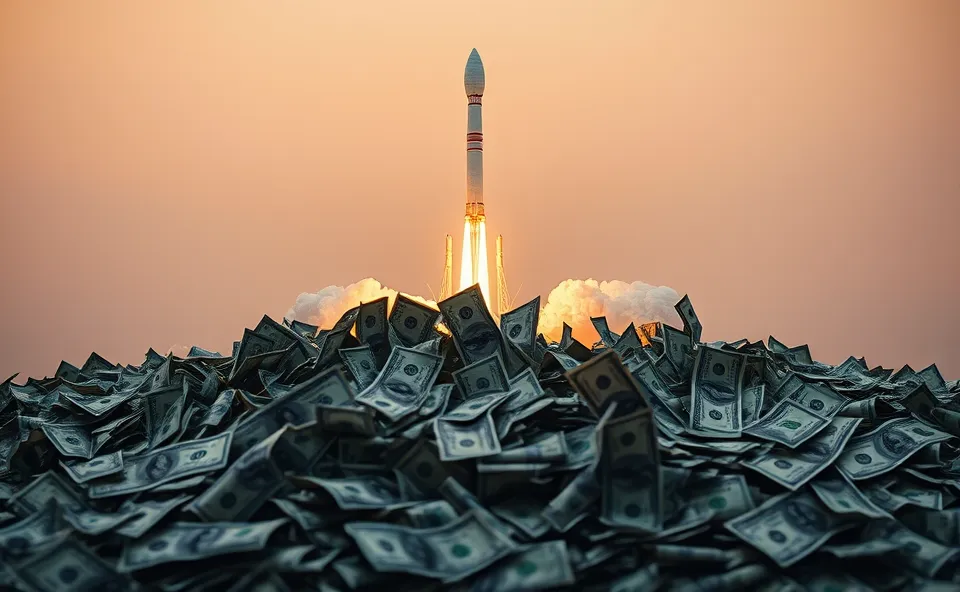
Did SpaceX Leave Billions on the Table?
Imagine you have something incredibly valuable, like a winning lottery ticket before it’s officially announced. You decide to sell it, but you sell it for way less than it’s actually worth. That’s kind of what’s being talked about with SpaceX. Recent analyses suggest that when SpaceX considered going public, its initial public offering or IPO might have dramatically undervalued the company. We’re talking about a potential $16.7 billion that could have been on the table, simply left unclaimed. It’s a huge number, and it’s got a lot of people in the finance and tech worlds buzzing.
Why Are We Talking About a Past IPO That Didn’t Fully Happen?
The reason this topic is trending now is because the conversation around SpaceX’s potential future as a public company, and its current impressive performance, keeps bringing up this past valuation discussion. Every time Elon Musk’s space venture achieves a new milestone or its Starlink service expands, people look back and wonder if the valuation discussions for a SpaceX IPO were truly accurate. The sheer pace of SpaceX’s innovation and its impact on the space industry make its financial story, including past valuation estimates, a hot topic. It’s a reminder that even for groundbreaking companies, getting the valuation right during an IPO is a massive challenge.
A Look Back at the Dream of Going Public
For a long time, there’s been talk of SpaceX eventually having an IPO. While it hasn’t fully materialized in the traditional sense of listing on a stock exchange, the company has undergone several funding rounds, which essentially set internal valuations. These valuations are what analysts are now looking at. Think about it: SpaceX, under Elon Musk’s leadership, has gone from a risky startup with ambitious goals to a dominant force in rockets and satellite internet. They’ve revolutionized space travel, made launches cheaper, and are building a massive satellite constellation with Starlink. All these achievements would naturally point to a very high valuation. However, the nature of private company funding rounds versus a public IPO means that the price per share can be set differently. This is where the idea of “underpricing” comes in. It’s common for companies, especially those with immense growth potential, to offer shares at a lower price during an IPO to attract investors and ensure a successful launch. But when that gap between the initial offering price and the company’s actual perceived value becomes this large, it raises eyebrows.
The Ripple Effect: What This Means for Everyone
So, what’s the big deal about SpaceX leaving money on the table? For starters, it highlights a fascinating aspect of finance: IPO underpricing. For investors who did get in early or had the opportunity to buy shares at those potentially lower prices, it represents a significant win. It means they could see a much larger return on their investment over time compared to if the IPO had been priced at its full potential. For the broader space industry, it underscores the immense value and potential that SpaceX represents. It encourages more investment and innovation in the sector. It also raises questions about how venture capital firms and private investors assess such high-growth, cutting-edge companies. The rapid cash burn rate at SpaceX is another critical piece of this puzzle. Building rockets and a global satellite internet service like Starlink costs an astronomical amount of money. SpaceX has consistently invested heavily in research, development, and manufacturing. This aggressive spending, while fueling rapid progress, also means the company needs substantial capital. If SpaceX had gone public at a higher valuation, it would have raised more money upfront, potentially easing the pressure on its cash reserves and allowing for even more ambitious projects without the constant need for further funding rounds.
The implications extend to Elon Musk himself. His ability to manage both public perception and the complex financial realities of his ventures is legendary. A potentially undervalued SpaceX IPO might mean that a significant portion of the company’s growth in value is being captured by early investors rather than by the company itself or its long-term public shareholders. This also influences how other tech startups approach their own IPO strategies. Do they aim for a higher initial valuation and risk a less explosive debut, or do they opt for underpricing to guarantee success and let the market drive the price up later?
Looking Ahead: What’s Next for SpaceX’s Financial Journey?
While the talk of a $16.7 billion “mistake” is based on retrospective analysis, it certainly shapes the ongoing narrative around SpaceX’s financial future. The company continues to grow at an incredible pace. Starlink is expanding its reach and subscriber base, and the Starship program promises to revolutionize space exploration and commercialization. As SpaceX continues to execute its ambitious roadmap, the question of its eventual full public listing, or further private funding rounds, will remain a key focus. If and when a traditional SpaceX IPO does occur, the lessons from these past valuation discussions will undoubtedly be critical. Investors will be watching closely to see how the company prices itself and whether it aims to capture its full market value from the outset, or if it will again choose a more conservative approach. The company’s financial strategy will need to balance its relentless pursuit of innovation with the need for sustainable capital. The rapid cash burn, while a sign of aggressive growth, will continue to be a significant factor in its financial planning.
Frequently Asked Questions About SpaceX’s Financials
Is a SpaceX IPO still on the horizon?
While Elon Musk has mentioned the possibility of a SpaceX IPO in the past, there’s no definitive timeline currently set. The company has been focused on its ambitious projects like Starlink and Starship, and has pursued private funding rounds instead.
What does it mean that SpaceX IPO might have been undervalued?
It means that if SpaceX had gone public, the initial price of its shares might have been set significantly lower than what many analysts believe the company is truly worth. This could have left potential billions in capital unraised for the company.
How does SpaceX’s cash burn rate affect its valuation?
SpaceX has a high cash burn rate because it invests heavily in developing new technologies like Starship and expanding its Starlink network. While this fuels innovation, it also means the company constantly needs significant capital. A higher valuation in an IPO could provide more funds to cover this burn.
What is Starlink and how does it relate to SpaceX financials?
Starlink is SpaceX’s satellite internet constellation. It’s a major project that requires substantial investment, contributing to the company’s cash burn, but it also represents a significant potential revenue stream and a key part of SpaceX’s overall valuation.
How has venture capital influenced the SpaceX valuation?
Venture capital has been crucial in funding SpaceX’s early development and growth. The valuations set during these private funding rounds, while significant, are different from a public market IPO valuation and are the basis for discussions about potential underpricing.











