

Why Your Next Skillet Should Be Stainless Steel
Hey there, fellow kitchen enthusiast! Let’s talk about something that might seem small but makes a huge difference in how you cook: your skillet. We’ve all been there, staring at a collection of pans, trying to figure out which one is best for that perfect sear or that delicate sauté. Today, I want to dive into why a good old stainless steel skillet is often a smarter, longer-lasting choice than those pans with fancy nonstick coatings.
Think about it. When you’re investing in kitchenware, you want it to last, right? You want something that can handle the heat, perform consistently, and maybe even become a reliable kitchen companion for years. While nonstick pans are tempting with their promise of easy food release, they often come with a hidden cost: a shorter lifespan and limitations on how you can actually cook. A stainless steel skillet, on the other hand, is built for the long haul, offering a different kind of kitchen magic that’s hard to beat for serious cooks.
The Stirring Shift in Kitchen Trends
You might be noticing a quiet buzz about traditional cookware making a comeback, and there’s a good reason for that. People are starting to question the throwaway culture of some modern kitchen gadgets. We’re increasingly aware of the materials we use and their impact, not just on our health but on our wallets too. This growing interest in durable, high-performing kitchenware makes the stainless steel skillet a hot topic again.
Consumers are looking for value and longevity. They want pans that can do more than just cook eggs without sticking. They want pans that can handle high heat for a perfect crust on a steak, pans that can go from stovetop to oven, and pans that won’t degrade over time. This desire for robust, versatile, and ultimately more sustainable cookware is fueling the renewed appreciation for the classic stainless steel pan.
From Humble Beginnings to Kitchen Staple
To really understand why stainless steel skillets are so great, let’s rewind a bit. Stainless steel itself has been around for over a century, initially developed for its resistance to rust and corrosion. Its application in cookware really took off as people discovered its ability to conduct heat evenly (especially when layered with other metals like aluminum or copper) and its incredible durability. Unlike early cast iron which could rust if not meticulously cared for, or pans with early, less reliable coatings, stainless steel offered a strong, stable option.
For decades, professional chefs have relied on stainless steel. In busy restaurant kitchens where pans are used constantly, abused sometimes, and need to perform under pressure, stainless steel’s toughness and versatility shine. This is the same metal cookware that has graced countless professional cooking environments. It’s the workhorse that chefs trust, and that trust comes from proven performance day in and day out. This heritage of reliability is a big part of its appeal today.
The Enduring Appeal of Stainless Steel Pans
So, what makes a stainless steel skillet such a superior long-term investment? Let’s break it down.
- Unmatched Durability: This is the big one. A well-made stainless steel skillet can literally last a lifetime. It won’t warp easily, it won’t chip, and it won’t degrade with heat. You don’t have to worry about scratching the surface with metal utensils, which is a game changer for many cooks. This inherent pan durability means you buy it once and you’re good to go.
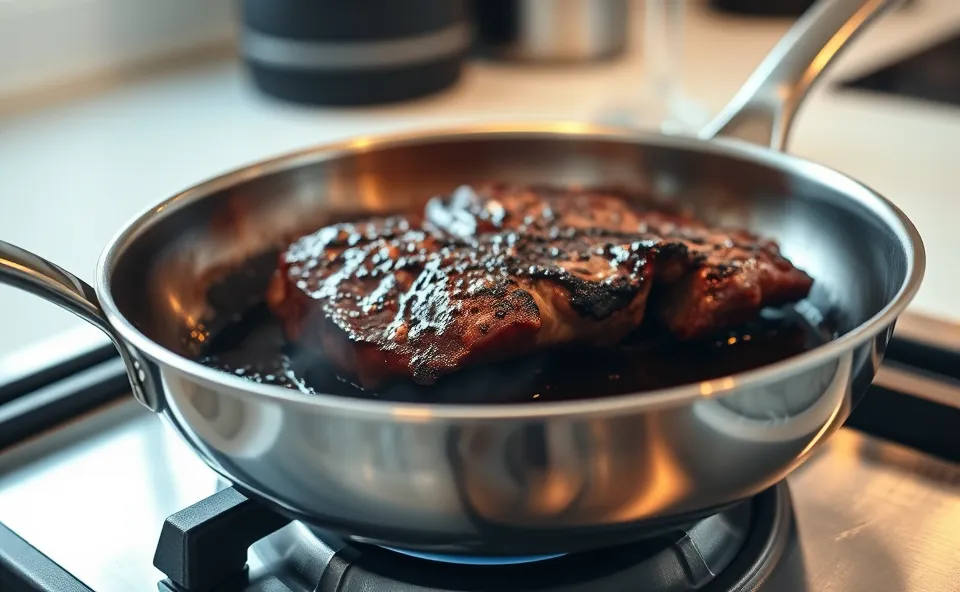
- Exceptional Searing Ability: If you love a perfectly browned steak, chicken, or even vegetables, stainless steel is your best friend. It excels at developing a beautiful, flavorful crust because it can handle high temperatures without flinching. Those browned bits left in the pan after cooking? That’s pure flavor gold, perfect for making pan sauces. This incredible searing ability is something many nonstick pans simply can’t achieve.
- Versatility Beyond Compare: Your stainless steel skillet isn’t confined to the stovetop. Most are oven-safe, meaning you can sear a steak and then pop it in the oven to finish cooking. You can deglaze the pan to make a sauce, and you can use virtually any utensil you want. This adaptability makes it incredibly useful for a wide range of cooking techniques.
- Chemical-Free Cooking: Unlike pans with nonstick coatings, which can sometimes break down or release chemicals at high heat, stainless steel is inert. It doesn’t react with food, so you can cook acidic ingredients like tomatoes or lemon juice without worry. This offers peace of mind and a cleaner cooking experience.
- Easy Maintenance (Once You Get the Hang of It): While stainless steel might require a slightly different technique for sticking food compared to nonstick, it’s far from difficult. A little preheating, the right amount of fat, and understanding how heat works are key. Once you master these simple steps, cleanup is usually straightforward, often involving a quick soak or a good scrub. And when it does get tough, there are effective cleaning methods that can restore its shine, ensuring its lifetime durability.
Consider the cost factor over time. While a high-quality stainless steel skillet might have a higher upfront cost than a cheap nonstick pan, you’re likely replacing those nonstick pans every year or two. A stainless steel skillet, with proper care, can be an heirloom piece. The long-term value is undeniable.
What’s Next for Our Cookware Choices?
The trend towards durable, high-performance cookware is likely to continue. We’ll probably see even more innovation in how stainless steel is constructed, perhaps with advanced layering techniques or ergonomic designs that enhance its usability. This means we can expect even better heat distribution and more comfortable handling from our stainless steel pans.
As consumers become more discerning about the quality and longevity of their purchases, the appeal of classic, reliable materials like stainless steel will only grow. It’s a move away from disposable kitchenware towards thoughtful investments that serve us well for years. This shift reflects a broader trend in consumer behavior: valuing quality, performance, and sustainability in the products we bring into our homes.
Frequently Asked Questions
What are the main benefits of choosing a stainless steel skillet over a nonstick pan?
The primary benefits of a stainless steel skillet include its incredible pan durability, excellent searing ability, and unmatched versatility. Unlike nonstick coatings, stainless steel offers lifetime durability, can handle high heat without degradation, and is safe for use with metal utensils. This makes it a superior choice for professional cooking and home kitchens alike.
Can I really achieve nonstick results with a stainless steel skillet?
While it doesn’t have a chemical nonstick coating, you can achieve excellent food release with a stainless steel skillet by using the right techniques. Proper preheating of the pan and the addition of adequate cooking fat are key. Once the pan is hot and the fat is shimmering, most foods will release easily, especially proteins like fish and chicken.
How does the searing ability of stainless steel compare to nonstick pans?
The searing ability of a stainless steel skillet is significantly better than most nonstick pans. Stainless steel can reach and maintain higher temperatures without damaging the surface, which is crucial for developing a deep, flavorful crust on meats and vegetables. Nonstick pans often can’t handle the intense heat required for optimal searing, and their coatings can degrade over time with high heat use.
Is stainless steel cookware considered a good long-term investment?
Absolutely. A high-quality stainless steel skillet is an excellent long-term investment. Due to its extreme durability and resistance to wear and tear, it can last for decades, often a lifetime. This contrasts with nonstick coatings which typically wear out after a few years, requiring frequent replacement. The initial cost of stainless steel pans is often offset by their longevity and consistent performance.
Are there any specific types of stainless steel cookware that are better than others?
For cooking, particularly for a stainless steel skillet, look for clad cookware. This means the pan has layers of different metals, usually stainless steel on the outside and inside, with a core of aluminum or copper in between. This construction improves heat conduction and distribution, preventing hot spots and leading to more even cooking. This type of construction contributes greatly to the overall pan durability and performance of your kitchenware.











