

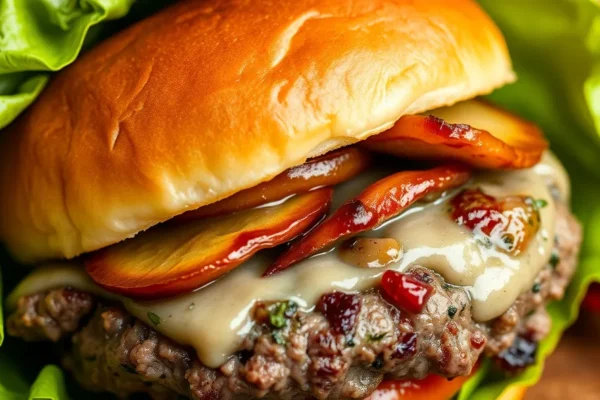
Steak ‘n Shake Embraces Health-Conscious Trends with New Protein Steakburger
Steak ‘n Shake, a long-standing player in the fast-casual burger segment, has introduced a new menu item designed to appeal to a growing demographic of health-conscious consumers. The company recently unveiled its Protein Steakburger, a new menu item that features 100% grass-fed beef and is served on a lettuce bun. This offering is being positioned as a high-protein, low-carb option, aligning with what the company describes as MAHA-inspired principles. The launch was announced via company press releases and is now available across Steak ‘n Shake locations nationwide.
Strategic Rationale: Tapping into the Wellness Wave
The introduction of the Steak ‘n Shake Protein Steakburger is a strategic move aimed at capturing a segment of the market increasingly prioritizing health and nutrition without sacrificing the convenience of fast food. For years, the fast-food industry has faced a perception challenge regarding its health offerings. However, evolving consumer preferences, driven by a greater awareness of dietary impacts on well-being, have compelled many brands to adapt. This decision addresses the “why” behind Steak ‘n Shake’s innovation: to expand its customer base and increase relevance in a competitive market. The company is capitalizing on two significant trends: the demand for higher protein diets and the popularity of low-carbohydrate lifestyles. According to recent industry reports from Datassential, consumer interest in “high protein” and “low carb” options has steadily climbed, making these attributes key differentiators. By highlighting “100% grass-fed beef” and a “lettuce wrap burger” format, Steak ‘n Shake is directly communicating these benefits, aiming to attract consumers who might otherwise perceive their traditional offerings as too indulgent. This strategic pivot is also an attempt to counter potential market share erosion from newer, more health-focused fast-casual concepts.
Competitive Context: A Race for the Health-Conscious Consumer
Steak ‘n Shake’s move places it directly in competition with a range of other fast-food and fast-casual chains that have already introduced similar health-oriented options. Competitors like McDonald’s with its Quarter Pounder (with various customization options), Wendy’s with its salads and grilled chicken options, and even fast-casual brands like Shake Shack (which offers a “ShackBurger” that can be customized) have been vying for the health-conscious diner. The specific emphasis on 100% grass-fed beef and a 31g protein count positions the Steak ‘n Shake Protein Steakburger as a direct challenger to brands that have successfully integrated premium ingredients and healthier alternatives. For chains that have already established a strong presence in the “healthy fast food” category, this may not represent a seismic shift but rather a reinforcement of existing strategies. However, for traditional burger joints, it signifies a clear acknowledgement of market demand and a necessary adaptation. The gain for Steak ‘n Shake could be a renewed appeal to existing customers seeking healthier choices and an attraction of new customers who prioritize nutritional content. Rivals that haven’t yet diversified their menus with substantial high-protein, low-carb offerings might feel pressure to accelerate their own innovation pipelines to avoid being perceived as outdated.
Industry Implications: Shifting the Fast Food Paradigm
The introduction of the Steak ‘n Shake Protein Steakburger is a signal that the entire fast-food sector is continuing its evolution towards accommodating diverse dietary needs and preferences. It underscores a broader industry trend where “fast food” no longer exclusively means indulgence; it increasingly incorporates options that cater to wellness goals. This development is part of a larger narrative of menu diversification seen across the industry, where companies are experimenting with plant-based alternatives, globally inspired flavors, and, as in this case, macro-nutrient focused items like high-protein and low-carb meals. Industry analysts suggest that such menu innovations are crucial for maintaining relevance and attracting younger, more health-conscious demographics. We can expect other established burger chains and fast-food providers to monitor the performance of Steak ‘n Shake’s new offering closely. If successful, it could inspire similar product development or a more pronounced marketing push for existing healthy options within competing organizations. The broader competitive landscape may see an acceleration in the development and promotion of specialized dietary options, further segmenting the fast-food market.
Financial & Operational Impact: Balancing Cost and Consumer Appeal
From a financial perspective, the Steak ‘n Shake Protein Steakburger has the potential to drive incremental revenue by attracting a new customer segment and encouraging existing customers to choose a potentially higher-margin item. The use of 100% grass-fed beef, while appealing to a niche market, can also come with higher sourcing costs compared to conventional beef. This cost differential will need to be managed effectively to ensure profitability. If the protein-packed, low-carb burger becomes a popular choice, it could lead to increased sales volume and improved overall profitability for Steak ‘n Shake. Operationally, integrating a new menu item, especially one with specific ingredient sourcing like grass-fed beef, requires careful supply chain management and potential adjustments in kitchen procedures. Ensuring consistent quality and availability of grass-fed beef across all locations will be a critical operational consideration. The long-term financial impact will largely depend on the product’s sustained popularity and its ability to command a price point that reflects its premium ingredients while remaining competitive. While specific financial projections for this new item have not been publicly disclosed by Steak ‘n Shake, successful adoption could lead to a modest uplift in same-store sales, as indicated by analyst reports on the impact of successful menu innovation in the quick-service restaurant (QSR) sector.
Execution Risks & Challenges: Navigating Consumer Perception and Sourcing
Despite the strategic advantages, the Steak ‘n Shake Protein Steakburger faces several execution risks. Firstly, while “MAHA-inspired” and “low carb” appeal to a specific audience, the term “burger” itself is still strongly associated with indulgence. Steak ‘n Shake needs to effectively communicate the health benefits of this new offering without alienating its traditional customer base, which may prefer the classic, more decadent Steakburger experience. Secondly, the sourcing of 100% grass-fed beef can be more complex and costly than conventional beef. Ensuring a consistent, high-quality supply chain that meets demand without significant price increases will be a considerable operational challenge. Historically, Steak ‘n Shake has faced operational hurdles and ownership changes, which could impact the consistent execution of new menu initiatives. Furthermore, consumer adoption is never guaranteed. The company must contend with a crowded market where other brands have already established their healthy offerings. If the taste, perceived value, or marketing of the Protein Steakburger doesn’t resonate with consumers, it could fail to gain traction, leading to wasted investment in product development and marketing. Market and regulatory risks, such as potential fluctuations in beef prices or evolving health claims regulations, could also impact the long-term viability of the product.
Stakeholder Implications: Appealing to a Broader Audience
The introduction of the Steak ‘n Shake Protein Steakburger has multifaceted implications for various stakeholders. For customers, it offers a new choice that aligns with evolving dietary goals, potentially broadening the appeal of the brand to individuals seeking high-protein, low-carb meals. This caters to a growing segment of the population actively managing their nutrition. For employees, it may require new training on product ingredients and benefits, ensuring they can effectively communicate the value proposition to customers. For partners, particularly suppliers of grass-fed beef, it represents an opportunity for increased business and potentially long-term supply agreements. For investors, the success of this new item could be viewed as a positive indicator of management’s ability to innovate and adapt to market trends, potentially leading to increased confidence and improved market sentiment. However, if the product underperforms, it could raise concerns about the company’s strategic direction and its ability to execute effectively. Culturally, it signifies a potential shift in Steak ‘n Shake’s brand perception, moving beyond its traditional image to encompass a more health-conscious identity, a delicate balance to strike.
Outlook & Next Steps: Measuring Success in a Competitive Space
If the Steak ‘n Shake Protein Steakburger proves successful, the company will likely see increased foot traffic from health-conscious consumers and a potential boost in average check sizes if the new item commands a premium price. Key milestones to watch would include sustained week-over-week sales growth for the Protein Steakburger, positive customer reviews and social media sentiment, and any indication that the item is drawing in new customer demographics. Indicators of failure could include low sales volume, negative customer feedback regarding taste or value, or significant supply chain disruptions. Measurable outcomes could be observed within the next six to twelve months, particularly in terms of its contribution to overall revenue and its impact on customer traffic. Success could pave the way for further menu innovation in the healthy fast food space, potentially leading to more specialized offerings or a more prominent marketing focus on health and wellness across the Steak ‘n Shake brand. Conversely, a lukewarm reception could lead to the product being phased out or a reassessment of the company’s innovation strategy.
Key Questions & Answers
Will the Steak ‘n Shake Protein Steakburger resonate with consumers?
The success of the Steak ‘n Shake Protein Steakburger will depend on its ability to deliver on taste, value, and effective marketing. While the appeal of high-protein and low-carb options is growing, the brand’s traditional image will play a role in consumer perception.
Why did Steak ‘n Shake focus on grass-fed beef and a lettuce wrap?
The choice of 100% grass-fed beef and a lettuce wrap directly addresses the demand for healthier ingredients and lower carbohydrate intake. This MAHA-inspired approach targets consumers seeking premium, nutrient-dense fast food options.
What are the main risks for Steak ‘n Shake with this new item?
The primary risks include higher sourcing costs for grass-fed beef, the challenge of effectively communicating health benefits to a broad audience, and competition from established healthy fast food options. Execution challenges related to supply chain consistency are also a concern.
How long until we see the financial impact of the Protein Steakburger?
Significant financial impact could be measurable within six to twelve months, depending on the pace of consumer adoption and its contribution to overall sales volume and profitability. Initial sales data will be crucial indicators.
Is this a sign of Steak ‘n Shake pivoting its entire brand?
While this new item indicates a strategic adaptation to market trends, it is more likely an expansion of their menu to capture new demographics rather than a complete brand pivot. Steak ‘n Shake will likely continue to offer its traditional popular items.
What makes this “MAHA-inspired”?
The term “MAHA-inspired” likely refers to a focus on macronutrient balance and whole, less processed ingredients, aligning with principles often found in various healthy eating methodologies that emphasize protein and controlled carbohydrate intake.
Business outcomes are subject to execution risk, market reception, and evolving competitive dynamics.











