

The Steam Machine A Bold Dream for Console Gaming
Remember the buzz around the Steam Machine? Valve, the folks behind the hugely popular PC game storefront Steam, had this big idea: what if you could have the power and flexibility of PC gaming, but with the simplicity and living room appeal of a traditional game console? That was the core promise of the Steam Machine. It wasn’t just one box; it was a whole platform. Companies like Alienware, Gigabyte, and others partnered with Valve to create these machines, all designed to run Steam’s Big Picture Mode, a game-focused interface meant to be navigated with a controller from your couch. The ambition was sky-high, aiming to bridge the gap between the massive PC gaming library and the cozy console experience. It was meant to be the future of gaming, offering a sleek, curated way to play your favorite PC titles without a clunky keyboard and mouse setup.
Why Are We Still Talking About the Steam Machine Today?
Even though the Steam Machine didn’t exactly conquer the world, it’s popping up in conversations again because it represents a fascinating “what if” in the history of gaming hardware. People are looking back at its ambitious goals and the challenges it faced, which often sparks discussions about the current state of both PC gaming and console gaming. We’re seeing more companies try to blend these worlds now, like with cloud gaming services or more powerful, compact gaming PCs. The Steam Machine’s story serves as a valuable case study. It shows us the difficulties in taking something as complex as PC gaming and trying to package it into a simple, plug-and-play entertainment system. It reminds us that while the dream of a unified gaming experience is appealing, the reality is often much more complicated. The conversation often circles back to user experience and how well Valve managed to deliver on its promises, making it a relevant topic for anyone interested in the evolution of gaming hardware and the ongoing quest for the perfect gaming setup.
From Digital Doors to Living Room Dreams
To really get the Steam Machine, you need to understand where it came from. Valve’s success with Steam on PC was phenomenal. It revolutionized how games were bought and played on computers, offering a vast library and digital convenience. But PC gaming, for all its strengths, often meant dealing with drivers, hardware compatibility, and a desktop setup. Meanwhile, console gaming was the king of the living room, offering simple, dedicated gaming experiences. Valve saw an opportunity to merge these two worlds. They envisioned a machine that could offer the breadth of Steam’s PC game catalog with the ease of use of a PlayStation or Xbox. They introduced SteamOS, a Linux-based operating system designed specifically for the Steam Machine, and encouraged hardware partners to build various models at different price points. It was a bold move, a direct challenge to the established console giants, and a clear indication that Valve believed PC gaming could and should break free from the desk.
The Reality Check: Great Ambition, Familiar Pains
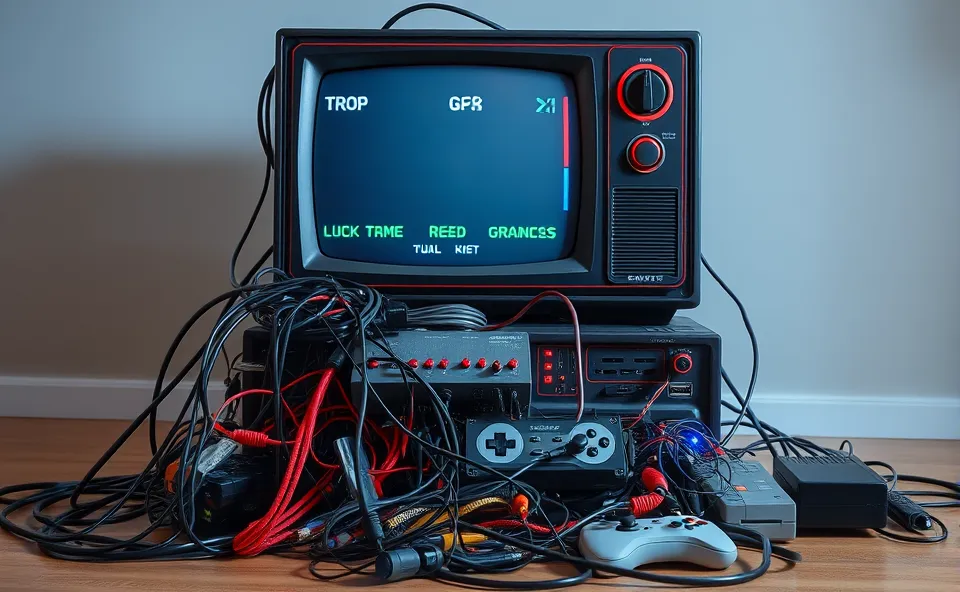
The Steam Machine arrived with a wave of excitement, but for many, the reality fell short of the dream. While the core idea was fantastic – playing your PC games on your TV with a controller – the execution proved to be a minefield of PC-like troubleshooting. Many users found themselves wrestling with the same issues they’d try to avoid by opting for a game console in the first place. Compatibility was a big hurdle. Not every game that ran perfectly on Windows would run smoothly on SteamOS, and sometimes performance was hit or miss. Getting controllers to work perfectly, managing game settings for optimal TV play, and even basic operating system updates could turn into a lengthy technical session. This PC-like troubleshooting experience was a stark contrast to the seamless plug-and-play nature of traditional console gaming. Instead of a simple, enjoyable user experience, many were left with a sense of frustration, feeling like they had bought a powerful PC that was reluctant to act like a simple game console. The promise of a streamlined entertainment system was often overshadowed by the familiar headaches of PC hardware and software quirks. It highlighted the significant challenge of delivering a console-like user experience when the underlying architecture is fundamentally PC-based.
What’s Next for the Living Room Gaming Frontier?
The Steam Machine’s journey, while not a runaway success, certainly left its mark. Its legacy isn’t about failure, but about the lessons learned. Valve has since shifted its focus, with the Steam Deck being a prime example of bringing PC gaming on the go in a more integrated way. The Steam Machine’s ambition to make PC gaming more accessible and console-like lives on in other forms. We see this in the rise of compact gaming PCs that are easier to set up in living rooms, and the increasing sophistication of game streaming services. These services aim to deliver high-end PC gaming experiences to a wider audience without requiring powerful local hardware. The challenges the Steam Machine faced in bridging the PC and console gap are still relevant. Developers and hardware manufacturers continue to explore how to offer the best of both worlds: the vast game libraries and customization of PC gaming with the simplicity and accessibility of console gaming. The future of gaming hardware will likely see more attempts to blend these experiences, perhaps learning from the Steam Machine’s stumbles to create a truly seamless living room PC gaming experience.
Frequently Asked Questions About the Steam Machine
What exactly was the Steam Machine?
The Steam Machine was a series of gaming computers designed by Valve and various hardware partners. The goal was to bring the vast library of PC games available on Steam to the living room, offering a game console-like experience with controller support and a streamlined interface called Big Picture Mode.
Why did the Steam Machine struggle to compete with traditional game consoles?
The main reason the Steam Machine struggled was its PC-like troubleshooting experience. Unlike the plug-and-play simplicity of traditional game consoles, users often encountered hardware and software issues, compatibility problems with games, and the need for manual configuration, which detracted from the intended user experience.
Did any games run exclusively on the Steam Machine?
No, the Steam Machine did not have exclusive games. Its primary advantage was intended to be playing the existing PC gaming library on a console-like device, rather than offering a unique set of titles.
What is the difference between a Steam Machine and a regular PC?
While built on PC architecture, the Steam Machine was specifically designed and marketed to run SteamOS and its Big Picture Mode for living room gaming. A regular PC offers more flexibility and is typically used for a wider range of tasks beyond gaming, often with a Windows operating system and requiring keyboard and mouse input.
What is the legacy of the Steam Machine for PC gaming?
The Steam Machine’s legacy lies in its ambitious attempt to merge PC gaming with console convenience. It highlighted the complexities of achieving this and provided valuable lessons that have influenced subsequent developments in gaming hardware, like the Steam Deck, and the growth of cloud gaming services aiming to simplify access to PC gaming.











