

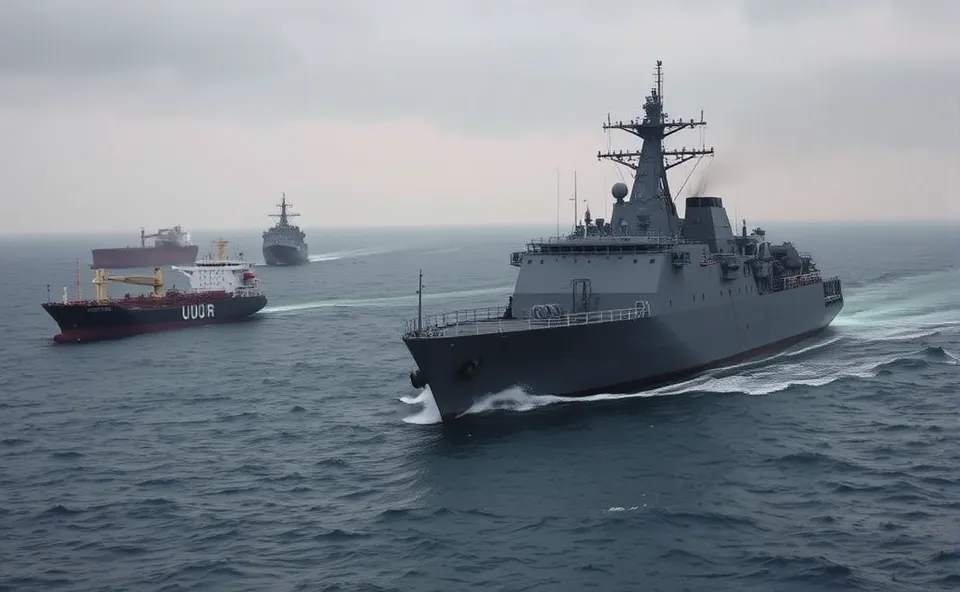
The World’s Most Critical Chokepoint Faces a New Reality
If you look at a map of global energy, one tiny strip of water stands out as the most important artery in the world. The Strait of Hormuz is essentially the neck of the global economy. When US strikes occur in the Middle East and the Iranian government responds by threatening or actually closing this waterway, the entire world feels a sudden, sharp intake of breath. This is not just a regional dispute between two powers. It is a fundamental threat to the flow of energy that powers everything from our cars to our digital infrastructure.
Right now, the situation is tense. When the Strait of Hormuz is blocked, oil tankers cannot leave the Persian Gulf. Given that such a massive percentage of the world’s daily oil production passes through this narrow passage, any interruption creates an instant panic. It is a geopolitical game of chicken where the stakes are not just regional stability, but the price of every gallon of gas and the cost of moving goods across the planet.
Why Everyone Is Watching This Narrow Strip of Water
You might be wondering why this specific location is generating so much chatter on news feeds and business forums right now. The answer comes down to the sudden spike in geopolitical tension following recent US strikes. When we see headlines about these military actions, the first thing analysts look at is the potential for retaliation.
People are searching for answers because we are living in a moment where global energy markets are already fragile. When Iran suggests that maritime security in the region could be compromised, it acts as a massive signal to traders. Markets hate uncertainty more than almost anything else. Even the threat of a closure is enough to send ripples through the financial world, as shipping companies, insurance firms, and energy giants all scramble to assess how much their costs are about to rise.
The Long History Behind the Current Flashpoint
To understand why this is happening now, we have to look at the history of the Middle East conflict. The Strait of Hormuz has been a strategic flashpoint for decades. It is the gatekeeper for the Gulf states, allowing their vast oil reserves to reach markets in Asia, Europe, and the Americas. Because the channel is so narrow, it is incredibly easy to disrupt. A few fast-attack boats or a misplaced mine can turn a global trade route into a dead end.
Past incidents have established a predictable pattern. Tensions rise, threats are issued, oil prices climb, and global powers intervene to ensure that the flow of commerce continues. However, the current situation feels distinct because of the direct nature of the recent US strikes. When military force is used openly, the diplomatic buffer that usually keeps the Strait of Hormuz open begins to thin. We are seeing a shift where the implicit rules of the game are being tested, and the region is bracing for a reality where traditional deterrence might not hold as firmly as it did in the past.
What This Means for the Global Economy
If you are a business owner or just a regular person tracking your monthly expenses, you should pay attention to how this develops. The economic impact of a closure is immediate and severe. Here is how the fallout usually ripples out into the real world:
- Surging Oil Prices: As soon as the market fears a supply shortage, the price of crude oil skyrockets. Since oil is a major cost factor for everything from manufacturing to transportation, the price of nearly every consumer good eventually follows.
- Shipping Insurance Premiums: Maritime security is a business, and insurance companies get nervous quickly. If vessels are at risk, insurance premiums for oil tankers and cargo ships spike, which adds an extra layer of cost to every shipment.
- Supply Chain Bottlenecks: When major shipping routes are blocked or even just restricted, companies have to find alternative, longer, and more expensive paths. This leads to delays that can break lean manufacturing schedules.
- Pressure on Technology and Energy Sectors: Tech companies rely on a stable global economy to sell hardware and services. Higher energy costs reduce the disposable income of consumers, which can dampen demand for new technology and luxury goods.
For the average person, this means that while you might not see the Strait of Hormuz on your daily commute, you will likely see the impact at the gas pump and in the rising costs of household items. It is a reminder of how interconnected we truly are.
Looking Ahead at a Changing Landscape
Predicting the future in the Middle East is a fool’s errand, but we can look at the logical progression of these events. If the situation continues to escalate, we will likely see a significant increase in naval patrols by international coalitions trying to guarantee safe passage. The goal for global powers will be to keep the energy markets from spiraling out of control, as a prolonged shutdown of the Strait of Hormuz would cause a global recession.
In the longer term, this creates a major incentive for countries to diversify their energy sources and supply chains. We are already seeing a push for more energy independence and a shift toward routes that do not rely on a single, vulnerable chokepoint. While the immediate focus is on managing the current conflict, the secondary effect will be a permanent shift in how countries think about maritime security and energy logistics. We are entering an era where energy is viewed not just as a commodity, but as a core pillar of national security that requires constant vigilance.
Common Questions About the Situation
How does the Strait of Hormuz impact global oil prices?
The Strait of Hormuz serves as the primary gateway for oil exports from the Gulf states. Because so much of the world’s daily supply passes through this narrow point, any threat to it creates anxiety in the energy market, leading to an immediate rise in oil prices due to fears of supply shortages.
What role does the US play in maintaining maritime security?
The US has a long-standing presence in the region and plays a key role in maritime security. Its naval forces work to ensure that shipping routes remain open and that the flow of international commerce is not disrupted by regional actors or military conflicts.
Why are recent US strikes causing such concern for shipping routes?
Recent US strikes have heightened geopolitical tension, leading to fears that Iran might retaliate by blocking or harassing vessels moving through the Strait of Hormuz. This potential for disruption makes shipping companies hesitant and causes insurance costs for tankers to increase significantly.
What are the economic consequences of a blocked Strait of Hormuz?
A blockage would trigger a sharp increase in global oil prices, which would increase inflation and raise the cost of shipping goods globally. This creates a difficult economic environment for businesses and consumers alike as supply chains face delays and higher overhead costs.
How does Middle East conflict influence the stability of global energy markets?
Energy markets are highly sensitive to Middle East conflict because a massive portion of the world’s energy reserves is concentrated there. When instability occurs, it creates uncertainty, and the markets respond by pricing in the risk, which often leads to higher volatility for investors and consumers.











