

A New Chapter for Red Sea Shipping
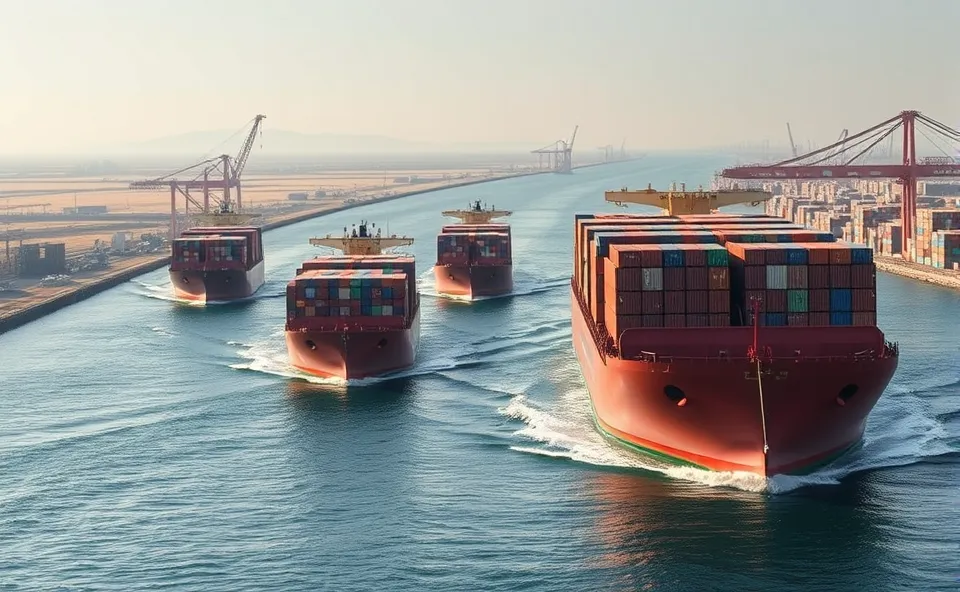
If you have been following the news lately, you might have heard that two of the biggest names in the business, Maersk and Hapag-Lloyd, have started moving some of their container ships back through the Suez Canal. For those who watch global trade, this is a big deal. For months, these massive vessels have been avoiding the area, choosing to take the much longer route around the southern tip of Africa instead. Now, as the maritime industry tries to find a balance between speed and safety, we are seeing a shift in how they navigate one of the world’s most important shipping routes.
This decision is not about everything going back to the way it was overnight. Instead, it is a calculated move to bring a specific service back to this crucial waterway. It shows that companies are constantly weighing the risks of the Red Sea against the immense pressure to keep goods moving for customers around the world. It is a story of logistics teams trying to manage a very complex puzzle while keeping their crews safe.
Why Everyone is Talking About These Routes
You might wonder why this shift is making headlines across business news channels. The answer is simple. The Suez Canal is essentially a shortcut that connects the Mediterranean Sea to the Red Sea, saving weeks of travel time. When companies stop using it, the global supply chain feels the pinch immediately. When news broke that Maersk and Hapag-Lloyd were testing the waters again, it caught everyone’s attention because it signaled a potential turning point.
People are searching for this information because it impacts everything from the price of retail goods to the delivery times for manufacturers. Businesses rely on these ships to arrive on schedule. When the biggest players in the industry change their sailing patterns, it sends a ripple effect through the entire global economy. Everyone from small business owners to major retailers is watching these updates closely to see if things will return to normal or if this new, longer reality is here to stay.
Looking Back at the Challenges
To understand why this is such a major development, we have to look at the recent past. For the better part of the last year, the security situation in the Red Sea became far too dangerous for standard commercial operations. To protect their crews and their expensive cargo, shipping lines collectively decided to divert their fleets away from the Suez Canal.
That choice led to massive delays. Ships had to sail thousands of miles further around the Cape of Good Hope. This added fuel costs, drained resources, and slowed down the flow of products. It was a classic example of logistics professionals being forced to prioritize safety above all else. For a while, the industry accepted these longer transit times as the new baseline, but the pressure to return to the faster Suez Canal route never really went away. The maritime industry has been waiting for the right moment and the right security conditions to resume operations in a way that feels responsible and manageable.
What This Means for Global Trade
So, what does this change actually do for us? First and foremost, it represents a glimmer of hope for a more efficient supply chain. Every ship that passes through the Suez Canal instead of taking the detour saves a significant amount of time. Faster transit times mean that inventories are replenished quicker, which can eventually lower costs for companies and, in theory, consumers.
However, the impact goes beyond just speed. It also affects maritime security coordination. The fact that these companies are comfortable enough to return indicates that there is better oversight and support in the region. It highlights how technology and real-time data play a massive role in logistics today. Shipping companies are not just looking at maps; they are using advanced intelligence to track risks and make decisions about where their ships go. It shows a level of maturity in how global trade is managed under pressure.
For businesses that depend on these shipping routes, this shift offers a bit more predictability. When you know your cargo is on a faster route, you can better plan your sales, your manufacturing schedules, and your warehouse inventory. It is a small step toward regaining the stability that the industry has been craving since the recent geopolitical tensions began.
The Road Ahead for Maritime Logistics
Looking at the future, it is unlikely that every ship will suddenly flood back into the Red Sea at once. The industry is moving with caution. We should expect to see a measured approach where shipping lines observe the security trends and adjust their plans accordingly. This is not a sprint back to business as usual; it is a careful, tactical restart.
Technology will likely play an even bigger role in the coming months. We may see more investment in satellite monitoring, better communication between merchant vessels and naval patrols, and smarter software that helps ships choose the safest times and paths to travel. The resilience of the global supply chain is being tested, and it is adapting. While we cannot predict exactly how regional security will evolve, the trend suggests that shipping lines are determined to utilize the Suez Canal whenever they believe it is safe to do so.
Ultimately, the goal is to make global trade more reliable. As we look forward, the focus will remain on balancing the need for speed with the fundamental duty to ensure that no sailors or ships are put in unnecessary danger. It is a delicate balance, but one that is being navigated by some of the most experienced logistics experts in the world.
Common Questions About Shipping Changes
Why is the Suez Canal considered so important for global trade?
The Suez Canal is a vital shortcut that links Europe and Asia. By passing through this canal, ships avoid the long journey around Africa, which saves significant time and fuel. This efficiency is the backbone of modern global trade.
What does it mean for Maersk and Hapag-Lloyd to resume sailings?
When major shipping lines like Maersk and Hapag-Lloyd resume sailings through the Suez Canal, it signals that they have assessed the security risks and determined that at least some of their services can operate safely in the region once again.
How does the current maritime security situation affect shipping routes?
Ongoing maritime security concerns forced many companies to divert ships away from the Red Sea and the Suez Canal. This shift increased transit times, raised fuel consumption, and forced the industry to rethink how it manages long-distance logistics.
Will the move to resume Suez Canal transit lower prices for consumers?
While moving back to the faster Suez Canal route helps reduce shipping times and fuel costs, it does not immediately lower consumer prices. These savings have to work their way through the supply chain, and companies must also factor in the added costs of security measures and insurance for these regions.
How are technology and data helping ships navigate these maritime challenges?
Logistics companies are relying more on real-time data and advanced maritime security intelligence to make informed decisions about their routes. By monitoring risks closely, they can navigate complex waters more safely and keep global trade moving as smoothly as possible.











