

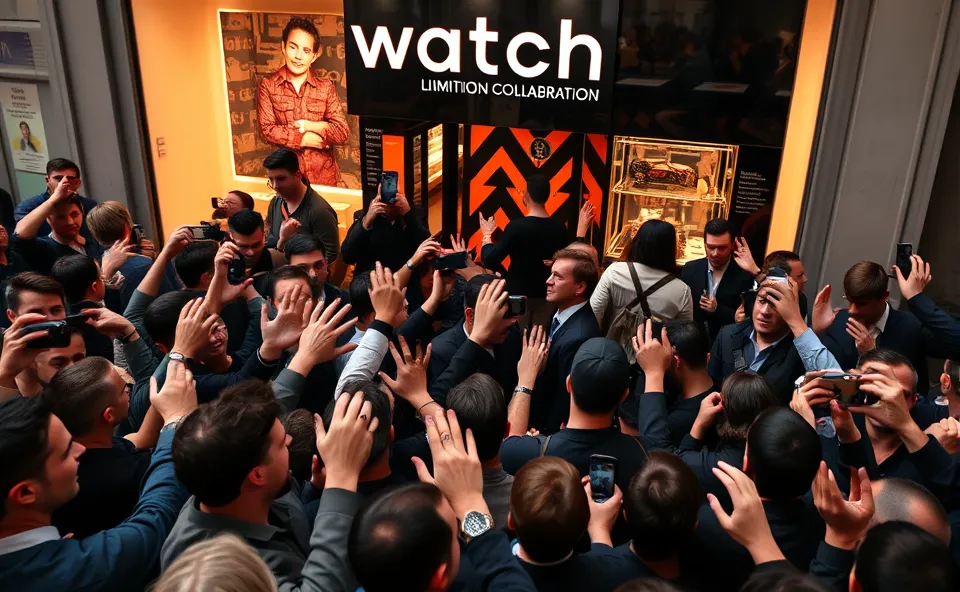
That Time Everyone Went Wild for a $260 Watch
Remember that crazy scene outside Swatch stores a while back? People were lining up for days, pushing and shoving, all for a watch that cost about as much as a decent pair of sneakers. This wasn’t just any watch; it was the Omega Swatch collaboration, nicknamed the MoonSwatch. It was a brilliant marketing idea in theory, bringing together the iconic design of the Omega Speedmaster Moonwatch with the accessible price point and fun style of Swatch. But in reality, the MoonSwatch launch was a masterclass in how not to manage massive consumer demand.
What actually happened was pure, unadulterated chaos. Swatch, known for its playful and affordable timepieces, teamed up with luxury giant Omega for a limited edition collection. They created twelve different bioceramic versions of the famous Moonwatch, each with a different color inspired by planets. The appeal was instant: getting that high fashion, instantly recognizable Omega look without the sky-high luxury price tag. When they finally dropped, the demand was unlike anything many expected, leading to store overflows, desperate online searches, and a whole lot of disappointment for those who missed out.
Why We’re Still Talking About the MoonSwatch Launch
The reason the MoonSwatch launch failure is still a hot topic, and why people are searching for terms like “Omega Swatch collaboration” and “watch launch chaos,” is because it’s a powerful case study. It highlights how even seemingly simple brand collaboration strategies can go spectacularly wrong if not handled with foresight. For anyone involved in consumer tech, retail, or luxury goods, the MoonSwatch launch serves as a stark reminder of the power of hype and the critical importance of managing it effectively. We’re talking about it now because the lessons learned from this predictable mess are incredibly valuable for any business planning a big product release, especially when dealing with limited edition watches and massive consumer demand.
A Peek Behind the Curtain: The Swatch x Omega Story
To truly get why the MoonSwatch launch felt so chaotic, we need a little background. Omega has long been a titan in the luxury watch market, famous for its association with space exploration, especially its Speedmaster, which was the first watch worn on the moon. Swatch, on the other hand, built its empire on making watches cool, accessible, and colorful, especially during the quartz crisis that threatened traditional watchmakers. They are masters of mass appeal and trendsetting. The idea of these two brands coming together was genius. Swatch gets a massive credibility boost and access to a new audience, while Omega gets to tap into a younger, wider market and remind everyone of its heritage at a fraction of the cost. It was supposed to be a win-win, a way to democratize a piece of watchmaking history.
The strategy was to create a buzz by releasing these collectible watches as a limited edition, initially sold only in Swatch stores. This created an immediate sense of exclusivity and urgency. The low price point of around $260 made the Omega Speedmaster design attainable for almost everyone, unlike the real deal which can cost thousands. This perfect storm of heritage, design, affordability, and scarcity is what fueled the unbelievable demand. The marketing missteps, however, weren’t about whether the product was desirable, but about underestimating the sheer volume of that desire and the resulting crowd control issues.
The Ripples of a Stumbled Launch
The impact of the MoonSwatch launch failure is multi-faceted. For consumers, it was a frustrating experience. Many who genuinely wanted the watch felt shut out due to the extreme scarcity and the chaotic distribution. It fueled the secondary market, with resellers marking up prices significantly, making the watch even less accessible than intended. This can leave a bitter taste for loyal fans who were hoping to get a piece of this unique collaboration at retail price.
For the brands involved, it was a mixed bag. The immense buzz undoubtedly generated incredible brand awareness for both Swatch and Omega. It proved that bridging the gap between luxury and mass market can be incredibly powerful. However, the uncontrolled chaos and the subsequent disappointment also risked damaging brand perception. If a brand cannot fulfill demand or manage its customers’ experience effectively, even a successful product can turn into a PR headache. It also highlighted significant supply chain problems and forecasting challenges that many companies face when attempting to scale limited edition products.
In the broader luxury watch market, the MoonSwatch demonstrated the potential for accessible luxury and the appeal of heritage brands collaborating with more mainstream players. It showed that there’s a huge appetite for iconic designs at a more democratic price point, opening up new avenues for innovation in brand collaboration strategy. The challenge now for other brands is to learn from the missteps: how to create hype without creating pandemonium.
Charting a Smarter Course Forward
Looking ahead, the MoonSwatch launch offers clear lessons for future brand collaborations. To prevent similar watch launch chaos, businesses need robust consumer demand management systems. This means more than just guessing how many people will want something; it involves sophisticated data analysis and scenario planning.
Here are some key strategies to avoid a repeat of the MoonSwatch’s unpredictable chaos:
- Phased Rollouts and Clearer Communication: Instead of a single, overwhelming drop, consider phased releases over time. Communicate availability and restock schedules transparently and consistently. This manages expectations and reduces the pressure cooker effect.
- Diversified Distribution Channels: Relying solely on physical stores for a high-demand item is a recipe for disaster. Expand distribution online with robust e-commerce platforms that can handle high traffic. Consider lotteries or pre-order systems to fairly allocate limited stock.
- Inventory Forecasting and Production Planning: Invest in better forecasting tools and be prepared to ramp up production if demand significantly outstrips initial estimates, especially for collaborations that tap into widespread nostalgia or desire for iconic designs. For highly anticipated collectible watches, clearly define “limited edition” and stick to it, or have a plan to scale.
- Enhanced Crowd Control and Security: For in-person events, proper planning with security personnel and crowd management experts is essential. This ensures customer safety and a more pleasant experience for those who do manage to get their hands on the product.
- Partnership Alignment: Ensure both partners in a collaboration have a shared vision and are equally prepared for the logistical and customer service challenges that a high-profile launch can bring. This includes aligning on marketing messages and managing expectations for both their customer bases.
The Omega Swatch collaboration, despite its chaotic launch, was a commercial success and a marketing phenomenon. However, the lessons learned about managing consumer demand, the pitfalls of underestimating hype, and the importance of a well-executed brand collaboration strategy are invaluable. The future of successful limited edition watches and high profile partnerships depends on learning from these moments.
Frequently Asked Questions About the MoonSwatch
What was the main problem with the MoonSwatch launch?
The primary issue with the MoonSwatch launch was the massive underestimation of consumer demand, leading to extreme scarcity, chaotic crowd control issues at Swatch stores, and widespread disappointment for many wanting to purchase the Omega Swatch collaboration.
Why did the Omega Swatch collaboration generate so much hype?
The Omega Swatch collaboration, or MoonSwatch, generated immense hype because it combined the iconic, desirable design of the luxury Omega Speedmaster Moonwatch with the affordable price point and playful accessibility of Swatch, creating an instant classic for collectors and watch enthusiasts.
What are the risks of a failed brand collaboration strategy like the MoonSwatch launch?
A failed brand collaboration strategy, as seen with the MoonSwatch launch chaos, can lead to negative customer experiences, damage brand reputation, fuel unethical resale markets, and highlight significant supply chain problems, ultimately detracting from the intended positive impact of the partnership.
How can businesses prevent similar marketing missteps during future product launches?
To prevent marketing missteps, businesses should focus on realistic consumer demand management, transparent communication about availability, diversified distribution channels, and robust inventory planning, especially when dealing with limited edition watches or highly anticipated collaborations.
What is the impact of the MoonSwatch launch on the luxury watch market?
The MoonSwatch launch demonstrated a significant appetite for more accessible luxury and iconic watch designs, suggesting a potential shift in the luxury watch market and highlighting the success of innovative brand collaboration strategies that bridge high-end appeal with wider accessibility.











