

The strange reality of speaking fewer words
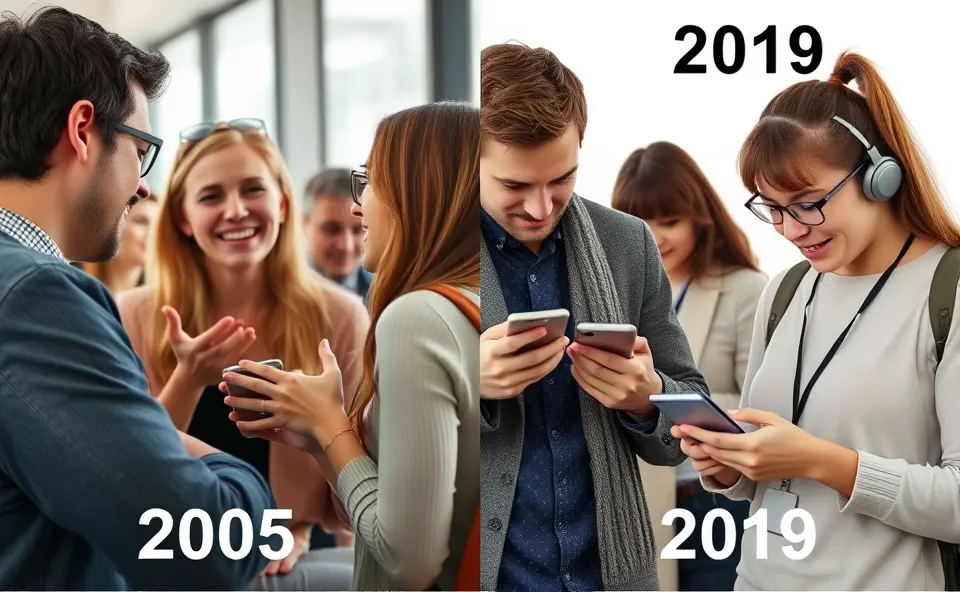
Have you ever noticed that your phone is full of messages but your day is strangely quiet? It turns out you are not imagining it. A university study recently shed light on a surprising trend that has been building for years. Between 2005 and 2019, there was a noticeable word count drop in the way people communicate. Essentially, we are talking less in the physical world than we used to.
This is not just about being shy or having a quiet day. The data shows a broader shift in how humans interact. We are spending more time in silence or using short bursts of text rather than engaging in long, flowing conversations. While we might feel like we are communicating more because our screens are always buzzing, the actual number of spoken words we produce has dipped. It is a quiet change that happened right under our noses while we were busy staring at our screens.
When we look at the numbers, the trend is clear. The decline in spoken words suggests that the way we share ideas and emotions is changing. Instead of a twenty minute phone call or a long chat over coffee, we now send a few emojis or a short text. We have traded the depth of a voice for the speed of a thumb. This shift represents a fundamental change in human behavior that started long before the world shut down for the pandemic.
Why everyone is talking about this now
You might wonder why a study covering the years up to 2019 is making waves today. The reason is simple. We are currently living through the aftermath of a global event that acted like a magnifying glass for this trend. The pandemic impact was massive. For two years, many of us stopped seeing people in person entirely. We moved our entire social lives into video calls and chat apps.
When the world opened back up, many people realized they had forgotten how to handle a natural, spontaneous conversation. The comfort of a mute button or the ability to edit a text message became a crutch. Now, people are noticing a communication decline in their real world interactions. We feel a strange friction when we try to talk for long periods. This is why the study is trending. It gives a name and a number to a feeling many of us have had since 2020.
People are searching for answers because they feel a gap in their social interaction. We are more connected than ever through technology, yet many feel a lingering sense of isolation. The realization that we are talking less is a wake up call. It makes us question if our digital habits have permanently altered our ability to connect with other human beings.
How we traded voices for screens
To understand how we got here, we have to look back at the world in 2005. Back then, smartphones were not yet a part of every pocket. If you wanted to talk to a friend, you called them. If you wanted to coordinate a plan, you spent time talking through the details. Digital communication existed, but it was a tool that supported spoken words rather than replacing them.
As the years passed, technology’s influence grew. The rise of the smartphone changed the physics of social interaction. We stopped calling and started texting. We stopped visiting and started liking photos. The convenience of asynchronous communication meant we no longer had to be present in the same moment as the other person. We could reply when we felt like it, and we could keep our responses brief.
This shift created a feedback loop. As we used digital tools more, we became more comfortable with reduced speech. The effort required for a real conversation started to feel higher than the effort required to send a text. Over time, our daily conversations became shorter and more functional. We stopped talking for the sake of talking and started communicating only to exchange specific pieces of information. The art of the long, rambling chat began to disappear.
The real cost of a quiet world
This decline in spoken words is not just a curious statistic. It has a real impact on how we function as people and as professionals. Human connection is built on more than just the words we choose. It is built on tone, rhythm, pauses, and the emotion in a voice. When we rely on text, we lose all of that nuance.
In the business world, this communication decline can lead to serious misunderstandings. A short email can be read as rude or cold, whereas the same words spoken with a smile would feel supportive. When teams stop talking and start only messaging, they lose the spontaneous brainstorming that happens during a casual chat. The loss of spoken words often means a loss of creativity and empathy.
On a personal level, talking less can weaken our emotional bonds. There is a specific kind of intimacy that comes from hearing someone’s voice crack or laughing together in real time. Digital communication provides the illusion of companionship without the actual emotional work of a conversation. This can lead to a feeling of loneliness even when we have thousands of online followers.
- Loss of Nuance: Text cannot convey the irony or warmth of a human voice.
- Reduced Empathy: It is easier to be dismissive of someone when you are not looking at them.
- Professional Friction: Short messages often lead to misinterpretations in the workplace.
- Social Anxiety: The less we practice speaking, the more intimidating it feels to do so.
Where do we go from here
Looking forward, it is unlikely that we will go back to the way things were in 2005. Technology is too integrated into our lives. However, we are likely to see a push toward more intentional communication. As people become aware of the word count drop, there will be a growing value placed on voice and face to face interaction.
We may see a rise in audio based communication that is not a formal call. Voice notes are already a sign of this. They allow for the convenience of a text but keep the emotion of the spoken word. This is a middle ground that helps fight the trend of talking less while still fitting into a fast paced digital lifestyle.
In the professional world, companies may start prioritizing soft skills and verbal communication training. They will realize that the efficiency of a chat app is not a substitute for the depth of a meeting. The future will likely be a balancing act. We will continue to use digital tools for logistics, but we will have to make a conscious effort to carve out space for real, spoken conversations to maintain our human connection.
Common questions about our communication habits
Why are we talking less in the modern age?
The primary reason is the rise of digital communication. Tools like texting and social media allow us to exchange information without needing to speak. This convenience has led to a general communication decline where we prefer the speed of typing over the effort of talking.
What was the main finding of the university study?
The university study found a significant word count drop in spoken words between 2005 and 2019. It highlighted that people are engaging in fewer verbal interactions as technology takes a larger role in our daily lives.
How did the pandemic impact our ability to speak?
The pandemic impact forced a sudden shift to remote interaction. This reinforced the habit of using screens and created a gap in our social interaction skills. Many people found it harder to return to natural, long form conversations after years of limited face to face contact.
Does technology’s influence always hurt human connection?
Not necessarily, but it changes it. While technology allows us to stay in touch with people far away, it often replaces deep spoken interactions with shallow digital ones. The goal is to use technology as a bridge to real conversation rather than a replacement for it.
How can I improve my daily conversations?
You can fight the trend of reduced speech by making small changes. Try calling a friend instead of texting them or suggesting a coffee date instead of a group chat. Prioritizing spoken words helps rebuild the empathy and connection that digital tools often strip away.











