

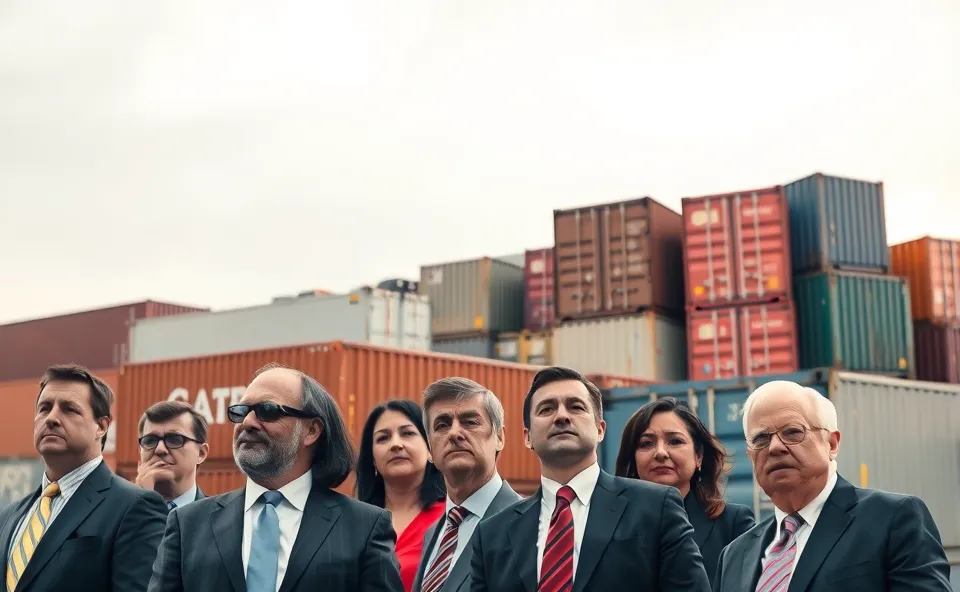
CEOs See Tariffs Staying Put, A New Economic Reality
Get ready, because it looks like tariffs might be here to stay. Forget thinking of them as a temporary blip. A recent report from PwC is telling us that CEOs around the world are starting to see import taxes not just as a passing phase, but as a permanent fixture in how business gets done. This isn’t just about the Trump administration anymore; it’s a shift in how leaders are thinking about the global trade landscape for the long haul.
Why Everyone’s Talking About Tariffs Right Now
So, why is this suddenly a hot topic? It’s simple: CEOs are making big decisions about where to invest their money and how to run their companies. When they start saying things like, “We expect tariffs to be a lasting fixture,” it sends a powerful signal. This isn’t just chatter; it’s influencing their business outlook. People are searching for this because they want to understand what this means for their jobs, their companies, and the economy. It’s about trying to get a handle on a changing world, especially when it comes to how goods move across borders and the economic policy that governs it all.
A Quick Look Back: The Rise of Import Taxes
To really get why this is a big deal, we need a little bit of background. For a while, tariffs felt like a tool used sparingly, often in specific trade disputes. But things really ramped up under the Trump administration. We saw significant import taxes imposed on goods from various countries, sparking a lot of debate and uncertainty. Companies had to scramble to adjust their pricing, find new suppliers, and rethink their supply chain strategies. This period of heightened tariff activity created a ripple effect throughout the global economy, making businesses much more aware of how quickly economic policy can change and impact their operations.
What This Means for Your Business and the Market
Okay, so CEOs expect tariffs to stick around. What does that really mean on the ground? For businesses, especially those involved in global trade, this means a fundamental shift in corporate strategy. It’s no longer about waiting for tariffs to disappear. Instead, companies are likely to build them into their long-term planning. This could involve:
- Diversifying Supply Chains: Relying on a single country for critical components becomes riskier. Businesses might spread their production and sourcing across multiple regions to mitigate the impact of potential new tariffs or retaliatory measures.
- Revising Pricing Models: The cost of imported goods has gone up. Companies will need to figure out how to absorb these costs, pass them on to consumers, or find ways to reduce other expenses to maintain profit margins.
- Investing in Domestic Production: Some businesses might look more closely at bringing manufacturing back home or to countries with more stable trade agreements to avoid import taxes altogether.
- Focusing on Innovation: With increased costs and potential trade barriers, companies might push harder for technological solutions to improve efficiency, automate processes, and develop new products that are less reliant on imports.
For the broader market, this expectation of long-term tariffs could lead to a more fragmented global trade system. It might slow down the pace of globalization as countries and companies prioritize resilience and national economic interests over pure efficiency. This could also affect technology adoption, as businesses look for tools and platforms that can help them navigate this complex and unpredictable trade environment.
Looking Ahead: A World of Enduring Tariffs
If CEOs are genuinely convinced that tariffs are a permanent part of the economic landscape, then what comes next? We’re likely to see a continued emphasis on building resilience into business operations. This isn’t about wild speculation; it’s about logical next steps. Companies that are agile and can adapt quickly to changing trade policies will be better positioned for success. Expect to see more strategic partnerships, greater investment in risk management, and a closer eye on geopolitical developments that could trigger new import taxes. The focus will be on creating robust supply chains that can withstand external shocks and adapting corporate strategy to a world where trade barriers are a constant consideration, not an anomaly. This proactive approach is essential for maintaining a stable business outlook in the face of evolving global trade dynamics.
Frequently Asked Questions About Long-Term Tariffs
What does it mean for CEOs if tariffs are a lasting fixture?
It means they need to integrate the potential for import taxes into their long-term corporate strategy. They can’t just plan for short-term adjustments; they have to build resilience and flexibility into their business models, supply chains, and financial forecasts, assuming tariffs will remain a part of the global trade environment, potentially beyond the Trump administration.
How might long-term tariffs affect a company’s supply chain?
Companies might look to diversify their suppliers across different countries to avoid overreliance on any single region that could face new tariffs. They could also consider nearshoring or reshoring production to reduce exposure to import taxes and create more stable supply chains.
Are tariffs expected to impact the global economy significantly over time?
Yes, the expectation of long-term tariffs suggests a potential shift in global trade patterns. It could lead to higher costs for consumers, changes in manufacturing locations, and a greater focus on national economic policies that might sometimes conflict with free trade principles.
What actions should businesses take if they believe tariffs are the new normal?
Businesses should conduct thorough risk assessments, explore alternative sourcing options, analyze the cost implications of import taxes on their products, and potentially invest in technologies that enhance supply chain visibility and efficiency. Developing a proactive and adaptable corporate strategy is key.
How does the PwC report’s findings on tariffs influence the overall business outlook?
The PwC report signals that CEOs are adjusting their expectations about future economic policy. This shift in perception can influence investment decisions, hiring plans, and overall business confidence, leading to a more cautious or strategic approach to global expansion and trade partnerships.











