

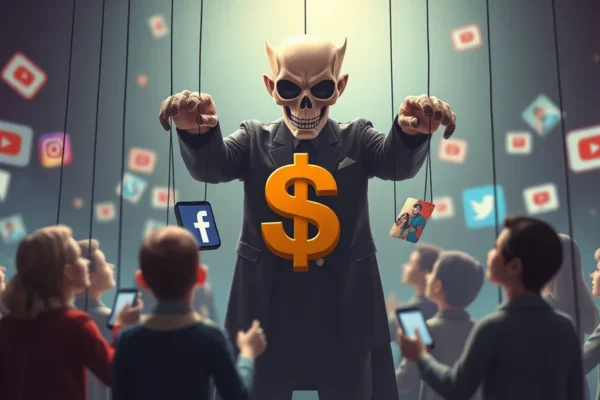
Understanding the Impact of Fake Influencers on Digital Advertising
Have you ever scrolled through social media and seen an advertisement that looked like it was posted by a regular person sharing their experience with a product? This is a common advertising tactic called influencer marketing. It’s when companies partner with individuals who have a following on social media to promote their products. For example, imagine a popular travel blogger sharing photos of their trip and mentioning the hotel they stayed at, or a fitness enthusiast recommending a new piece of workout gear. This can be very effective because it feels more genuine and trustworthy than a traditional advertisement.
However, a recent report by Fortune has brought a concerning trend to light regarding the e-commerce advertising practices of a company called Temu. The report suggests that Temu spent a significant amount, potentially up to $962 million, on advertising on Meta platforms (like Facebook and Instagram). What’s particularly worrying is the claim that a substantial portion of this ad spend may have funded numerous fake influencers. These aren’t real people sharing genuine opinions; they are often created or manipulated to appear as if they are. Understanding this phenomenon is crucial because it affects how we see online information and how our money is spent in the digital economy.
How Temu’s Ad Spend and Fake Influencers Work
The mechanism behind this issue involves the massive reach of social media platforms and the way digital advertising is bought and sold. Companies like Temu want to reach as many potential customers as possible. They do this by placing ads on platforms such as Meta’s. The Fortune report, citing findings by researcher Vendula Prokůpková from the Oxford Internet Institute (ORL researcher), highlights that a significant portion of Temu’s advertising budget on Meta platforms appears to have gone towards promoting content that utilizes fake influencers.
Think of it like this: imagine a large store wants to get the word out about a new product. Instead of just putting up flyers, they decide to pay many people to pretend they love the product and tell their friends about it. But in this case, the “friends” these fake influencers are talking to are potentially millions of social media users. These fake influencers might be AI-generated profiles, accounts that have been bought and repurposed, or even real people paid to create content without disclosing it’s an advertisement. The goal is to create a widespread illusion of popularity and positive user experience, driving unsuspecting consumers to make purchases. According to the ORL researcher’s findings, a significant percentage of these seemingly authentic user-generated content ads on Meta were linked to these fabricated or misleading personas, creating a landscape of social media manipulation.
Why This Matters for Your Money and the Market
This trend has several significant implications for individuals and the broader economy. For consumers, it means that the trustworthiness of online reviews and recommendations can be compromised. When you see a glowing review or a product demonstration on social media, you might assume it’s from a real person with genuine experience. However, if that influencer is fake or paid without disclosure, your decision to buy could be based on misinformation. This can lead to disappointment with products and a waste of your hard-earned money. It erodes the trust that is essential for healthy consumer behavior.
On a larger economic scale, this practice can distort competition. Companies that engage in such tactics may gain an unfair advantage over competitors who rely on genuine marketing and product quality. It can also lead to a misallocation of resources. Billions of dollars spent on fake influencer campaigns, like the reported Temu ad spend, could otherwise be invested in product development, better customer service, or more legitimate marketing channels. This type of digital marketing fraud can contribute to a less efficient market, potentially influencing inflation if companies are less incentivized to offer truly competitive prices or quality. Ultimately, when advertising becomes less transparent, it can make it harder for honest businesses to thrive and for consumers to make informed choices.
The Evolution of Influencer Marketing and Current Concerns
Influencer marketing itself isn’t new; it has roots in traditional celebrity endorsements. However, its evolution with the rise of social media has been rapid. Initially, it was about individuals with genuine followings sharing their passions. As its effectiveness became clear, businesses began investing more. The current interest in this topic is fueled by increasing reports and research, like the Fortune report on Temu, that expose the darker side of this industry. The scale of spending by companies like Temu on Meta platforms, combined with the sophisticated methods used to create the illusion of widespread popularity, has raised alarms among researchers and regulators.
The prevalence of these fake influencers is a growing concern. While specific numbers can be difficult to pin down precisely due to the clandestine nature of such operations, research indicates it’s a widespread issue. For example, academic studies and investigative reports have repeatedly highlighted the existence of bot farms, fake follower accounts, and undisclosed paid promotions across various social media platforms. The sheer volume of advertising, estimated in the hundreds of millions for a single company like Temu on Meta alone, amplifies the potential for such practices to have a significant impact on consumer perception and market dynamics.
Thinking About Temu’s Ad Spend and Fake Influencers in Your Financial Life
When you encounter online advertising, especially on social media, it’s wise to maintain a healthy level of skepticism. The reported Temu ad spend and the use of fake influencers serve as a reminder that not all online content is organic or unbiased. A common misconception is that if an ad looks like a user post, it’s automatically trustworthy. This is not always the case. It’s important to consider the source, look for disclosures about sponsored content, and cross-reference information with other reviews or sources before making a purchasing decision.
An actionable insight is to look beyond the immediate post. Does the influencer have a long history of genuine engagement? Are their reviews consistent across different platforms? For your financial decisions, always do your own research. Don’t solely rely on a single advertisement or influencer recommendation, even if it appears authentic. The vastness of the digital marketing landscape means that vigilance is key.
Connections to Other Financial Concepts
Understanding the issue of fake influencers and Temu’s ad spend is interconnected with several other financial concepts. Digital marketing fraud is the overarching category that encompasses these deceptive practices. It’s a sub-sector of a broader concept of consumer protection, where regulations and ethical guidelines aim to ensure fair practices in the marketplace. The significant Temu ad spend on Meta platforms also touches upon the economics of advertising markets and the role of e-commerce advertising in driving sales. When these advertising efforts involve deception, they can undermine the principles of market efficiency and information asymmetry, where one party has more information than another, leading to potentially unfair outcomes.
Frequently Asked Questions about Fake Influencers and Online Ads
What is the main concern about Temu’s reported ad spend on Meta ads?
The primary concern is that a significant portion of Temu’s large advertising budget on Meta platforms may have been used to promote content featuring fake influencers, leading to social media manipulation rather than genuine product promotion.
How do fake influencers contribute to social media manipulation?
Fake influencers create a false impression of product popularity and genuine endorsement. This manipulation can mislead consumers into believing a product is widely loved or effective, influencing their purchasing decisions based on fabricated endorsements.
Can individuals identify fake influencers easily?
It can be challenging, as fake influencers are often designed to appear authentic. However, looking for inconsistencies in content, sudden spikes in engagement, or a lack of genuine interaction in comments can sometimes be indicators.
What are the risks associated with e-commerce advertising that uses fake influencers?
The risks include consumers being defrauded into buying products based on false pretenses, financial loss for consumers, and unfair competition for businesses that operate ethically.
How does influencer marketing, even when legitimate, impact consumer behavior?
Legitimate influencer marketing leverages trust and relatability. Consumers may be more inclined to try a product recommended by an influencer they follow and trust, similar to how word-of-mouth recommendations work.
What is the role of Meta platforms in this issue?
Meta platforms, as the providers of advertising space, are where these ads are displayed. While they have policies against fake accounts and misleading content, the sheer volume of activity makes enforcement a continuous challenge.
This is educational content, not financial advice. Financial situations vary greatly from person to person. Consult with a qualified financial professional for advice tailored to your specific circumstances.











