

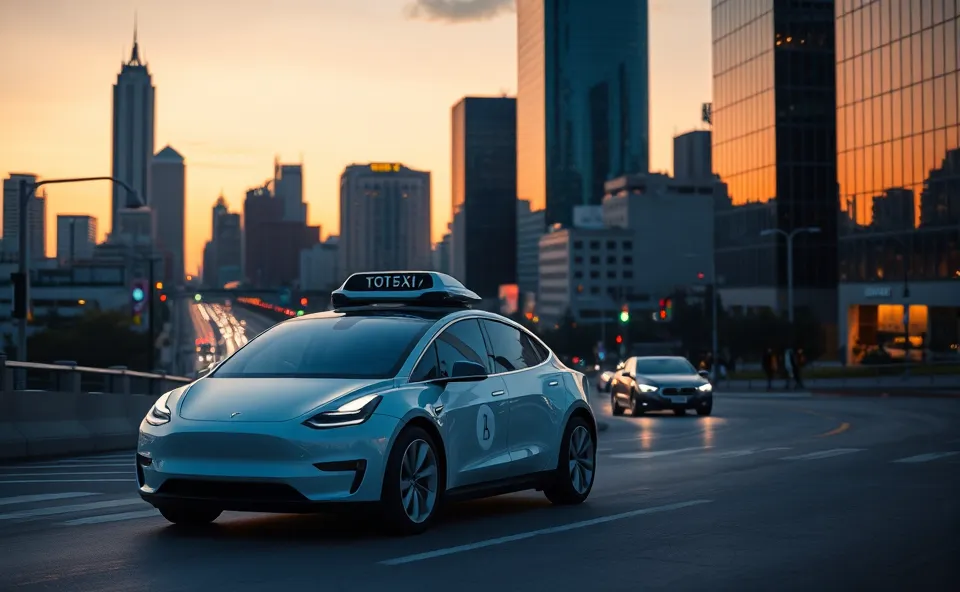
Tesla’s Robotaxis Hit the Streets of Dallas and Houston
Big news is buzzing out of Texas! Tesla is rolling out its highly anticipated Tesla robotaxi service in Dallas and Houston. This marks a significant expansion for their autonomous driving venture, following its initial debut in Austin. What’s really turning heads is that these vehicles are now operating without human safety drivers at the wheel, truly embracing the self-driving cars dream.
Why Everyone’s Talking About Tesla’s Robotaxi Right Now
The reason this is trending hotter than a Texas summer day is the progression from pilot programs to a more public-facing service, especially with the removal of safety drivers. This step signifies a major leap forward in autonomous driving technology. For years, we’ve heard about the potential of AI mobility, and seeing these driverless service vehicles navigate real-world Texas roads, even in limited areas, feels like a peek into the future of transport. It’s the kind of bold move that sparks curiosity and excitement about what’s next for ride-sharing and electric vehicles.
From Austin’s Roads to Texas Expansion
To really get what’s happening now, let’s rewind a bit. Tesla’s journey towards a robotaxi service isn’t new. They’ve been working on their Full Self-Driving software for a long time. The initial testing grounds for their driverless service, operating without human intervention, were in Austin, Texas. This allowed Tesla to gather crucial data and refine the technology in a real-world environment. Think of it as a highly advanced beta test. The expansion into Dallas and Houston means more cities are getting a firsthand experience of this cutting-edge technology. This Texas expansion is a clear signal of Tesla’s commitment to proving the viability of their autonomous driving capabilities beyond just a single location.
What This Means for You and the Future
So, what’s the big deal? For starters, it could fundamentally change how we get around. Imagine summoning a car that drives itself to your doorstep and takes you to your destination without a human driver. This is the core promise of the Tesla robotaxi. For consumers, it hints at a future with potentially more convenient and accessible ride-sharing options. Businesses, especially those in the logistics and transportation sectors, are watching closely. The success of such a driverless service could reshape urban mobility, reduce reliance on traditional human-driven taxis and ride-sharing services, and even influence how cities are designed.
Technologically, this is a monumental achievement. It showcases the power of advanced AI mobility and sophisticated sensor systems working in harmony. The ability for a vehicle to navigate complex urban environments, make decisions in real-time, and prioritize safety without human oversight is a testament to years of research and development. This isn’t just about electric vehicles; it’s about the intelligent software and hardware that makes them capable of this level of autonomy. The data gathered from these Texas operations will be invaluable for further improving the self-driving cars technology, making it safer and more efficient for wider adoption.
For the ride-sharing market, this presents a new paradigm. If Tesla’s robotaxi service proves reliable and scalable, it could disrupt existing players by offering a potentially lower-cost, more consistent service. It also raises questions about the future of employment for professional drivers. The implications stretch far, influencing everything from insurance models to urban planning. The future of transport is undeniably being shaped by these advancements, and Texas is becoming a key proving ground.
Looking Ahead: What’s Next for Tesla’s Robotaxi
What does the road ahead look like for Tesla’s robotaxi service? The immediate next steps will likely involve continued data collection and refinement in Dallas and Houston. Tesla will be closely monitoring performance, safety metrics, and user feedback. We can expect gradual expansion within these cities, potentially increasing the service area and operating hours as confidence in the system grows. Further cities across Texas and eventually other states could follow suit.
The company’s long-term vision involves a fleet of autonomous vehicles available for public use, significantly impacting the ride-sharing landscape and potentially transforming personal transportation. As regulatory frameworks evolve and public acceptance grows, the widespread adoption of Tesla robotaxis could become a reality. It’s a phased approach, building trust and demonstrating capability with each step. The ongoing development of their autonomous driving technology, coupled with the expansion of their electric vehicles infrastructure, positions them to be a major player in the future of mobility.
Got Questions About the Tesla Robotaxi?
What exactly is a Tesla robotaxi?
A Tesla robotaxi is an electric vehicle made by Tesla that is designed to operate as a self-driving car. Essentially, it’s a vehicle that can transport passengers from one place to another without a human driver, using advanced autonomous driving technology and AI mobility.
How does the Tesla robotaxi service work without safety drivers?
The Tesla robotaxi operates using Tesla’s Full Self-Driving software, which leverages sophisticated sensors, cameras, and artificial intelligence to perceive its surroundings, navigate roads, and make driving decisions. The removal of safety drivers signifies that Tesla believes the system is advanced enough to handle driving tasks safely on its own in specific operational domains.
Is the Tesla robotaxi service available to everyone?
Currently, the Tesla robotaxi service is being rolled out in phases and is generally accessible to select users or in limited operational areas within cities like Austin, Dallas, and Houston. It’s part of a gradual expansion to gather data and refine the service before a broader public launch.
What are the benefits of a Tesla robotaxi compared to traditional ride-sharing?
Potential benefits of a Tesla robotaxi service include increased convenience, potentially lower costs due to the absence of driver wages, and greater accessibility for individuals who cannot drive. It also represents a significant step towards the future of transport and driverless service.
What are the implications of this Texas expansion for autonomous driving?
The Texas expansion, particularly the move to driverless operation in Dallas and Houston, is a significant milestone for autonomous driving. It demonstrates progress in real-world applications for self-driving cars and shows Tesla’s commitment to pushing the boundaries of AI mobility and electric vehicles in major markets.











