

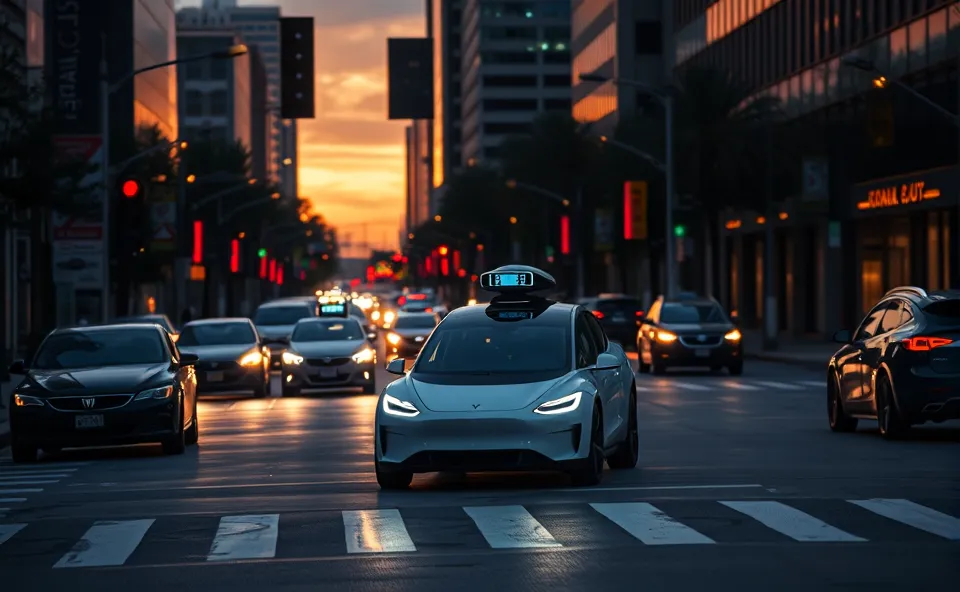
Tesla’s Driverless Taxis Hit the Texas Highways
So, you’ve probably heard the buzz. Tesla’s taking its self-driving car ambitions to the next level, and this time, the spotlight is on Texas. They’re gearing up to launch their robotaxi service in Dallas and Houston, which is a pretty big deal in the world of autonomous vehicles. Imagine hopping into a car, telling it where to go, and just sitting back as it navigates the streets all by itself. That’s the dream Tesla is chasing, and Texas is the latest playground for this exciting experiment. It’s not just about a new ride-sharing option; it’s a significant step towards making fully driverless transportation a reality for more people.
Why All the Excitement Now?
The reason people are suddenly talking so much about the Tesla robotaxi in Texas is because of this planned expansion. While Tesla has been testing its autonomous driving technology for years, and even offering a beta version of its full self-driving software to some customers, this move to major cities like Dallas and Houston signals a real push towards a commercial service. It’s no longer just a concept or a limited test. This expansion means more eyes on the technology, more data being gathered, and a clearer path towards Tesla offering a driverless taxi service to the general public. It’s like watching a movie go from a trailer to the big screen; the anticipation is real. This is the moment where we start to see the future of transportation taking shape in our everyday lives.
A Look Back: The Long Road to Autonomous Rides
Tesla’s journey towards a robotaxi service has been a marathon, not a sprint. For years, Elon Musk has been talking about the company’s “robotaxi network” and the potential for their electric vehicles to become fully autonomous. They’ve been steadily developing and refining their “Full Self-Driving” software, which is essentially the brain behind these self-driving cars. This isn’t your standard cruise control. It’s designed to handle complex driving scenarios, from navigating city streets to merging onto highways. Initially, this technology was available as an advanced driver-assistance system, requiring drivers to remain attentive. However, the goal has always been to reach a point where the car can drive itself without human intervention. They’ve been gathering vast amounts of real-world data from their fleet of cars on the road, constantly learning and improving the algorithms. This Texas expansion is a culmination of years of research, development, and increasingly ambitious testing of their EV technology. It’s a testament to their persistent pursuit of making autonomous vehicles a mainstream reality, building on their foundation in electric cars.
What This Means for You and the Future
The implications of Tesla’s robotaxi expansion are pretty far-reaching. For everyday users, especially in busy metropolitan areas like Dallas and Houston, it could mean more convenient and potentially more affordable transportation options. Think about the ability to summon a driverless taxi at any time, without the need to find parking or worry about traffic. It could reshape how people commute, travel for leisure, and even how businesses operate. For the broader market, this is a significant signal. It validates the concept of autonomous vehicles and encourages further investment and innovation in self-driving cars and mobility services. We might see other companies accelerate their own plans, leading to a more competitive and rapidly evolving landscape.
This also has a big impact on the EV technology itself. For Tesla, success here means proving the robustness and reliability of their self-driving systems, which could boost sales of their electric vehicles overall. It pushes the boundaries of what’s possible with artificial intelligence and sensor technology. Imagine a future where traffic flow is optimized, accidents are reduced, and mobility is accessible to more people, including those who cannot drive. This Texas expansion is a crucial step in testing and validating these concepts in real-world, large-scale urban environments, bringing the future of transportation closer to home.
Where Do We Go From Here?
Looking ahead, the Tesla robotaxi service in Dallas and Houston will undoubtedly be watched closely. Success in these major Texan cities could pave the way for even broader rollouts across the United States and eventually, the world. We can expect Tesla to continue refining its autonomous driving software, learning from every mile driven by these driverless taxis. This iterative process is key to building public trust and ensuring safety. It’s also likely to spark further competition and collaboration within the autonomous vehicle industry. As the technology matures and regulatory frameworks adapt, we might see a significant shift in how we think about personal transportation, moving towards integrated mobility services that seamlessly blend ride-sharing, autonomous driving, and advanced EV technology. The journey is far from over, but the road ahead looks incredibly exciting for the future of transportation.
Frequently Asked Questions About Tesla’s Robotaxi
What exactly is a Tesla robotaxi service?
A Tesla robotaxi service is a system where Tesla electric vehicles equipped with advanced self-driving technology operate as driverless taxis. Essentially, you would be able to summon a car through an app, and it would pick you up and take you to your destination without a human driver behind the wheel.
How does the Tesla robotaxi technology work?
The Tesla robotaxi relies on sophisticated AI software, often referred to as Full Self-Driving or FSD, combined with a suite of cameras and sensors on the vehicle. This system perceives the environment, makes driving decisions, and controls the car’s acceleration, braking, and steering to navigate roads autonomously.
When can people in Dallas and Houston expect to use the Tesla robotaxi?
Tesla is preparing to expand its service to Dallas and Houston, indicating an upcoming launch. While specific dates can vary and depend on regulatory approvals and further testing, this expansion signifies a move towards making the service available to a wider audience in these Texas cities.
What are the benefits of a robotaxi compared to traditional ride-sharing?
Robotaxis, like those Tesla plans to deploy, aim to offer benefits such as 24/7 availability, potentially lower costs due to the absence of driver wages, and a consistent riding experience. They also represent a significant advancement in autonomous vehicles and the future of transportation.
Is the Tesla robotaxi service fully driverless everywhere?
While Tesla’s goal is full autonomy, the rollout and availability of truly driverless operation can depend on the specific software version, location, and regulatory environment. The company is continuously working to enhance its autonomous vehicles and expand the capabilities of its self-driving cars.











