

“`html
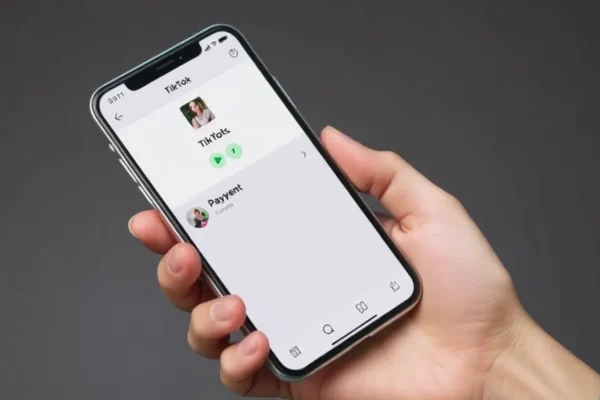
TikTok, the social media giant known for its short-form videos, is quietly exploring a significant expansion of its financial capabilities. The company is investigating the integration of peer-to-peer payments directly within its direct messaging (DMs) feature. This move builds upon its existing TikTok Pay offering, which has seen successful deployment in Southeast Asia, hinting at a broader ambition to embed financial transactions into the social experience. This exploration could fundamentally alter how users interact and transact within the digital realm.
TikTok’s New Frontier Social Payments
The innovation at hand is TikTok’s potential to enable users to send and receive money directly from their chat conversations. Imagine finishing a video call with a friend and instantly sending them your share of the dinner bill, all within the same app. This development addresses the growing demand for seamless, integrated digital payment solutions. It seeks to bridge the gap between social interaction and immediate financial exchange, making the process more fluid and less cumbersome than switching between multiple applications.
This exploration is significant now due to the increasing convergence of social media platforms and financial technology (fintech). As users spend more time online, the desire to manage everyday transactions without leaving their preferred digital environments grows. TikTok’s move aligns with this trend, aiming to capitalize on its massive user base and their engagement within the app. The initial groundwork for this functionality has been laid with the introduction of TikTok Pay in several Southeast Asian markets, demonstrating the company’s commitment to this direction. According to reports from publications like TechCrunch and The Information, TikTok has been actively researching and testing these payment features.
How TikTok Payments Could Work in DMs
At its core, integrating peer-to-peer payments into TikTok DMs would leverage existing infrastructure, much like sending a text message. Think of it like adding a digital wallet to your instant messaging app. When you want to send money, you would tap a specific icon within the chat interface, similar to attaching a photo or emoji. This would then prompt you to enter the amount and select a recipient, who is already a contact within your TikTok conversation.
The underlying mechanism would likely involve connecting a user’s bank account or a stored value within their TikTok account to facilitate these transfers. This process would require robust security measures to protect sensitive financial information. While the specifics are still under wraps, it’s plausible that TikTok is building on its existing TikTok Pay infrastructure. This system, already functional in countries like Indonesia and the Philippines, allows users to link their payment methods for in-app purchases and potentially for P2P transfers. The technology aims to make digital payments as intuitive as sharing a meme, reducing friction and encouraging more frequent, smaller transactions.
Where We See Social Payments Today
The concept of social payments is not entirely new, and several platforms have already ventured into this space with varying degrees of success. WhatsApp, for instance, has been piloting peer-to-peer payments in markets like India and Brazil, allowing users to send money directly through their chat interface, often powered by local payment processors. Other social platforms, like WeChat in China, have fully integrated comprehensive payment systems that go far beyond simple P2P transfers, encompassing everything from utility bills to e-commerce purchases.
In Southeast Asia, TikTok Pay is currently used for in-app purchases and creator support, a step towards broader financial integration. While the peer-to-peer payment feature within DMs is largely in the exploration and testing phase for TikTok globally, its rollout in specific regions with TikTok Pay suggests a phased approach. The maturity level for this specific DM integration is likely in early development or private beta testing, with a wider rollout dependent on regulatory approvals and further testing.
The Growing Competitive Landscape
TikTok isn’t the only social media giant eyeing the lucrative world of social payments. As mentioned, WhatsApp has been a significant player, particularly in emerging markets, by integrating payment functionalities into its messaging app. Other platforms are also exploring avenues, although often through partnerships rather than direct in-house development. For example, Meta (Facebook’s parent company) has a long-standing interest in digital payments, though its broader ambitions with Meta Pay and its previous cryptocurrency ventures have faced considerable hurdles.
TikTok’s approach might differentiate itself by leveraging its unique algorithm and content-driven ecosystem. While competitors might focus on the messaging aspect, TikTok’s potential lies in seamlessly integrating payments with creator monetization, live shopping, and other interactive features. The advantage for TikTok could be its immense Gen Z and Millennial user base, who are generally more receptive to new digital payment methods. However, it faces stiff competition from established digital payment providers and super-apps that already offer a wide array of financial services.
Reshaping Industries and User Behavior
The widespread adoption of peer-to-peer payments within social media DMs could profoundly reshape various industries and user behaviors. For individuals, it promises greater convenience, simplifying small, everyday transactions like splitting bills, paying back friends, or tipping creators. This could foster a more cashless society, making micro-transactions more accessible and less of a hassle.
Economically, this could unlock new revenue streams for social media platforms and create a more vibrant creator economy. Creators could receive tips or payments for content directly from their audience within a conversation, bypassing third-party platforms that often take a cut. This could also significantly boost e-commerce integration, as seen with live shopping features. Businesses might see a surge in impulse buys facilitated by seamless in-app transactions. Socially, while convenience is a major benefit, there are also concerns about increased impulse spending, potential for scams, and the privacy of financial data shared within social networks. The long-term impact will likely see a further blurring of lines between social interaction and commerce.
Navigating the Hurdles Ahead
Despite the exciting potential, TikTok faces significant limitations and challenges in bringing peer-to-peer payments to its DMs. A primary hurdle is regulatory compliance. Financial transactions are heavily regulated, and navigating these complex legal frameworks across different countries can be a lengthy and costly process. Ensuring compliance with anti-money laundering (AML) and know-your-customer (KYC) regulations is paramount.
Technically, building a secure and reliable payment system that can handle millions of simultaneous transactions requires substantial investment and expertise. Security breaches or system failures could have catastrophic consequences for user trust and financial well-being. User adoption is another critical factor. Even with the feature, users might be hesitant to link their bank accounts to a platform primarily known for entertainment, especially given past privacy concerns associated with social media. Furthermore, competition from established financial institutions and super-apps means TikTok needs to offer a compelling and differentiated user experience to gain traction.
The Road Ahead for TikTok Payments
The future trajectory for TikTok’s peer-to-peer payment exploration appears to be a gradual expansion, mirroring its approach with TikTok Pay. We can expect to see continued testing in select markets, likely those where TikTok Pay has already gained a foothold and where regulatory environments are more accommodating. Key developments to watch will include partnerships with local financial institutions and payment processors, as these are often crucial for navigating regulatory landscapes and ensuring smooth transaction processing.
The company may also look to integrate these payment features more deeply with its creator tools and e-commerce initiatives, creating a more holistic financial ecosystem within the app. While a global rollout for P2P payments in DMs might be several years away, it’s a logical next step in TikTok’s ambition to become more than just a content platform. Expert consensus suggests that the trend towards integrating financial services into social platforms is irreversible, and TikTok is strategically positioning itself to be a major player.
Frequently Asked Questions
What exactly is TikTok exploring with its DMs?
TikTok is exploring the possibility of allowing users to send and receive money directly from their direct message conversations, essentially enabling peer-to-peer payments within the app’s chat feature.
Is this feature available now, or is it just potential?
This capability is largely in the exploration and testing phase. While TikTok Pay exists in some Southeast Asian markets for other functions, the direct P2P payment feature within DMs is not yet widely available to global users.
How is this different from existing payment apps?
The key difference is integration. Unlike needing to open a separate payment app, TikTok aims to embed financial transactions seamlessly within the social interactions already happening on its platform, making it more convenient.
Who are TikTok’s main competitors in social media payments?
Competitors include WhatsApp, which has integrated payments in some regions, and super-apps like WeChat in China, which offer comprehensive financial services alongside social features. Meta also has ongoing digital payment initiatives.
What are the biggest challenges for TikTok in rolling out these features?
Major challenges include navigating complex financial regulations across different countries, ensuring robust security for user data and funds, and convincing users to trust the platform with their financial information.
When can we expect TikTok peer-to-peer payments in DMs to be widely available?
A definitive timeline is unclear, but given the regulatory complexities and testing required, widespread global availability is likely at least a few years away, with phased rollouts beginning in specific markets.
“`











