

Unlocking Value: What’s the Buzz About Tokenizing Real-World Assets?
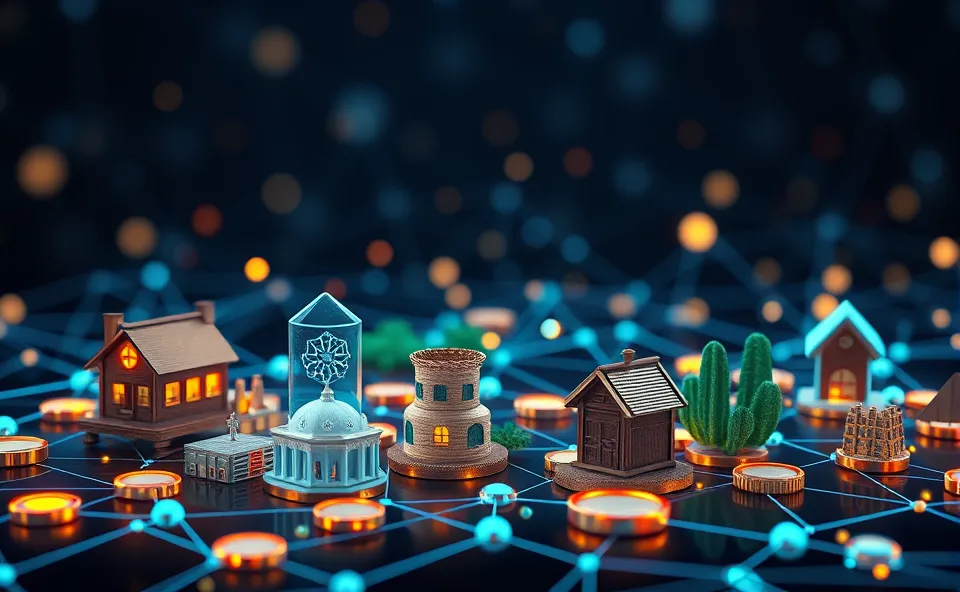
You’ve probably heard the whispers, or maybe even the excited chatter, about something called tokenization of real-world assets. It sounds a bit technical, right? But at its heart, it’s a pretty straightforward idea that could change how we think about owning and trading everything from a piece of art to a building, or even a share in a company. Think of it as taking something tangible or an existing financial instrument and giving it a digital twin on a blockchain.
This digital twin, or token, represents ownership or a claim on that real-world asset. Instead of holding a physical deed or a paper stock certificate, you hold a digital token. This token can then be bought, sold, or even divided into smaller pieces, making it much easier and more accessible to invest in things that were once out of reach for many. We’re talking about making the ownership of valuable things more fluid and more inclusive.
Why Is Everyone Talking About RWA Tokenization Now?
The recent surge in interest around tokenization, especially regarding real-world assets, isn’t just a fleeting trend. It’s fueled by a few key factors. Firstly, we’re seeing a maturing of blockchain technology. What once was seen as experimental is now proving its potential for security, transparency, and efficiency. This growing confidence is making institutions and investors look at blockchain not just for cryptocurrencies, but for the underlying technology’s power to revolutionize traditional finance.
Secondly, the push for greater financial inclusion and liquidity is a major driver. Many traditional assets are illiquid, meaning they’re hard to sell quickly without a significant price drop. Tokenization offers a way to unlock this trapped value. Imagine selling just a small fraction of a valuable commercial property instead of needing to find a buyer for the entire thing. This ability to fractionalize assets opens up new investment opportunities for a wider range of people and makes it easier for existing owners to raise capital.
Finally, the potential for enhanced efficiency and reduced costs in financial transactions is a massive draw. Dealing with traditional asset transfers can be slow, expensive, and involve a lot of intermediaries. RWA tokenization, leveraging blockchain technology, promises to streamline these processes, potentially making them faster, cheaper, and more transparent for everyone involved.
A Look Back: The Road to Digital Ownership
To truly grasp the significance of tokenization of real-world assets, it helps to understand where we came from. For decades, owning assets has meant possessing physical documents or relying on centralized record-keeping systems. Think of deeds for houses, share certificates for stocks, or even ownership papers for cars.
The advent of the internet brought us digital information, but true digital ownership of valuable assets remained elusive. We could have digital copies, but proving ownership and transferring it securely and reliably outside of a trusted central authority was a challenge. Enter blockchain technology. Initially known for cryptocurrencies like Bitcoin, blockchain’s core principles of decentralization, immutability, and transparency provided the perfect foundation for a new way to represent and manage ownership.
This is where digital assets started to take a more sophisticated turn. Beyond just cryptocurrencies, the concept of security tokens emerged. These are digital tokens that represent ownership in a real-world asset and are subject to securities regulations. Tokenization of real-world assets is the broader application of this principle, extending the benefits of blockchain to a vast array of tangible and intangible holdings.
The Ripple Effect: What Tokenized Real-World Assets Mean
The implications of tokenizing real-world assets are far-reaching and exciting. For individuals, it means unprecedented access to investment opportunities. No longer do you need millions to invest in a commercial building or a private equity fund. With asset fractionalization, you can buy a small, tokenized piece of these assets, diversifying your portfolio with investments that were previously inaccessible. This democratization of investment could redefine who participates in wealth creation.
For businesses, RWA tokenization offers enhanced liquidity for their assets and streamlined capital raising. Instead of being tied up in illiquid holdings, businesses can tokenize them, allowing for easier trading and unlocking capital. Furthermore, the administrative overhead associated with managing ownership records, transfers, and compliance can be significantly reduced, leading to operational efficiencies and cost savings.
Technologically, this is a significant step forward for blockchain technology’s integration into mainstream finance. It demonstrates the versatility of blockchain beyond cryptocurrencies, proving its capability to handle complex financial instruments and real-world collateral. This paves the way for greater innovation within DeFi decentralized finance, potentially creating more robust and integrated financial ecosystems.
In terms of markets, we could see the emergence of entirely new marketplaces for previously illiquid assets. Imagine a global, 24/7 market where you can trade fractions of real estate, art, or intellectual property with the same ease as trading stocks today. This increased liquidity and accessibility could lead to more efficient price discovery and broader market participation.
What’s Next? The Future Landscape of Tokenized Assets
Looking ahead, the trajectory for tokenization of real-world assets appears robust. As regulatory frameworks continue to adapt and provide clarity, we can expect to see a significant increase in the issuance and trading of tokenized assets. This will likely involve more sophisticated financial products being tokenized, moving beyond simple representations of ownership to more complex derivatives and securitized assets.
The integration of tokenized real-world assets with existing financial infrastructure will be a key development. We’ll likely see more bridges built between traditional finance and the burgeoning DeFi ecosystem, allowing for seamless interaction between tokenized assets and traditional financial services. This could lead to hybrid financial products that combine the benefits of both worlds.
Furthermore, advancements in blockchain technology itself will continue to play a crucial role. Expect improvements in scalability, security, and interoperability to support the growing volume and complexity of tokenized assets. The focus will be on creating user-friendly platforms and ensuring robust investor protection, making the digital ownership experience as smooth and secure as possible.
Ultimately, the future impact of RWA tokenization points towards a more efficient, accessible, and inclusive global financial system. It’s about breaking down barriers, unlocking hidden value, and redefining what it means to own and invest in the world around us.
Frequently Asked Questions About Tokenization
What exactly is tokenization of real-world assets?
Tokenization of real-world assets involves creating a digital representation of ownership or rights to an asset, like real estate or art, on a blockchain. This digital token, often called a security token, acts as a verifiable proof of ownership that can be traded digitally.
How does blockchain technology enable RWA tokenization?
Blockchain technology provides the secure, transparent, and immutable ledger needed to record and manage ownership of tokenized real-world assets. Its decentralized nature ensures that records are tamper-proof and accessible, facilitating trust and efficiency in digital asset transactions.
What are the main benefits of tokenized real-world assets?
The key benefits include increased liquidity for traditionally illiquid assets, enhanced asset fractionalization allowing for smaller investment amounts, greater accessibility for investors, improved transparency, and potential for reduced transaction costs and faster settlement times.
What challenges need to be addressed for widespread tokenization of real-world assets?
Challenges include regulatory uncertainty and the need for clear legal frameworks, ensuring robust cybersecurity to protect digital assets, developing standardized protocols for interoperability between different blockchains, and educating investors about digital ownership and the associated risks.
What does the future hold for investment opportunities in tokenized real-world assets?
The future holds significant potential for broader investment opportunities as more diverse real-world assets become tokenized. This could lead to new ways to diversify portfolios, access previously exclusive investment classes, and participate in innovative financial products through tokenized real-world assets.











