

Toyota Recall Sparks Dashboard Worries
A Glitch on the Dashboard
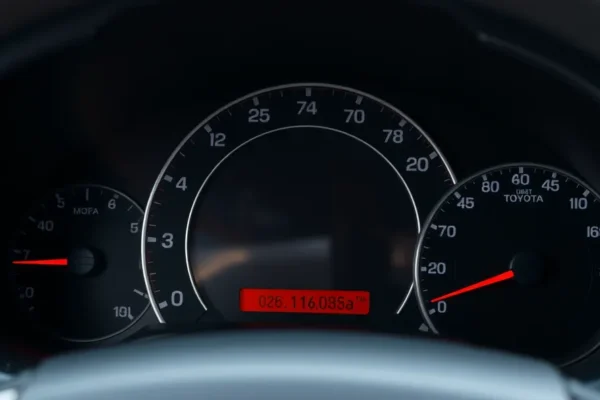
Toyota is in the spotlight again, this time for a significant recall affecting nearly half a million vehicles in the US. The issue centers around a problem with the instrument cluster display. Essentially, the digital screens that show you your speed, fuel level, and other crucial driving information can go blank. Imagine driving along and suddenly all those vital signs disappear. That’s the heart of the problem. This isn’t a minor cosmetic fix; it’s about ensuring drivers have the information they need to operate their vehicles safely. The recall covers a range of popular Toyota models, making it a widespread concern for many owners. It’s the kind of situation that reminds us how reliant we are on the technology in our cars, and how even a small software glitch can have big consequences.
Why All the Buzz Now?
You might be wondering why this Toyota recall is making waves right now. The answer is simple: visibility and potential safety concerns. When an automotive defect like a dashboard display problem is identified, especially one that could affect how a driver monitors their speed or fuel, it quickly gains attention. The National Highway Traffic Safety Administration or NHTSA often gets involved, and when a recall is announced, it’s meant to protect consumers. People are searching for information about this instrument cluster recall because they own these vehicles, or are considering buying one, and they want to know if their car is affected and what steps they need to take. It’s a natural reaction to want clarity and reassurance, especially when it comes to vehicle safety. The widespread nature of this Toyota display problem also contributes to the heightened interest.
The Story Behind the Screen
To truly understand this Toyota recall, it helps to look at the background. Modern cars are incredibly complex, packed with computers and software that control everything from the engine to the infotainment system. The instrument cluster, or dashboard display, is no exception. It’s a sophisticated piece of technology that presents information to the driver. In this particular case, the issue seems to stem from a software glitch. This isn’t an old problem; it’s an issue that has emerged as vehicle technology has advanced. The recall is part of the ongoing process of identifying and addressing such automotive defects to ensure that the complex systems in our cars are functioning as intended. Toyota, like all major automakers, has established procedures for dealing with these situations, often involving the NHTSA and owner notification to manage the repair process.
What This Means for You and the Road Ahead
So, what’s the real impact of this widespread Toyota recall? For the owners of the affected vehicles, it means a trip to the dealership for a repair. The good news is that recalls are generally handled at no cost to the owner. Toyota will be notifying owners directly, providing them with details on how to get their vehicle fixed. The repair itself typically involves a software update to correct the glitch that causes the instrument cluster display to go blank.
Beyond the immediate inconvenience for owners, this recall highlights a few broader points. It underscores the ever-increasing reliance on software in vehicles. As cars become more like computers on wheels, the potential for software related issues grows. This makes rigorous testing and robust update mechanisms crucial for automotive manufacturers. From a market perspective, while a recall of this size can cause a temporary dip in consumer confidence for the brand, a swift and effective response can mitigate long-term damage. Ultimately, prioritizing vehicle safety and transparency through recalls is a sign of responsible corporate behavior. It reinforces the importance of the NHTSA’s role in ensuring that automotive defects are addressed before they lead to serious accidents.
Looking Ahead: What’s Next for Dashboards?
The future of vehicle technology, particularly concerning displays and software, is constantly evolving. This Toyota recall serves as a reminder that even sophisticated systems can encounter unexpected issues. For Toyota and other automakers, the focus will likely remain on enhancing software reliability and strengthening their diagnostic and update capabilities. We can expect continued investment in advanced testing protocols to catch potential automotive defects before vehicles reach consumers.
For consumers, the key takeaway is to stay informed about recalls related to any vehicle they own or are considering. Understanding the process of owner notification and how repairs are handled is empowering. As vehicle displays become more integrated into the driving experience, providing richer information and functionality, the importance of their consistent and reliable operation will only increase. This incident might prompt further scrutiny of software dependencies in automotive design and a push for even more resilient systems.
Your Questions Answered About the Toyota Recall
What is the primary reason for the recent Toyota recall?
The main reason for this Toyota recall is an issue with the instrument cluster display in certain models. A software glitch can cause the display, which shows important driving information like speed and fuel level, to go blank.
Which Toyota models are affected by this instrument cluster recall?
The recall affects a significant number of Toyota models sold in the US. While the exact list can be extensive, common models that might be included in such a widespread recall often span sedans, SUVs, and potentially trucks. Owners should always check with Toyota directly or the NHTSA website for the most precise information regarding their specific vehicle.
What should owners do if their Toyota has this display problem?
If you own an affected Toyota and are experiencing this dashboard display problem, you should expect to receive an official owner notification from Toyota. This notification will provide instructions on how to schedule a free repair at an authorized Toyota dealership. The repair typically involves a software update to fix the automotive defect.
How does the NHTSA play a role in this vehicle recall?
The NHTSA is the government agency responsible for vehicle safety in the US. They oversee recalls to ensure that manufacturers address safety defects promptly. The NHTSA often works with companies like Toyota to investigate potential issues and to ensure that recall notices are properly distributed to owners and that the necessary repairs are made.
Is the fix for this Toyota display problem complicated or costly for owners?
No, the fix for this Toyota display problem is generally not complicated or costly for owners. The repair usually involves a software update, which is a routine procedure for dealerships. Toyota covers all costs associated with the recall repair, so owners will not have to pay for the software correction or the labor involved.











