

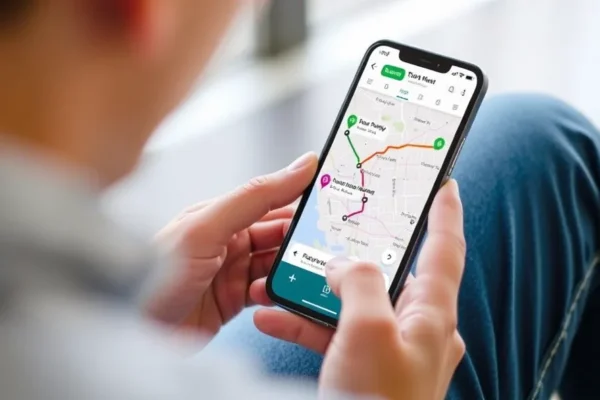
This guide will teach you how to effectively track your international money transfers, ensuring you know exactly where your funds are and when they will arrive. You’ll gain confidence in managing global money movement, understand the common methods for send money abroad tracking, and learn how to resolve potential issues. This skill is invaluable for anyone sending or receiving money internationally, offering peace of mind and control over your financial transactions.
What You’ll Accomplish
By the end of this guide, you will be equipped to confidently track the status of any international money transfer you initiate or receive. You’ll understand the typical timelines for different remittance methods and know how to access tracking information provided by money remittance services and banks. This knowledge empowers you to answer questions like “how to check money transfer” status, “currency transfer status,” and “overseas payment tracking” for yourself, eliminating uncertainty about your global money movement.
Before You Start
To effectively track your international money transfer, you’ll need a few things ready. This process is generally beginner-friendly, but some basic familiarity with online services will be helpful. Realistically, gathering information and performing the initial tracking steps can take anywhere from 5 to 20 minutes per transfer, depending on the provider and the complexity of the transaction. If you have multiple transfers to track, allocate more time.
- Essential Information: Have your transaction reference number (also called a tracking number, control number, or MTCN for MoneyGram), the sender’s and recipient’s names, the amount sent, and the date of the transfer readily available.
- Access to Online Accounts: You’ll need access to the internet and, if applicable, the online portal or app of the service you used to send the money.
- Device: A computer, tablet, or smartphone with internet access is necessary.
- Patience: Sometimes tracking systems can be slow or slightly delayed, so a bit of patience is helpful.
Preparation Steps
Before you dive into tracking, ensure you have all the necessary details and access. This setup phase is crucial for a smooth tracking experience.
- Locate Your Transaction Details: Find the receipt or confirmation email you received when you sent or were supposed to receive the money. This document will contain the vital transaction reference number. Without this number, tracking is nearly impossible.
- Identify Your Transfer Method: Know which service or bank you used to send the money (e.g., Wise, Western Union, PayPal, your bank’s wire transfer service). This will determine where you need to go to track it.
- Log In to Your Account (If Applicable): If you used an online money transfer service and have an account, ensure you can log in. This often provides the most direct access to your transaction history and tracking.
- Check Your Email: Many services send a confirmation email with a tracking link or instructions. Review your inbox and spam folders for any such communications.
Step-by-Step Instructions for Tracking
Follow these steps to track your international money transfer.
Section A: Using the Provider’s Online Tracking Tool
Most money remittance services and many banks offer online tracking tools. This is the most common and direct method to check your currency transfer status.
- Step 1: Go to the Provider’s Website or App. Navigate to the official website of the service you used (e.g., westernunion.com, wise.com, paypal.com). If you prefer, open the dedicated mobile app on your smartphone.
Why this step matters: Using the official platform ensures you are accessing legitimate tracking information and not a fraudulent site.
- Step 2: Find the “Track Transfer” or “Check Status” Option. Look for a prominent button or link on the homepage, often in the header or footer, labeled something like “Track a Transfer,” “Check Status,” or “Money Remittance Tracking.”
Why this step matters: This directs you to the specific tool designed for monitoring your global money movement.
Visual Reference: The button might look like a magnifying glass icon or simply text. For example, on Western Union’s site, you’ll typically see a “Track a Transfer” option in the main navigation.
- Step 3: Enter Your Tracking Information. You will be prompted to enter your transaction reference number. Some systems may also ask for the recipient’s name or your name as the sender for verification.
Why this step matters: This unique number acts as your key to unlocking the specific details of your wire transfer status.
Example: For Western Union, this is often called the MTCN (Money Transfer Control Number) and is typically a 10-digit number.
- Step 4: Click “Track” or “Submit.” Once you’ve entered the required details, click the button to initiate the search.
Why this step matters: This tells the system to search its database for your transaction.
- Step 5: Review the Transfer Status. The system will display the current status of your international money transfer. This could range from “In Progress,” “Sent,” “Received,” or “Delivered.” You might also see details like the date and time it was sent, the date and time it was received, and the exchange rate used.
Why this step matters: This is the core of “how to check money transfer.” It confirms your funds are moving as expected.
Confirmation: You should see a clear indication of your transfer’s progress. If it says “Delivered” and the recipient hasn’t received it, that’s your first clue something is amiss.
Section B: Tracking Via Bank Wire Transfers
If you used a traditional bank wire transfer for overseas payment tracking, the process is slightly different.
- Step 1: Contact Your Bank. Call your bank’s customer service line or visit a local branch.
Why this step matters: Banks often have less user-friendly online tracking for international wires compared to specialized remittance services.
- Step 2: Provide Transaction Details. Have your wire transfer reference number (often called a SWIFT confirmation number or transaction ID), the date of the transfer, the amount, and the recipient’s bank details ready.
Why this step matters: This information helps the bank locate your specific global money movement within their system.
- Step 3: Inquire About the Wire Transfer Status. Ask the bank representative to check the status of your international wire. They can often see if the wire has been sent, is in transit, or has arrived at the beneficiary bank.
Why this step matters: This is the bank’s way of providing you with the currency transfer status.
Common Mistakes & How to Avoid Them
Tracking your international money transfer is usually straightforward, but a few common pitfalls can cause frustration.
- Mistake: Entering the Wrong Tracking Number. This is the most frequent error. Even a single digit or letter out of place will lead to an error message or incorrect information.
How to Avoid: Double-check the number carefully against your receipt or confirmation email. Copy and paste it if possible. If you’re unsure, re-download or re-check the original document.
- Mistake: Using an Expired or Incorrect Tracking Link. Some email confirmations include a direct link to track your transfer. If this link is old or your browser has cached outdated information, it might not work.
How to Avoid: Always try to use the provider’s main tracking tool on their website or app by manually entering the tracking number. This ensures you’re always getting live data.
- Mistake: Expecting Instant Updates. International money transfers involve multiple banks and systems, especially for wire transfers. Tracking information might not update in real-time.
How to Avoid: Understand that there can be delays of several hours, or even a business day, between the system showing a status change and it appearing on the tracking page. Check again later if you don’t see an immediate update.
- Mistake: Tracking with the Wrong Provider. If you used a service like Wise and try to track it on PayPal’s system, it won’t work.
How to Avoid: Always refer back to your confirmation or receipt to identify the exact provider used for the send money abroad tracking.
Tips, Tricks & Optimization
Here are some ways to make your money remittance tracking experience smoother and more efficient.
- Save the Tracking Link/Number Immediately: As soon as you complete the transfer, save the tracking number in a safe place. Some providers allow you to save a direct link to your transfer’s status page.
- Understand Typical Transfer Times: Different services have different average transfer times. Knowing this beforehand (e.g., Wise is often 1-2 days, traditional banks might be 2-5 days for wire transfers) helps you gauge if your transfer is actually delayed or just within normal processing times.
- Enable Notifications: Many money transfer apps and websites offer email or SMS notifications for status updates. Turn these on to be automatically informed when your transfer progresses or is completed. This is a great way to stay on top of your global money movement without constantly checking.
- Use a Currency Converter Tool: If you’re tracking a transfer that involves currency exchange, use a reliable online currency converter to verify the exchange rate you were quoted against the current market rate. This helps ensure you received a fair deal.
Variations & Alternative Approaches
While online tracking tools are the primary method, there are other ways to keep tabs on your international money transfer.
- Alternative 1: Via the Recipient. The simplest way, if possible, is to ask the recipient to confirm when they receive the funds. This is a direct confirmation of arrival, although it doesn’t tell you the exact status in transit. This is useful if you’re less concerned about the intermediate steps and more about the final delivery of your overseas payment tracking.
- Alternative 2: Customer Support Chatbots. Many services have AI-powered chatbots on their websites. While they can’t always provide detailed status updates for specific transfers, they can often direct you to the right tracking page or answer general questions about how to check money transfer status.
- Alternative 3: Phone Support. For complex issues or when online tools fail, contacting the customer support team directly via phone remains a reliable, albeit sometimes time-consuming, method for getting detailed information on your wire transfer status.
Troubleshooting Common Issues
Sometimes, tracking your money transfer doesn’t go as smoothly as planned. Here’s how to handle common problems.
- Issue: Tracking Number Not Found or Invalid.
Possible Cause: You’ve entered the number incorrectly, or the system hasn’t processed the transfer yet.
Solution: Double-check the number for typos. Wait an hour or two and try again. If it still doesn’t work, contact the provider’s customer support.
- Issue: Status Says “Delivered” but Recipient Hasn’t Received Funds.
Possible Cause: There might be a delay at the recipient’s bank, an issue with the recipient’s account, or the funds are pending reconciliation.
Solution: First, have the recipient check their bank statement carefully, including pending transactions. Then, ask the recipient’s bank if they are holding any incoming funds. If unresolved, contact your transfer provider with the tracking details.
- Issue: Tracking Page Shows an Error Message.
Possible Cause: Technical glitch, server issues, or an outdated browser.
Solution: Refresh your browser, clear your browser’s cache and cookies, and try accessing the tracking page again. If the problem persists, try a different web browser or device.
- Issue: Transfer is Stuck in “Processing” for an unusually long time.
Possible Cause: Potential regulatory checks, missing information, or high transaction volumes.
Solution: Check your email for any requests for additional information from the transfer service. If none, contact customer support to inquire about the hold-up. For bank wire transfers, this might require contacting both your bank and the recipient’s bank.
When to Seek Professional Help: If you’ve exhausted all troubleshooting steps, the transfer is significantly overdue, or you suspect fraud, do not hesitate to contact the transfer provider’s dedicated fraud or dispute resolution department. For complex international wire transfers involving large sums, consulting with a financial advisor or legal professional might be necessary.
Next Steps & Building on This Skill
Once you’ve mastered tracking individual transfers, you can enhance your financial management.
- Set Up Alerts: For frequent international senders, explore setting up automatic alerts for all your transfers.
- Compare Services: Use your tracking experience to compare the speed and reliability of different money remittance services. This helps you choose the best option for future global money movement.
- Learn About Exchange Rates: Understand how exchange rates impact your transfers and learn strategies to get the best rates.
- Explore Advanced Features: Some platforms offer features like scheduled transfers or recurring payments. Learning these can save you time and effort.
Frequently Asked Questions
- How long does it take to track an international money transfer?
Once you have your tracking number, using an online tool usually takes 1-5 minutes. If you need to contact customer support, it could take longer depending on wait times.
- Can I track a money transfer on my phone?
Yes, most money remittance services have mobile apps or mobile-friendly websites that allow for easy send money abroad tracking on your smartphone.
- What happens if I mess up the tracking number?
If the tracking number is incorrect, the system will usually return an error message stating that the transfer cannot be found. Always double-check the number for accuracy.
- Is it safe to track my money transfer online?
Yes, as long as you use the official website or app of the money transfer provider. Avoid clicking on suspicious links in emails or entering your details on unfamiliar websites.
- How do I track a wire transfer status if I don’t have a tracking number?
Contact your bank directly. They can usually locate the wire transfer using other details like the date, amount, sender, and recipient information.
- How do I know if my overseas payment tracking is accurate?
The tracking status from the official provider’s tool is generally accurate. However, discrepancies can occur due to system delays. Always compare the status with confirmation from the recipient if possible.











