

Understanding Geopolitical Shifts and Economic Stability
In today’s interconnected world, what happens on the global stage often has ripple effects that touch our everyday financial lives. One key concept to grasp is how geopolitical decisions, like changes in international military alliances and deployments, can influence economic stability. Think of the global economy like a complex but interconnected network of pipes. If one section of the pipes faces a disruption, like a sudden closure or a redirection of flow, it can affect the water pressure and availability in other parts of the system. Similarly, major shifts in international relations, particularly those involving significant military powers, can create uncertainty that impacts markets, trade, and even the prices of goods and services we use daily. Understanding these connections helps us make more informed financial decisions by recognizing the broader context in which our personal finances operate.
How Military Decisions Can Impact Global Economics
Let’s break down how decisions about military activities, like cutting joint military drills or redeploying troops, can work their way through the global economic system. Imagine a scenario where two countries, let’s call them Country A and Country B, have a long-standing partnership. They regularly conduct joint training exercises, which we can think of as a regular, scheduled “business conference” for their military. These drills involve sharing resources, planning together, and building trust, which signals stability and predictability to businesses and investors.
Now, suppose the leader of Country A decides to cut these joint military drills with Country B. This decision might be based on various reasons, such as focusing resources elsewhere or seeking to improve relations with a rival of Country B.
Here’s how this can unfold:
- Signaling Uncertainty: The cancellation of these regular drills can be interpreted by markets as a sign of reduced commitment or potential discord between Country A and Country B. This is like receiving an unexpected notification that a major business conference has been canceled – it raises questions about the underlying relationship and future collaboration.
- Impact on Regional Security: If Country B relies on Country A’s support for its security, the cancellation of drills might make Country B feel more vulnerable. This could lead to increased regional tensions or even an arms race, as Country B might seek to bolster its own defenses or find new security partners.
- Resource Reallocation: When troops and military equipment are redeployed, for instance, from an area like Asia to the Middle East, it signifies a shift in strategic priorities. This redeployment itself involves significant logistical and financial costs. Furthermore, it can alter the balance of power and influence in both regions.
- Investor Confidence: Businesses and investors often prefer stable environments for their operations and investments. Geopolitical uncertainty, stemming from shifts in military posture, can make them hesitant. This hesitation can lead to reduced investment, slower economic growth, and potentially volatility in financial markets, affecting everything from stock prices to currency exchange rates.
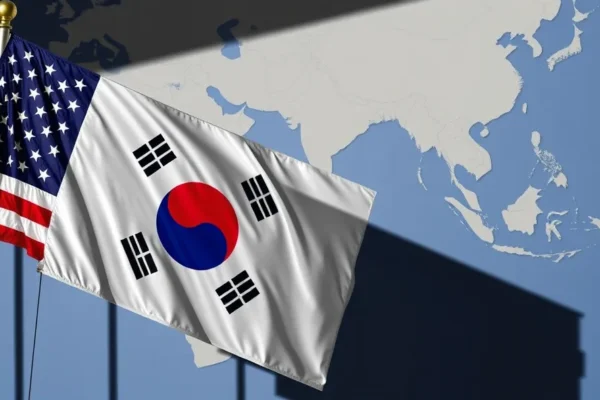
For example, if joint military drills between the United States and South Korea are reduced, it could be seen as a signal of weakening US resolve in Asia. This might encourage North Korea to take more assertive actions, or it could lead other countries in the Indo-Pacific region to reassess their own security arrangements and potentially increase their defense spending. Conversely, if the Pentagon redeploys troops and weapons stockpiles to the Middle East in response to escalating tensions with Iran, it signals a shift in focus that can affect global energy markets, as oil prices are sensitive to instability in that region. These shifts, while seemingly distant, can influence the cost of imported goods and the profitability of companies involved in international trade.
Why These Geopolitical Shifts Matter to Your Finances
The connection between global military decisions and your personal finances might not be immediately obvious, but it’s significant. When US foreign policy changes, especially concerning major allies and strategic regions like Asia security, it can create geopolitical doubts that reverberate through the economy.
- Consumer Prices: If instability in a region increases the cost of oil or other crucial commodities, you’ll likely see that reflected in higher prices at the gas pump and for a wide range of goods that rely on transportation. This is inflation, a general increase in the prices of goods and services over time.
- Investment Returns: Stock markets and other investments often react to geopolitical news. Increased uncertainty can lead to market downturns, affecting the value of your retirement savings, mutual funds, or individual stocks. Conversely, perceived stability can bolster investor confidence and lead to market growth.
- Job Market: Major shifts in economic conditions, often influenced by geopolitical events, can impact job creation and security. If international trade is disrupted or major industries face economic headwinds due to instability, job losses can occur in affected sectors.
- Government Spending: Decisions to redeploy military assets or increase defense spending can have an impact on government budgets. This can influence tax policies or the availability of funds for domestic programs, which indirectly affects citizens.
For instance, if a decision to reduce South Korean drills is perceived as a weakening of US resolve in Asia, it could lead to heightened regional tensions. This might cause businesses that rely on stable trade routes in the Indo-Pacific to increase insurance costs or delay investments, potentially slowing economic growth and affecting job prospects in that region, and by extension, global markets.
Historical Context of Shifting Alliances and Economic Impact
Throughout history, shifts in military alliances and deployments have consistently influenced economic outcomes. Think back to the Cold War: the geopolitical standoff between the United States and the Soviet Union led to massive defense spending, technological innovation driven by military needs, and a global economic order shaped by the rivalry. Similarly, periods of relative peace and strong alliances have often coincided with periods of economic prosperity and expansion.
More recently, the post-9/11 era saw significant US military involvement in the Middle East, which had profound effects on global energy prices and international relations. The current discussions around reducing large-scale military drills, such as those between the US and South Korea, are a manifestation of evolving strategic priorities. For instance, the Trump administration’s approach to these drills often involved questioning their cost-effectiveness and signaling a desire to renegotiate security burdens with allies, leading to discussions about US resolve in Asia. This has led to increased scrutiny on Asia security and has sometimes been juxtaposed with increased focus and troop deployments to regions like the Middle East, especially concerning Iran. Data from the Congressional Research Service often tracks these troop movements and their associated costs, highlighting the financial scale of these decisions. For example, reports have detailed the significant resources involved in maintaining US troop presence in various global hotspots.
Practical Ways to Think About Geopolitical Events in Your Financial Life
When you hear about major geopolitical shifts, like changes in military drills or troop redeployments, here’s how to frame your thinking from a financial perspective:
- Look for Signals of Stability or Instability: Events that suggest increased cooperation and predictable alliances generally foster economic confidence. Conversely, events that signal conflict, uncertainty, or a withdrawal of commitment from key regions (like a perceived decrease in US resolve in Asia) can create economic headwinds.
- Consider Sectoral Impacts: Certain industries are more sensitive to geopolitical events than others. Defense companies might benefit from increased military spending, while energy companies are highly sensitive to Middle East stability. Travel and tourism can be affected by security concerns in popular destinations.
- Understand the Long-Term vs. Short-Term: Sometimes, a geopolitical event might cause a short-term shock in the markets, but the long-term impact depends on how the situation evolves. It’s important not to overreact to immediate news but to consider the broader trends.
- Diversification is Key: For investors, a well-diversified portfolio across different asset classes and geographic regions can help mitigate risks associated with localized geopolitical events. This means not putting all your financial eggs in one basket.
A common misconception is that these events only affect governments or large corporations. However, even seemingly small decisions, like reducing the frequency of military drills or adjusting weapons stockpiles in a region, can contribute to a broader sense of geopolitical doubts that influences consumer confidence, investment decisions, and ultimately, the economic well-being of individuals.
Connecting Geopolitics to Broader Economic Concepts
Understanding the financial implications of geopolitical events is part of a larger picture of economic literacy. This topic is closely linked to several other key financial concepts:
- International Trade and Tariffs: Geopolitical tensions can lead to trade wars or the imposition of tariffs, which directly impact the cost of imported goods and the competitiveness of exported products.
- Currency Exchange Rates: Shifts in global power and economic stability can cause currency values to fluctuate, affecting the cost of international travel and the price of imported goods. Understanding how to navigate currency markets is crucial for international investors.
- Risk Management: For both individuals and businesses, geopolitical analysis is a critical component of risk management. It involves assessing potential threats and opportunities arising from international events.
- Global Supply Chains: Modern economies rely on complex global supply chains. Disruptions in one part of the world, often triggered by geopolitical events, can have far-reaching consequences. Learning about supply chain management can highlight these vulnerabilities.
Common Questions About Geopolitics and Your Finances
How does the reduction in South Korean drills affect US resolve in Asia?
Reducing the frequency or scale of military drills, like those with South Korea, can be interpreted by allies and adversaries alike as a potential signal of shifting US resolve in Asia. This ambiguity can create uncertainty about future commitments to regional security, potentially emboldening adversaries or prompting allies to reconsider their own defense strategies.
What are the economic implications of Pentagon troop redeployments to the Middle East?
Redeploying troops and weapons stockpiles to the Middle East, especially concerning Iran, can lead to increased global oil price volatility due to heightened tensions. It also signifies a reallocation of significant financial resources away from other regions, impacting defense budgets and potentially influencing international trade and investment flows.
Can individuals influence US foreign policy decisions that affect Asia security?
While individual citizens cannot directly command military drills or troop movements, they can influence US foreign policy through democratic processes, such as voting, contacting elected officials, and engaging in public discourse on foreign policy issues. Collective action and advocacy can shape the national conversation and policy direction.
How do geopolitical doubts impact market volatility?
When there are significant geopolitical doubts or uncertainties, such as concerns about Iran war scenarios or shifting alliances in the Indo-Pacific, financial markets tend to become more volatile. Investors may become more risk-averse, leading to sell-offs in stocks and a flight to safer assets, causing price swings.
What is the connection between geopolitical events and inflation?
Geopolitical events can significantly impact inflation. For instance, conflicts or instability in key energy-producing regions can disrupt oil supplies, leading to higher energy prices which then ripple through the economy, increasing the cost of transportation and goods. This is an example of how Middle East instability can affect global prices.
Are there specific financial assets that are considered “safe havens” during geopolitical uncertainty?
Yes, during times of heightened geopolitical doubts, investors often turn to perceived safe-haven assets. These traditionally include gold, certain government bonds from stable economies (like US Treasury bonds), and sometimes currencies of countries seen as politically neutral and economically sound.
This educational content is intended for informational purposes only and does not constitute financial advice. Financial situations are unique and complex. Investing involves risk, including the potential loss of principal. It is essential to consult with a qualified financial professional before making any financial decisions or adjustments to your investment strategy. They can assess your personal circumstances and provide tailored guidance.











