

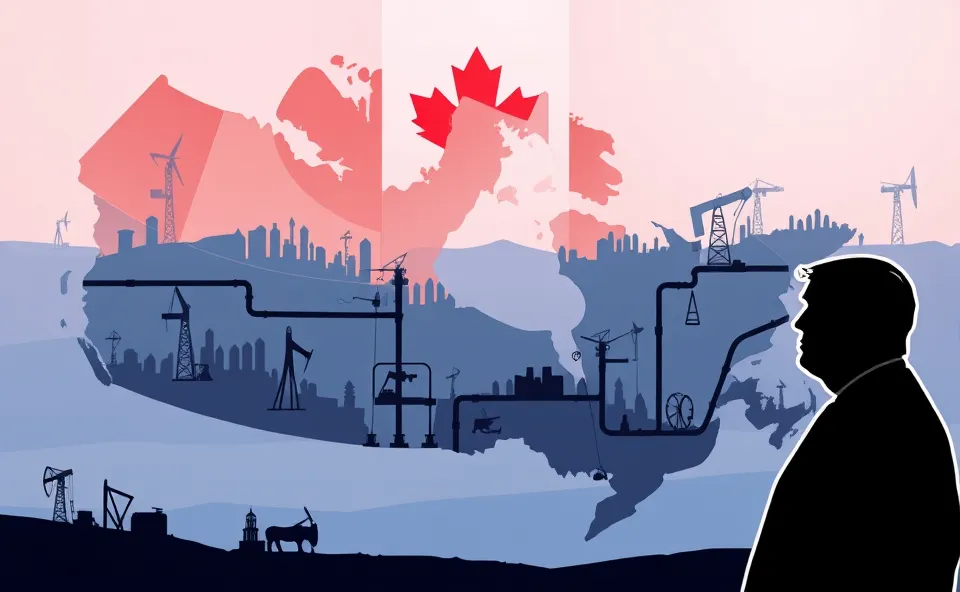
The Great Pipeline Patchwork: A Look at Trump’s “Frankenpipeline” Strategy
Ever hear the term “frankenpipeline”? It sounds a bit spooky, right? But in the world of energy and business, it’s a real strategy. Essentially, it’s about cobbling together existing oil pipelines, or parts of them, with new additions to create a larger, connected system. Think of it like taking several old hoses and connecting them with new couplings to reach further than any single hose could. This approach was a big part of Donald Trump’s vision for reviving major energy infrastructure projects, specifically the Keystone XL pipeline and extending the Dakota Access Pipeline into Canada. It’s about making do and making it work by creatively using what’s already there.
Why the Buzz About This Pipeline Plan Now?
You might be wondering why we’re talking about this “frankenpipeline” strategy today. Well, even though the specific projects have faced significant hurdles and shifts in political winds, the underlying idea of leveraging existing infrastructure for energy transport remains a hot topic. Discussions about energy security, the role of fossil fuels in our future, and the sheer scale of infrastructure projects needed to move resources efficiently keep these kinds of strategies in the spotlight. When debates heat up about energy independence and the best ways to get oil from where it’s produced to where it’s needed, the concepts behind the “frankenpipeline” often resurface as a pragmatic, if complex, solution.
From Big Dreams to Interconnected Hoses: The Story So Far
Let’s rewind a bit. The Keystone XL pipeline was always a massive undertaking, designed to bring oil from Canada’s oil sands down to refineries in the United States. It promised jobs and a more secure energy supply. The Dakota Access Pipeline, on the other hand, was built to carry oil from North Dakota’s Bakken region to major pipelines further east. Both faced intense scrutiny, particularly concerning their environmental impact and the rights of indigenous communities. Trump’s administration saw these projects as vital for American energy independence and economic growth. The “frankenpipeline” idea came into play as a way to potentially overcome some of the roadblocks. Instead of starting entirely from scratch, the thinking was to integrate parts of existing pipeline systems, perhaps connect them to new spurs, or extend them, making them more efficient and far reaching. This wasn’t just about building new pipes; it was about creating a more interconnected network using what was already in the ground or could be adapted. It’s a strategy rooted in pragmatism, aiming to maximize the use of established infrastructure while still achieving expansion goals.
What Does This Pipeline Puzzle Mean for Us?
The implications of this “frankenpipeline” approach are far reaching. For businesses in the oil and gas sector, it represents a potential path to move product more efficiently and at a lower cost, which can impact everything from fuel prices at the pump to the profitability of energy companies. From a national perspective, it ties directly into discussions about energy security – the idea that a country can meet its energy needs reliably from domestic or friendly sources. If these interconnected pipelines could move more oil, it could lessen reliance on volatile global markets. However, the environmental impact is a huge piece of this puzzle. Building or expanding any oil pipeline carries risks, from potential leaks that could harm ecosystems to the broader implications of continuing to rely heavily on fossil fuels. Critics argue that investing in such infrastructure locks us into a carbon-intensive future, at a time when the world is increasingly looking towards renewable energy alternatives. Then there’s the political maneuvering involved. These projects often become lightning rods in debates about economic development versus environmental protection, and the choices made about infrastructure have long-term consequences for our energy landscape.
Where Do We Go From Here? The Road Ahead for Pipelines
The future of large scale pipeline projects like Keystone XL and extensions of the Dakota Access Pipeline remains dynamic. While the “frankenpipeline” strategy offered a creative way to think about leveraging existing assets, the path forward for any such project is complex. We’ll likely continue to see ongoing debates about the balance between energy security, economic benefits, and environmental responsibilities. As technology evolves and our understanding of climate change deepens, so too will the considerations surrounding fossil fuel infrastructure. It’s probable that any future pipeline expansion will involve even more scrutiny regarding environmental safeguards and community engagement. Simultaneously, the drive for renewable energy alternatives will undoubtedly shape the long-term energy map, potentially altering the demand for traditional oil transportation methods over time.
Frequently Asked Questions About Oil Pipelines and Energy Policy
What is the main goal of the Keystone XL pipeline?
The primary goal of the Keystone XL pipeline was to transport crude oil from the oil sands in Alberta, Canada, to refineries in the United States, aiming to bolster energy supply and create jobs.
How does the Dakota Access Pipeline fit into Trump’s energy policy?
Trump’s energy policy supported the Dakota Access Pipeline’s completion and operation, seeing it as crucial for transporting domestic oil resources and enhancing energy independence.
What are the concerns regarding the environmental impact of oil pipelines like Keystone XL?
Concerns include the potential for oil spills, which can severely damage ecosystems and water sources, as well as the contribution of fossil fuels to climate change and the need for renewable energy alternatives.
Is the “frankenpipeline” approach used for other infrastructure projects besides oil pipelines?
While the term was specifically applied to strategies for oil pipelines, the concept of integrating and extending existing infrastructure to meet new needs is a broader engineering and planning principle that can apply to various types of networks.
How does pipeline expansion affect Canada and its role in global fossil fuels?
Pipeline expansion can significantly impact Canada’s ability to export its oil resources, influencing its economic standing in the global energy market and its contribution to the supply of fossil fuels worldwide.











