

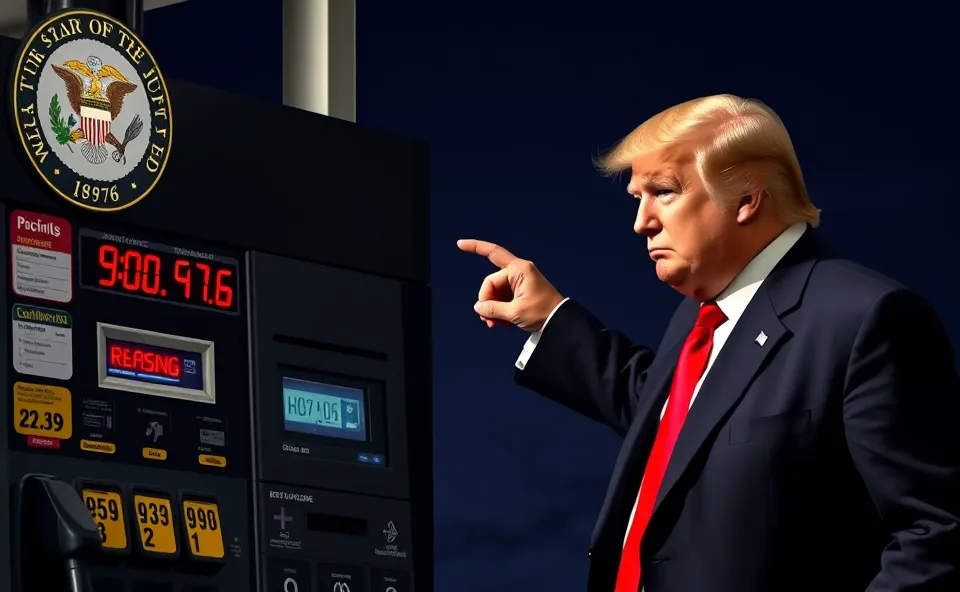
The President’s Concerns Over Fuel Prices
So, you’ve probably noticed that filling up your car hasn’t been exactly cheap lately. Well, President Donald Trump recently made some serious accusations, pointing fingers at what he believes is fuel price gouging. He’s specifically targeting energy companies, suggesting they might be unfairly jacking up prices. To get to the bottom of this, he’s directed the Department of Justice, often referred to as the DOJ, to launch a federal investigation. Essentially, he’s asking the government’s top legal body to look into whether companies are taking advantage of the situation and making consumers pay too much for gasoline prices. This is a pretty big deal because it involves a high-level government probe into how fuel prices are set and whether those prices reflect fair market value or something more suspicious.
Why Are We Talking About This Now?
This whole issue is buzzing right now because, frankly, many Americans are feeling the pinch at the pump. When fuel prices climb, it doesn’t just affect our wallets when we buy gas; it ripples through the entire economy. Think about it: transportation costs go up for businesses, which often means higher prices for everything from groceries to goods you buy online. This increase in energy costs can feel like inflation is hitting hard. So, when the President steps in and suggests price gouging might be at play, it resonates with a lot of people who are already worried about their household budgets and the overall state of the economy. The idea that someone might be intentionally making things more expensive fuels a lot of public interest and concern, prompting discussions about consumer protection and how the White House views these economic pressures.
A Look Back at Fuel Price Fluctuations
To understand why fuel prices can become such a hot topic, it’s helpful to remember that they’ve always been a bit of a rollercoaster. For decades, gasoline prices have been influenced by a complex mix of global supply and demand, geopolitical events, and even weather patterns. We’ve seen times when oil prices shot up due to conflicts in major oil producing regions, and other times when they’ve plummeted because of an oversupply. Consumer behavior also plays a role; when demand for fuel increases, prices naturally tend to rise. However, the concern President Trump is raising goes beyond these typical market swings. He’s suggesting that even if market forces are at play, there might be an element of deliberate manipulation or exploitation happening, which is a different kind of problem altogether. The history of fuel gouging allegations isn’t new, but the specific context and the presidential order make this moment particularly noteworthy.
What This Means for You and the Market
When the President orders a DOJ investigation into gas price gouging, it sends a clear message. For everyday consumers, it offers a sense of reassurance that their concerns about high fuel prices are being heard at the highest level of government. It suggests that there’s a commitment to consumer protection and to ensuring fair practices in the energy market. For businesses, especially those heavily reliant on transportation, this kind of scrutiny can create a bit of uncertainty. They’ll be watching closely to see what the investigation uncovers. If significant fuel gouging is found, it could lead to policy changes or regulatory actions aimed at stabilizing energy costs. It also shines a spotlight on the broader issue of inflation and how it impacts household budgets across the country. The actions of the White House in this situation are closely observed by markets, as they can influence investor confidence and corporate behavior within the energy sector.
What Comes Next?
Looking ahead, the Department of Justice investigation into fuel prices and potential gas price gouging will likely take some time. Investigations of this nature involve gathering information, interviewing relevant parties, and analyzing data. The outcome could range from finding no evidence of illegal price gouging, meaning the prices are simply a result of market conditions, to uncovering practices that violate consumer protection laws. If violations are found, the DOJ could pursue legal action against companies. Regardless of the specific findings, this event highlights the ongoing public and governmental attention on energy costs and their impact on the economy. It sets a precedent for how such concerns might be addressed in the future, potentially leading to more transparent pricing mechanisms or stronger oversight of the fuel market. The focus will remain on whether consumers are being treated fairly and if energy costs are truly reflecting market realities.
Frequently Asked Questions About Fuel Prices and Investigations
What is President Trump’s main concern regarding fuel prices?
President Trump’s primary concern is that fuel price gouging is happening, meaning energy companies might be unfairly increasing gasoline prices beyond what market conditions would normally justify. He believes this is hurting consumers.
What is the role of the DOJ investigation in this situation?
The Department of Justice, or DOJ, is tasked with conducting a federal investigation to determine if any laws have been broken concerning fuel prices. They are looking for evidence of illegal price gouging and unfair practices that violate consumer protection standards.
How does gas price gouging affect the average person?
When gas price gouging occurs, it directly leads to higher fuel prices at the pump. This increased cost for gasoline means less disposable income for consumers and can also contribute to broader inflation, making everyday goods and services more expensive.
What are the potential impacts of a DOJ investigation into fuel gouging?
A DOJ investigation could lead to several outcomes. If evidence of illegal fuel gouging is found, companies could face legal penalties. It could also prompt policy discussions or regulatory changes aimed at preventing future instances of price gouging and protecting consumers from excessive energy costs.
Can fuel prices be investigated for being too high even if there’s no explicit price gouging?
While the current focus is on alleged price gouging, the investigation by the DOJ is meant to examine the legality of the pricing. If prices are unusually high due to market forces alone, it’s generally not considered illegal unless specific laws related to anti-competitive practices or price manipulation are violated. The investigation aims to distinguish between market-driven price increases and potentially exploitative practices.











