

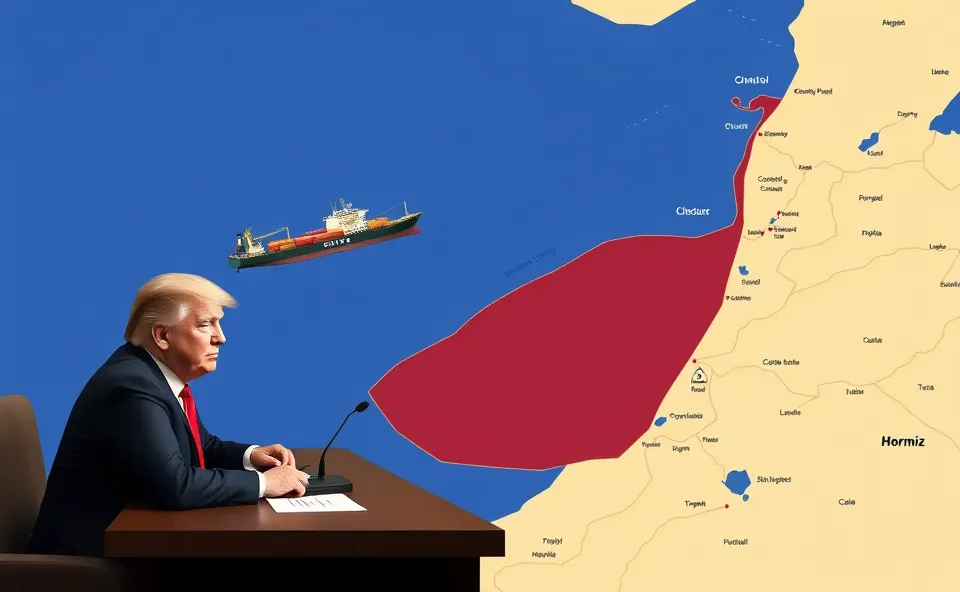
What’s the Buzz About Trump’s Iran Deal and That Famous Strait?
You might have seen headlines swirling around Donald Trump and a potential Iran deal, and it’s all tied up with a very important waterway called the Strait of Hormuz. It sounds a bit like a diplomatic chess match with massive economic stakes. Basically, we’re talking about the possibility of revisiting an old agreement with Iran concerning its nuclear program and what that could mean for a crucial shipping route that’s vital for the world’s oil supply. It’s a complex topic, but at its heart, it’s about global trade, energy security, and the delicate dance of international relations.
Why is Everyone Talking About This Now?
The renewed interest in the Trump Iran deal and its connection to the Strait of Hormuz isn’t coming out of nowhere. Recent geopolitical shifts and concerns about energy security have brought these topics back into the spotlight. As oil prices fluctuate and regional tensions simmer, the potential impact of any change in US foreign policy towards Iran, especially concerning a deal that was previously abandoned, becomes a major point of discussion. Businesses, policymakers, and everyday people are watching closely because what happens with Iran and that narrow strip of water can have ripple effects across the global economy.
A Little Trip Down Memory Lane: The Backstory
To understand what’s happening now, we need to rewind a bit. Back in 2015, under President Obama, the United States and other world powers struck a deal with Iran. It was called the Joint Comprehensive Plan of Action, or JCPOA for short. The main goal was to prevent Iran from developing nuclear weapons in exchange for easing international sanctions on the country. This was a big deal, and it led to Iran’s oil exports increasing significantly, which in turn impacted global oil prices.
However, in 2018, President Trump announced that the US was withdrawing from the JCPOA and reimposing tough sanctions on Iran. This move was met with mixed reactions. Supporters argued it was necessary to curb Iran’s disruptive behavior in the region, while critics warned it would isolate the US and increase tensions. The sanctions severely limited Iran’s ability to sell its oil on the international market, affecting its economy and global energy dynamics.
Now, the discussion is about whether a future administration, potentially influenced by Trump’s past stance, might consider reengaging with Iran on a deal. This isn’t just about nuclear talks; it’s also about the broader implications for the Middle East and the vital shipping lanes there.
The Strait of Hormuz: A Global Lifeline
Here’s where the Strait of Hormuz comes in. This is a very narrow channel that connects the Persian Gulf to the open ocean. Think of it as a bottleneck. Why is it so important? Because a huge portion of the world’s oil shipments pass through it every single day. We’re talking about roughly one fifth of the world’s total petroleum liquids consumption. Major oil producing countries in the Middle East, like Saudi Arabia, Iran, Iraq, and the UAE, rely on this strait to export their oil to markets all over the globe.
The potential for any disruption in the Strait of Hormuz is a major concern for energy security worldwide. If this waterway were to be closed or significantly impacted, it could lead to sharp increases in oil prices, disrupt supply chains, and create widespread economic instability. This is why any news or talk related to Iran’s relationship with the US, especially in the context of a potential new or revised Iran deal, immediately raises questions about the safety and accessibility of the Strait of Hormuz.
So, What Does This All Mean for You and Me?
The implications of any shift in US foreign policy regarding the Trump Iran deal and the security of the Strait of Hormuz are far reaching. For businesses, especially those in the energy sector, it means watching the oil market very closely. Changes in supply, demand, and geopolitical risk can directly affect oil prices, which then trickle down to transportation costs, manufacturing, and consumer goods.
Here’s a breakdown of the potential impacts:
- Oil Prices: A more stable relationship or a new agreement could lead to increased Iranian oil exports, potentially bringing more supply to the market and helping to stabilize or even lower oil prices. Conversely, renewed tensions or instability in the Strait of Hormuz could cause prices to spike.
- Energy Security: For countries that rely heavily on oil imports, the predictability of supply from the Middle East is crucial. Any threat to the Strait of Hormuz directly impacts global energy security.
- Global Trade: Maritime shipping through the Strait of Hormuz is a cornerstone of global trade. Disruptions can lead to higher shipping costs and delays, affecting the availability and price of goods worldwide.
- Geopolitics: The Middle East is already a complex region. Changes in US Iran policy can alter regional power dynamics, affect relationships with allies, and influence the broader geopolitical landscape.
- Sanctions Relief: If a new deal were struck and sanctions eased, it could open up new business opportunities in Iran for companies, though this would depend on the specifics of the sanctions lifted and the overall economic climate.
Ultimately, these developments matter because they influence the cost of energy, the stability of global markets, and the interconnectedness of economies around the world. It’s a reminder that even seemingly distant foreign policy decisions can have a very real impact on our daily lives.
What Could Happen Next?
Looking ahead, the situation remains fluid. If discussions about re-engaging with Iran on a nuclear deal were to gain traction, we could see a period of intense negotiation. The specifics of any proposed agreement would be critical. Would it be a full revival of the JCPOA, or a modified version? What would be the terms regarding Iran’s nuclear activities and its regional behavior?
The status of the Strait of Hormuz would likely be a key consideration in these discussions. Ensuring freedom of navigation and the uninterrupted flow of oil would be paramount for many nations. If tensions in the region were to de-escalate as a result of diplomatic progress, it could lead to greater stability in the Strait and a more predictable oil market. However, if negotiations falter or new disputes arise, the risk of confrontation in the Strait of Hormuz could increase, leading to market volatility and heightened geopolitical concerns.
The US foreign policy approach will be a significant factor. Whether the focus is on maximum pressure, diplomatic engagement, or a combination of both, each path carries different implications for Iran, its neighbors, and the global economy. It’s a waiting game, with many stakeholders watching to see which direction the diplomatic winds will blow.
Frequently Asked Questions
What is the Trump Iran deal in simple terms?
The Trump Iran deal refers to the US withdrawal from the 2015 nuclear agreement with Iran, known as the JCPOA, under President Trump. He reimposed strong sanctions on Iran, aiming to curb its nuclear program and regional influence. Discussions now sometimes touch on the possibility of revisiting or renegotiating such an agreement.
Why is the Strait of Hormuz so important to the oil market?
The Strait of Hormuz is a critical chokepoint for global oil supplies. About one fifth of the world’s oil passes through it daily. Any threat to its security or closure could severely disrupt supply, leading to higher oil prices and impacting the global economy.
How could a new Iran deal affect oil prices?
If a new Iran deal leads to the lifting of sanctions and increased Iranian oil exports, it could boost global supply and potentially lower oil prices. Conversely, renewed tensions or failed negotiations could destabilize the region and cause oil prices to rise due to supply concerns.
What is the current status of US foreign policy regarding the Iran deal?
The US officially withdrew from the JCPOA in 2018. While there have been discussions and indirect talks about potential re-engagement, the status remains that the US is not a party to the original deal. Future policy directions are subject to ongoing geopolitical considerations.
Does the Strait of Hormuz play a role in global trade beyond oil?
Yes, while the Strait of Hormuz is most critically linked to the oil market, it is also a vital artery for general maritime shipping. Many goods and products from the Middle East are exported through this waterway, so its stability is important for broader global trade and supply chains.











