

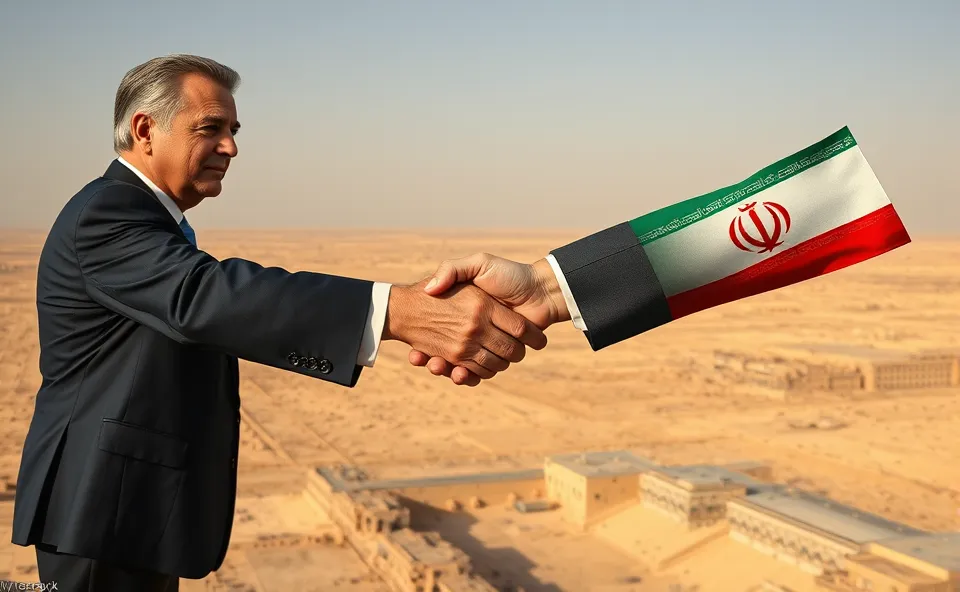
A Glimmer of Peace in the Middle East? Trump Says Iran War Nears an End
Big news is stirring in the geopolitical landscape, folks. Donald Trump, the former U.S. president, recently made a significant statement suggesting that the long-running tensions and potential for conflict involving Iran are nearing a resolution. He pointed to a proposed two-week ceasefire and hinted at upcoming peace talks as indicators that a pathway toward de-escalation is opening up. This isn’t just another headline; it’s a development that could ripple through global relations and markets, making it a topic on everyone’s mind right now.
Why Are We Talking About This Now?
The reason this is suddenly front and center is, of course, Trump’s public declaration. When a figure with his history on the international stage speaks about such a sensitive issue, especially concerning the Iran war, people pay attention. His statements carry weight, and the mention of specific steps like a ceasefire and peace talks instantly sparks curiosity and a desire for more information. It’s the kind of news that prompts immediate questions: Is this real? What does it mean? How did we get here?
The sudden focus on potential peace talks also highlights how volatile the situation with Iran has been. For a long time, US Iran relations have been strained, marked by sanctions, diplomatic standoffs, and the constant threat of escalation. Any movement, however tentative, towards resolving the Iran war and fostering dialogue is naturally going to grab headlines and become a trending topic.
A Look Back: Years of Complex US Iran Relations
To truly grasp the significance of Trump’s recent statement, we need a little context. The relationship between the United States and Iran has been a complex and often fraught one for decades. Following the 1979 Iranian Revolution, diplomatic ties were severed, and a deep mistrust has characterized much of the subsequent period. This has played out through various administrations, each navigating its own set of challenges with the Iranian government.
Key flashpoints have included Iran’s nuclear program, its regional influence, and various international incidents. The Trump administration, in particular, took a firm stance, withdrawing from the Joint Comprehensive Plan of Action JCPOA the Iran nuclear deal and reimposing stringent sanctions. This led to increased geopolitical tensions and a heightened risk of conflict. The idea of a ceasefire and peace talks, therefore, represents a potential departure from that recent trajectory.
Understanding this background is crucial. It’s not just about a sudden announcement; it’s about the culmination of years of intricate diplomacy, economic pressure, and the ever-present shadow of the Iran war. The path to any kind of resolution has been long and winding, making any sign of progress incredibly noteworthy.
What This Could Mean for All of Us
The implications of a potential end to conflict or even a significant de-escalation in the Iran war are far-reaching. For businesses, especially those in industries sensitive to global stability like energy and shipping, this news could signal a reduction in risk. Imagine oil prices stabilizing or shipping routes becoming more secure if the threat of conflict recedes. This kind of shift can influence investment decisions and overall market confidence.
On a broader level, Middle East diplomacy is a delicate dance. If these peace talks materialize and yield results, it could ease broader geopolitical tensions that have, for years, kept the region on edge. Technology sectors that rely on global supply chains could see benefits from increased stability. Think about the components used in everything from smartphones to advanced manufacturing; disruptions in the Middle East can have a domino effect.
For everyday citizens, a reduction in international conflict means a safer world. It means less worry about news cycles dominated by threats of war and more focus on global cooperation. It’s about the quiet hope that international negotiations can indeed lead to conflict resolution, fostering an environment where economic and social progress can take precedence.
The impact extends to the very fabric of international relations. It demonstrates that even after periods of intense pressure, dialogue and the pursuit of peace talks remain possible. This could set a precedent for other simmering disputes around the globe, showcasing the power of diplomacy and conflict resolution.
Looking Ahead: What Comes After the Peace Talks?
So, what happens next? If a two-week ceasefire holds and genuine peace talks begin, the immediate focus will be on the substance of those negotiations. We’ll be watching closely to see if both sides, the U.S. and the Iranian government, are genuinely committed to finding common ground. The agenda for such talks would likely be extensive, potentially covering nuclear issues, regional security, and the lifting of sanctions.
Success isn’t guaranteed, of course. History shows that international negotiations are often long and arduous, with many potential pitfalls. However, the very fact that these discussions are on the table, spurred by Trump’s announcement, suggests a willingness to explore alternatives to confrontation. The Trump administration’s approach to these matters, as well as the response from the current U.S. administration and international partners, will be critical.
The key will be sustained engagement and a commitment to gradual progress rather than expecting overnight solutions. If these peace talks can lay the foundation for a more stable relationship, it could reshape the geopolitical landscape of the Middle East for years to come. It’s a cautiously optimistic outlook, one that hinges on continued dialogue and a shared desire for peace.
Frequently Asked Questions
What did Donald Trump say about the Iran war?
Donald Trump stated that the Iran war is nearing an end, citing a potential two-week ceasefire and upcoming peace talks as evidence of de-escalation efforts.
Are there actual peace talks scheduled with Iran?
Trump’s statements suggest that peace talks are anticipated, though official confirmations and specific dates for such international negotiations would be subject to ongoing diplomatic processes between the involved governments.
How has the Trump administration influenced US Iran relations?
The Trump administration pursued a policy of “maximum pressure” against Iran, including withdrawing from the JCPOA and reimposing sanctions, which significantly heightened geopolitical tensions and impacted US Iran relations.
What is the significance of a ceasefire in the context of the Iran war?
A ceasefire would be a crucial step toward conflict resolution, halting immediate hostilities and creating a more stable environment for subsequent diplomatic efforts and international negotiations.
What are the potential outcomes of ongoing peace talks with Iran?
Potential outcomes of peace talks could range from a general de-escalation of regional tensions and improved US Iran relations to more concrete agreements on nuclear issues, sanctions relief, and regional security arrangements, all aimed at fostering Middle East diplomacy.











