

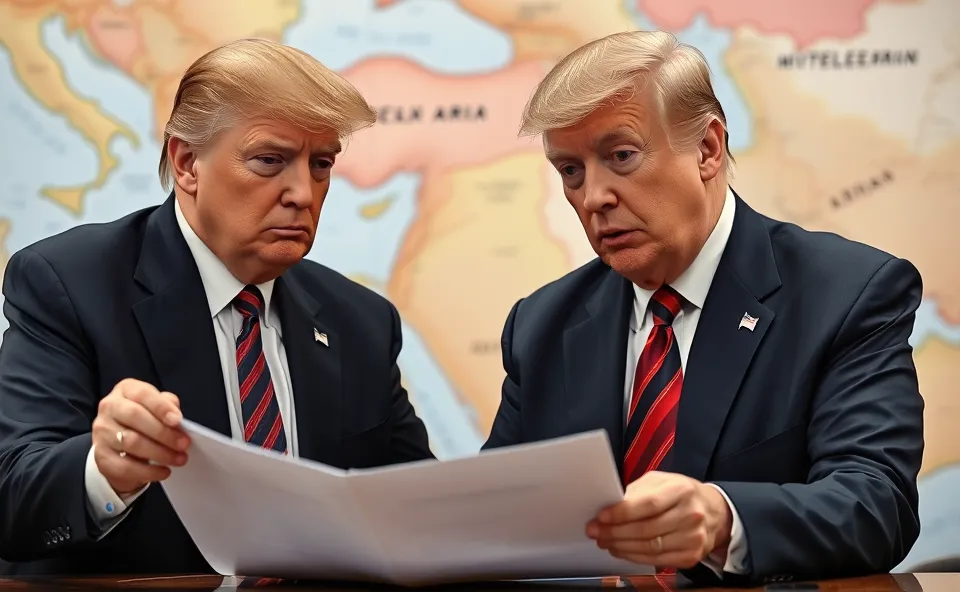
A Surprise Move on the Global Stage
Something interesting is happening in the world of global politics. Iran has sent over a proposal to end the conflict and lower the heat between its government and the United States. What makes this particularly surprising is the delivery method. Instead of going through traditional channels or a well known European mediator, the Iranian proposal came via Pakistan.
Now, the world is waiting to see how Trump reacts to this move. For a long time, the relationship between Trump and Iran has been defined by high tension and a hard line on sanctions. However, the introduction of a third party like Pakistan suggests that there is a real desire to find a way out of the current deadlock. The core of the message is simple. Iran wants to end the war and find a diplomatic path forward.
This is not just a casual letter. It is a strategic attempt to open a door that has been shut for years. By using Pakistan, Iran is trying to create a buffer and a safe space for negotiations. Trump has always been a fan of the deal, but he also believes in strength. The big question is whether he sees this as a sign of weakness or a genuine opening for diplomacy.
Why Everyone is Talking About This Now
You might wonder why this is suddenly all over the news and social media. The reason is simple. The world is currently a powder keg of geopolitical tension. When two major powers like the US and Iran talk about a proposal to end the war, the whole world holds its breath. People are searching for updates because the stakes are incredibly high.
There are a few reasons why this is trending right now:
- Market Anxiety: Investors hate uncertainty. Any hint of a conflict or a peace deal in the Middle East sends shockwaves through the stock market.
- Energy Concerns: A large portion of the worlds oil flows through a very narrow passage. Any threat to that area makes gas prices jump.
- Political Timing: With various political cycles happening, the way Trump handles this could define his image as a global peacemaker or a hardliner.
- The Pakistan Factor: Pakistan is an unusual choice for a mediator. This adds a layer of intrigue that has analysts and news agencies like Tasnim and Fars closely monitoring every detail.
When these factors combine, you get a situation where a single diplomatic cable can change the mood of the global economy overnight. It is no longer just about politics. It is about the cost of living and the stability of international trade.
Getting Up to Speed on the Conflict
To understand why this new Iranian proposal is such a big deal, we have to look back. For years, the US and Iran have been locked in a cycle of aggression and sanctions. Trump previously pushed a policy of maximum pressure. This meant cutting off Iran from the global banking system and slapping heavy shipping sanctions on their exports.
The goal was to force Iran to the table to discuss its nuclear program and its influence in the region. Iran responded by increasing its nuclear activities and threatening to disrupt the Strait of Hormuz. For those who do not know, the Strait of Hormuz is one of the most important shipping lanes in the world. If that passage is blocked, the global oil supply takes a massive hit.
The tension has been a rollercoaster. We have seen drones shot down, tankers seized, and endless rhetoric from both sides. Diplomacy has been tried before, but it often failed because neither side wanted to look like they were giving in. This history is why the current move via Pakistan is so unexpected. It shows that the old ways of communicating are not working and someone is trying a different tactic.
How This Hits the Global Wallet
Since this is a finance and business analysis, we need to talk about the money. Geopolitical tension is not just a headline. It is a financial variable. The most immediate impact of the Trump and Iran standoff is felt in the energy sector.
If the Iranian proposal leads to a US proposal that both sides can agree on, we could see a period of stability. But if the deal fails, the risk of a shutdown in the Strait of Hormuz increases. When shipping lanes are threatened, insurance rates for cargo ships skyrocket. This means everything from electronics to clothing becomes more expensive to move, which eventually raises prices for the consumer.
Shipping sanctions also play a huge role. Currently, many companies avoid doing business with Iran to avoid US penalties. If a deal is reached to end the war and lift some of these sanctions, a whole new market opens up. This would allow for a flow of goods and services that has been blocked for years.
For businesses, the impact looks like this:
- Oil Stability: A peace deal would likely lower the risk premium on oil, leading to more predictable energy costs.
- Trade Routes: Safe passage through the Strait of Hormuz ensures that global supply chains remain intact.
- Investment Confidence: Lower tension in the Middle East encourages foreign investment in emerging markets across Asia and Africa.
Where We Go From Here
So, what happens next? We are currently in a waiting game. The ball is in the court of the US government. Trump has a history of making bold moves, and his reaction to this proposal will set the tone for the next few years.
There are two likely paths. The first is that the US sees this as an opportunity. They might respond with a US proposal that outlines specific conditions for lifting sanctions. If this happens, we could see a gradual cooling of tensions. This would likely happen in small steps, starting with prisoner exchanges or the reopening of some diplomatic channels.
The second path is that the US rejects the proposal as insufficient. If the US feels that the Iranian proposal does not offer enough concessions on nuclear weapons or regional proxies, they might double down on shipping sanctions. This would likely lead to a spike in geopolitical tension and a possible reaction from Iran in the Strait of Hormuz.
The role of Pakistan will be crucial. If they can maintain a neutral and trusted bridge, they might be able to facilitate a meeting that would have been impossible otherwise. While we should not expect a perfect peace treaty overnight, any move toward diplomacy is a step away from a costly war.
Common Questions About the Situation
Why did Iran use Pakistan to send the proposal to Trump?
Iran likely used Pakistan because it serves as a neutral ground. Since direct communication between the US and Iran is often blocked or too risky, using a third party allows both sides to explore options without losing face or appearing desperate.
What is the significance of the Strait of Hormuz in this conflict?
The Strait of Hormuz is a critical choke point for global oil. Iran has often used the threat of closing this strait as leverage. If it were blocked, oil prices would jump globally, putting immense pressure on the US and other world economies.
How do shipping sanctions affect the Iranian proposal?
Shipping sanctions are one of the most painful tools used by the US to pressure Iran. A major part of any Iranian proposal will be the request to lift these sanctions so they can export oil and goods normally again.
Will Trump accept the Iranian proposal to end the war?
It depends on the terms. Trump prefers deals that show a clear win for the US. If the proposal offers significant concessions regarding nuclear activity or regional influence, he may be more inclined to engage in diplomacy.
What is the role of Tasnim and Fars in these reports?
Tasnim and Fars are Iranian news agencies that often reflect the views or goals of the Iranian government. Their reporting on the proposal helps the world understand Iran’s current diplomatic strategy and their desire to lower tensions.











