

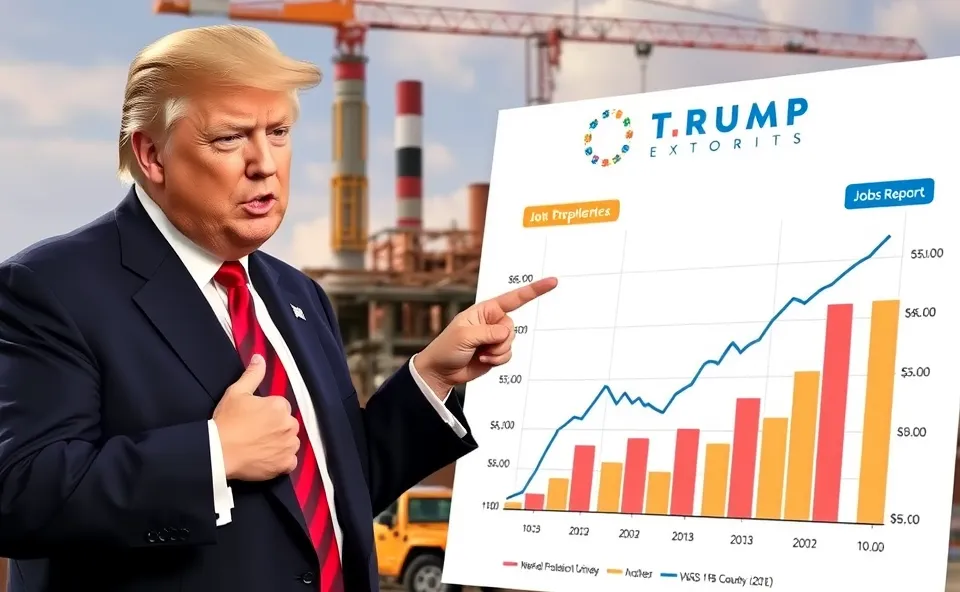
Taking the Pulse of the Economy: Trump’s View on the March Jobs Report
You know, talking about the economy always gets people buzzing, especially when it comes to job numbers. Recently, the March jobs report became a big talking point, and as you might expect, former President Trump had some strong thoughts on what it means for the country’s economic health and whether we are seeing a true economic rebound. It is not just about the numbers themselves, but how different leaders interpret them and what story they tell about the labor market.
Why Everyone’s Chatting About the March Jobs Report Now
So, why is this specific jobs report making waves right now? Well, economic data, particularly employment data like the March jobs report, always gives us a snapshot of how things are truly moving. When a prominent figure like former President Trump weighs in, it adds another layer to the discussion. People are keen to understand if the economy is indeed on a solid path, what job growth truly looks like, and what political leaders are saying about it as we look ahead. It also sparks conversations about past economic performance versus current trends, especially considering the idea of an economic rebound and who gets credit for it. With an election cycle on the horizon, every piece of economic news, and its interpretation, becomes a vital part of the national dialogue.
Looking Back: The Trump Economy and Its Blueprint
To really get a handle on Trump’s recent comments, it helps to remember his economic playbook. During his administration, a big focus was on what he called the “Trump economy,” which emphasized deregulation, tax cuts, and a strong stance on trade. His goal was always clear: bring manufacturing jobs back to the U.S., boost domestic production, and make America a global economic powerhouse.
One of the cornerstones of this strategy was the widespread use of tariffs. These are essentially taxes on imported goods. The idea behind tariffs was to make foreign products more expensive, encouraging businesses and consumers to buy American-made goods instead. This, in theory, would lead to more factory construction, more domestic job growth, and a stronger labor market right here at home. Before the pandemic hit, the unemployment rate did reach historic lows, and there was significant buzz around manufacturing growth, often attributed by his administration to these policies. This context is key when we hear him talk about current economic indicators and the path to an economic rebound. He often draws comparisons to the pre-pandemic period of his presidency, framing it as a golden era for job creation and economic prosperity.
What Trump’s Take Means for Businesses and the Labor Market
When Trump talks about the March jobs report and the broader economy, he often frames it through the lens of his past policies and what he believes is the right path forward. His recent comments serve as a reminder of his core economic principles and what he’d prioritize if given the chance.
For businesses, hearing a former president, especially one who might run again, articulate a strong vision around tariffs and domestic manufacturing can create a ripple effect.
Consider these points:
- Trade Policy Uncertainty: If there’s a possibility of a return to aggressive tariff policies, businesses that rely on global supply chains might start to think about diversifying their sourcing or even moving production closer to home. This could impact everything from logistics to the cost of goods.
- Focus on Domestic Investment: His emphasis on factory construction and bringing jobs back aligns with a push for more investment in U.S. infrastructure and manufacturing facilities. Companies in these sectors might see this as a signal for potential growth opportunities or future government support.
- Labor Market Dynamics: The ongoing discussion about job growth and the unemployment rate is critical for everyone. Trump’s take often highlights the need for specific types of jobs, particularly in manufacturing. This could influence education and training programs, pushing for skills that support domestic production.
- Economic Indicators Interpretation: His perspective often challenges prevailing narratives about economic indicators. He might highlight specific aspects of the March jobs report that support his arguments, downplaying others. This encourages a deeper, sometimes more critical, look at how we interpret employment data and overall economic health.
Ultimately, his views shape not just political discourse but also how many businesses and investors perceive the future economic landscape, especially concerning trade and the labor market.
Peeking Ahead: What Could Be Next for the Trump Economy Discussion
Looking forward, the conversation around the Trump economy, the March jobs report, and the role of tariffs isn’t going anywhere. We can expect these themes to remain central, especially as we move closer to the next presidential election cycle. Every new piece of economic data, like future jobs reports or updates on the unemployment rate, will likely be scrutinized through these lenses.
Here’s what we might see unfold:
- Continued Debate on Tariffs: The effectiveness and impact of tariffs will remain a hot topic. Proponents will point to potential job growth and domestic industry protection, while critics will raise concerns about increased costs for consumers and potential trade wars. This discussion will significantly influence future trade policy proposals.
- Focus on Manufacturing and Factory Construction: The push for revitalizing American manufacturing will likely intensify. We could see more proposals aimed at incentivizing factory construction and investment in specific industries, aiming to boost a particular kind of job growth.
- Different Interpretations of Economic Rebound: As economic indicators shift, there will be ongoing debates about whether the economy is truly experiencing a robust rebound. Different political figures will highlight different data points – whether it’s the overall unemployment rate, specific sector job growth, or consumer spending – to support their narratives.
- Impact on Global Trade Relations: Depending on future policy directions, we might see shifts in how the U.S. interacts with key trading partners. This could affect supply chains, international business strategies, and technological collaborations across borders.
The discussion surrounding Trump’s economic philosophy and its application to current economic indicators will continue to shape public understanding and policy debates for the foreseeable future.
FAQs About Trump, Tariffs, and the March Jobs Report
Here are some common questions people have about these intertwined topics:
What was Trump’s general reaction to the March jobs report?
While specific reactions vary, Trump typically interprets economic data like the March jobs report through the lens of his “Trump economy” framework. He often contrasts current job growth and unemployment rate figures with those during his presidency, emphasizing the importance of his prior policies, particularly tariffs, for achieving a strong economic rebound.
How do tariffs play into Trump’s view of an economic rebound?
Trump believes tariffs are a crucial tool for stimulating an economic rebound by encouraging domestic production and job growth. He argues that by making imported goods more expensive, tariffs incentivize businesses to build new factory construction in the U.S. and hire American workers, leading to a stronger labor market and better employment data.
What does the “Trump economy” refer to regarding job growth?
The “Trump economy” often refers to the period during his administration characterized by policies like tax cuts, deregulation, and tariffs, which he credited for significant job growth and a low unemployment rate prior to the pandemic. His supporters often point to these economic indicators as proof of his successful approach to the labor market.
How does the unemployment rate fit into discussions about the March jobs report?
The unemployment rate is a key economic indicator within the March jobs report, showing the percentage of the labor force that is jobless but actively seeking work. When discussing the March jobs report, Trump and others often focus on this figure to argue whether the economy is truly experiencing an economic rebound or facing challenges in the labor market.
What impact might a return to Trump’s tariff policies have on factory construction?
If there’s a return to Trump’s tariff policies, the intended impact on factory construction is to boost it significantly. The idea is that higher tariffs on foreign goods would make domestic manufacturing more competitive and profitable, leading companies to invest more in building and expanding factories within the U.S., thereby creating more job growth.











