

The Strategic Pause on Trump Tariffs
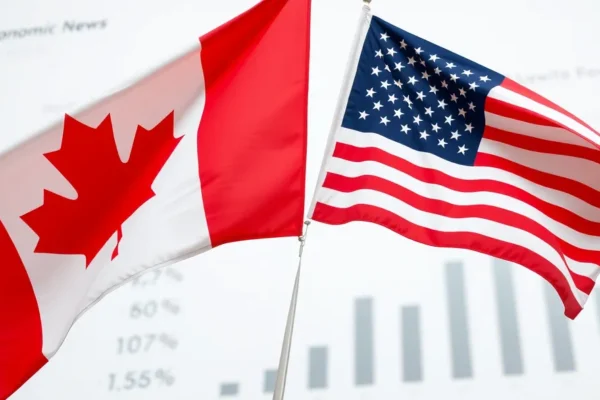
In a significant shift regarding North American trade policy, President Trump has announced a temporary halt to the proposed 50 percent tariffs on Canadian imports. The decision follows intense diplomatic negotiations between Washington and Ottawa, aimed at addressing specific concerns regarding border security and the flow of goods. This development marks a critical juncture in U.S.-Canada relations, providing a cooling-off period for industries that rely heavily on the integrated supply chains connecting the two nations.
The announcement effectively resets the clock on what had become an urgent tariff deadline, allowing both governments to pursue a more stable trade deal. By pausing these import taxes, the administration has signaled a preference for negotiated outcomes over unilateral trade barriers, at least in the short term. This move provides relief to manufacturers, energy producers, and agricultural firms that were bracing for immediate cost increases.
The Rationale Behind the Policy Pivot
From a strategic standpoint, the decision to pause Trump tariffs reflects a move toward leverage-based diplomacy rather than immediate protectionism. Trade policy is often used as a tool to gain concessions in broader negotiations, and by holding the threat of 50 percent tariffs in reserve, the U.S. government maintains significant bargaining power. The primary objective is to pressure trading partners into fulfilling specific regulatory or security requirements without triggering a full-scale trade war that could disrupt domestic markets.
The strategic analysis suggests that the administration recognizes the potential for economic self-harm. Because the U.S. and Canadian economies are deeply intertwined, a massive tariff on Canadian imports would have served as a tax on American businesses that rely on Canadian raw materials, such as lumber, aluminum, and crude oil. By pausing the action, the U.S. avoids an immediate inflationary shock while keeping the pressure on Canadian negotiators to align with American policy goals.
Competitive Dynamics and Market Positioning
The pause on these tariffs creates a complex competitive environment. American companies that compete directly with Canadian firms benefit from the uncertainty, as it forces their Northern counterparts to account for potential cost fluctuations. However, firms with cross-border supply chains are the clear beneficiaries of this reprieve. These companies can now maintain existing operational structures without the immediate need to restructure their logistics or search for alternative, potentially more expensive suppliers.
From an international trade perspective, this move positions the United States as a tough negotiator that is nonetheless willing to engage in diplomacy. Rivals and global competitors will likely view this pause as a sign that U.S. trade policy remains fluid and driven by deal-making objectives. The primary losers in this scenario are industries that were hoping for permanent protectionist measures to wall off the U.S. market from foreign competition, as the door remains open for a negotiated compromise.
Industry Implications and Sector Trends
The broader impact on North American trade is significant. Many industrial sectors, particularly automotive manufacturing and energy, operate on a just-in-time basis that requires a seamless flow of parts and materials across the border. A sudden 50 percent increase in costs would have forced a major industry-wide overhaul, likely leading to reduced margins and higher prices for consumers.
Industry peers are likely to interpret this pause as a window of opportunity to lobby for specific carve-outs in the final trade deal. We expect to see increased activity from trade associations and business groups as they attempt to shape the final terms of the agreement. This sector-wide response reflects a broader trend where companies must now engage in proactive political risk management to navigate the volatile landscape of international trade policy.
Financial and Operational Consequences
In financial terms, the pause prevents an immediate drag on corporate profitability. Analysts have noted that for many U.S. companies, Canadian imports represent a substantial percentage of total input costs. A 50 percent tariff would have required an immediate revision of earnings guidance and, in many cases, a fundamental restructuring of balance sheets to manage the increased capital requirements.
Operationally, companies can now avoid the chaotic re-routing of supply chains. In the short term, this stability is a positive signal for investor sentiment, as it mitigates the risk of a sharp decline in profit margins. However, in the long term, the threat remains. CFOs and supply chain managers will likely maintain contingency plans, ensuring that they can shift operations quickly if the tariff deadline is reinstated or if negotiations collapse.
Execution Risks and Strategic Challenges
The primary risk to this strategy is the uncertainty inherent in ongoing negotiations. History shows that trade deals can collapse unexpectedly if political pressures within either country shift. The administration faces the risk that a prolonged period of uncertainty might deter long-term capital investment, as companies are hesitant to commit to expansion when the cost of cross-border trade remains subject to sudden changes.
Organizational challenges also abound. Companies are struggling to plan for a future where policy changes are announced via public platforms rather than through traditional regulatory channels. This environment demands high levels of agility and the ability to pivot supply chains rapidly, which may be difficult for legacy firms with rigid operational structures. There is also the regulatory risk that even if a deal is reached, the administrative burden of complying with new, complex trade requirements could offset the benefits of avoided tariffs.
Impact on Stakeholders
The pause provides a sense of stability for employees whose jobs depend on healthy cross-border trade. For investors, the move lowers the risk premium associated with companies that have high exposure to Canadian imports. However, customers remain in a precarious position. If the ultimate trade deal involves significant compromises that increase compliance costs, these costs will eventually be passed down to the end consumer, leading to higher prices for everything from home building materials to gasoline.
Partnering firms and suppliers across the border are experiencing a shift in sentiment. While the immediate threat has been mitigated, there is lingering skepticism regarding the long-term reliability of the U.S. as a trade partner. This cultural shift in the business relationship may lead Canadian firms to look toward diversifying their customer base to markets outside of the United States to reduce their reliance on a singular, unpredictable trade partner.
Future Outlook and Strategic Next Steps
If this strategy succeeds, it will result in a modernized trade deal that addresses the security concerns raised by the administration while preserving the benefits of integrated markets. Success will be measured by the stabilization of trade volumes and a reduction in policy-related volatility. Investors and analysts should monitor the progress of specific working groups and diplomatic meetings for signs of a concrete agreement.
Key milestones include the establishment of formal trade language that satisfies the demands of both governments and the formal removal of the tariff threat. If these milestones are not reached within the next few months, market participants should anticipate a return to volatility as the tariff deadline looms once more. Monitoring these developments is essential for any firm with significant exposure to North American trade.
Strategic Questions and Answers
Will this pause in Trump tariffs lead to a permanent solution?
While the pause provides breathing room, a permanent solution depends on the successful navigation of complex security and economic negotiations. Analysts remain cautious, as the fundamental issues that triggered the tariff threat have not yet been fully resolved.
Why did the administration choose a pause instead of full implementation?
Strategic analysis suggests that the administration is using the threat of tariffs as a bargaining tool. Full implementation would likely trigger immediate economic blowback in the U.S., whereas a pause keeps the pressure on Canada while allowing for a diplomatic win.
How does this affect the cost of Canadian imports for American businesses?
For now, the status quo remains, and businesses avoid the immediate 50 percent cost increase. However, the long-term risk of increased prices remains, as any final trade deal will likely include provisions that adjust how these goods are taxed or regulated.
What are the risks if negotiations for a new trade deal stall?
If negotiations fail, the administration could reinstate the tariffs with little notice. This would lead to significant market volatility, potentially hurting the profitability of companies that rely heavily on Canadian imports.
How should investors view this development?
Investors should see this as a temporary mitigation of risk. While the immediate threat is gone, the underlying uncertainty surrounding U.S.-Canada relations remains, suggesting that companies with high trade exposure should be approached with caution until a formal deal is ratified.
All business strategies and outcomes discussed in this analysis are subject to execution risk, political uncertainty, and changing macroeconomic conditions. No strategy guarantees success, and market participants should remain vigilant regarding the evolving nature of international trade policy.











