

A New Way to Look at Our Digital Lives
Have you ever spent an hour scrolling through your favorite social media apps only to feel more alone than when you started? It is a strange paradox of the modern age. We are more connected than ever before, yet many of us feel a growing sense of isolation. This is exactly the problem that Twitch CEO Dan Clancy is highlighting in his recent discussions about the state of the internet.
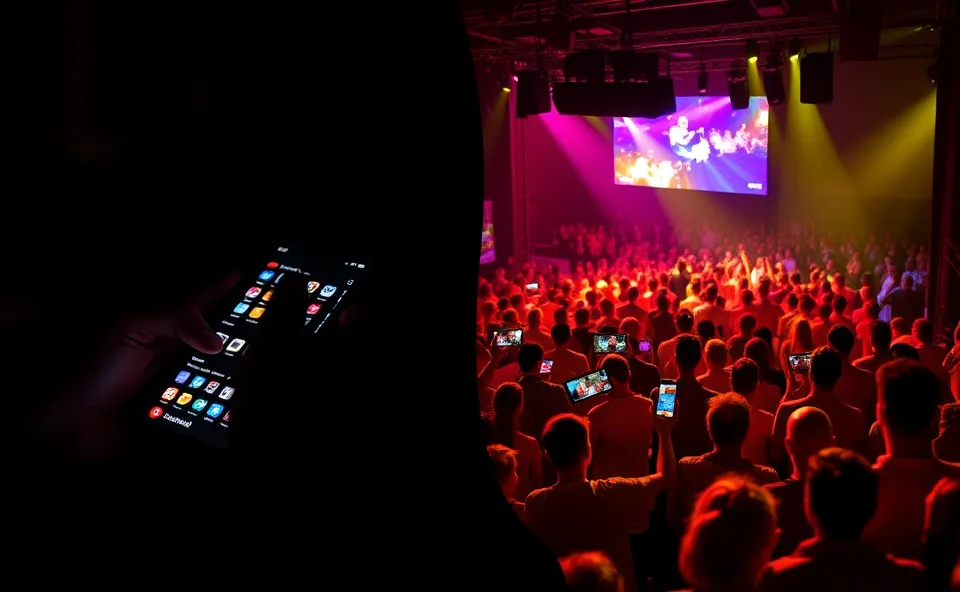
Clancy has been vocal about a major shift in how we use technology. He suggests that much of what we call social media has actually become quite antisocial. Instead of bringing people together, these platforms often encourage us to sit in silence and watch a curated, polished version of someone else’s life. It is a one way street where you consume content, but you rarely participate in a meaningful way. This realization is sparking a massive conversation about the difference between mere digital presence and true human connection.
According to Clancy, the magic happens when the barrier between the creator and the viewer disappears. This is where livestreaming takes center stage. Unlike a pre-recorded video on a traditional platform, a live stream is happening right now, in real time. It is messy, it is unpredictable, and most importantly, it is interactive. When a viewer types a message in a chat and the streamer reads it out loud, a tiny spark of real connection occurs. That moment is something a static photo or a polished video simply cannot replicate.
Why We Are All Feeling a Little Lonely Online
You might be wondering why this topic is suddenly everywhere. Why are people talking about the antisocial nature of our digital habits right now? The answer lies in a growing sense of fatigue. For years, the goal of digital platforms was to make everything look perfect. We saw the best vacations, the best meals, and the most successful moments. While this was entertaining, it created a culture of comparison rather than a culture of community.
People are searching for something more authentic. There is a visible movement away from the highly edited “influencer” lifestyle and toward something much more raw. This shift is driven by several key factors:
- The Fatigue of Perfection: Users are tired of seeing lives that look impossible to achieve. It creates a sense of inadequacy rather than inspiration.
- The Need for Real Time Interaction: In a world where everything feels automated, seeing a person react to a live event feels incredibly grounding.
- The Search for Belonging: People are no longer satisfied with just “following” someone. They want to be part of a group that shares their interests.
This is why internet trends are leaning heavily toward live formats. We are moving away from the era of the “spectator” and entering the era of the “participant.” We do not just want to watch a show; we want to be part of the conversation. This desire for digital connection that feels real is what is driving the massive interest in platforms that prioritize live interaction.
From Static Posts to Real Time Talk
To understand where we are going, we have to look at where we started. The history of the internet has been a long journey toward increasing speed and decreasing latency. In the early days, social interaction was slow. You would post a message on a forum and wait hours or days for a reply. Then came the era of the status update and the photo upload. These were huge leaps forward, but they were still essentially “asynchronous.” This means there was a gap between the action and the reaction.
The rise of livestreaming changed the fundamental math of the internet. It turned the web from a library of static content into a living, breathing room full of people. Twitch, which is owned by Amazon, has been at the forefront of this revolution. What started as a niche way for people to watch others play video games has evolved into a massive ecosystem of music, cooking, art, and just plain conversation.
This evolution was made possible by massive investments in infrastructure. Amazon provided the backbone that allowed millions of people to broadcast high quality video with almost zero delay. Without that technical foundation, the dream of a massive, real time online community would have been impossible. We have moved from a world of “look at this” to a world of “let’s do this together.”
The Ripple Effect on Business and Creators
The shift toward live, interactive content is not just a change in how we spend our free time. It is a massive disruption to the entire economy of content creation. For a long time, the business model for creators was simple: get views, get followers, and sell ads. But as we have seen, ads alone often fail to build a loyal base. They are intrusive and can feel disconnected from the content itself.
Livestreaming introduces a much more powerful way to build a business through audience engagement. Instead of a one size fits all advertising model, creators can now build direct, supportive relationships with their fans. This has led to several significant impacts:
- Direct Monetization: Fans can support their favorite creators directly through subscriptions, tips, and digital goods. This makes the relationship feel more like a partnership.
- Niche Communities: Instead of trying to appeal to everyone, creators can build incredibly deep connections with small, dedicated groups of people.
- Brand Authenticity: Companies are realizing that they cannot just run a commercial and expect results. They need to engage with communities in a way that feels natural and helpful.
For businesses, this means the old playbook is dead. You cannot simply broadcast a message to a crowd and expect them to listen. You have to join the conversation. The value is no longer in the size of the audience, but in the depth of the connection you have with them. This is a fundamental change in how marketing and brand building work in the digital age.
What Comes Next for the Digital World
As we look toward the horizon, it seems clear that the trend toward “live” and “interactive” is only going to accelerate. We are likely to see technology that makes these connections feel even more personal. Imagine a world where virtual reality allows you to feel like you are sitting in the same room as a streamer, or where artificial intelligence helps manage massive chats so that every single person feels heard.
However, this growth will likely come with a new set of challenges. As online communities grow larger, maintaining that sense of intimate human connection will become harder. Platforms will have to find a balance between being massive enough to be profitable and small enough to feel like home. We might see a move toward smaller, more private “micro-communities” where the quality of interaction is prioritized over the quantity of viewers.
Ultimately, the goal of the next generation of the internet seems to be solving the loneliness problem. If the first era of social media was about showing the world who we are, the next era will be about finding the people who truly understand us. The companies that succeed will be the ones that stop trying to keep us scrolling and start trying to keep us connecting.
Common Questions About the Future of Connection
How is the Twitch CEO changing the view on social media?
The Twitch CEO is shifting the focus from passive consumption to active participation. He argues that traditional social media can be antisocial because it is often one way and highly curated, whereas livestreaming encourages real time, two way interaction that builds actual community.
Why is livestreaming better for human connection?
Livestreaming allows for real time responses and spontaneous moments. This immediacy creates a sense of shared experience. When creators interact directly with their viewers, it breaks down the wall between the performer and the audience, fostering a stronger sense of human connection.
What role does Amazon play in the growth of Twitch?
As the parent company of Twitch, Amazon provides the massive technological infrastructure needed to host millions of simultaneous live broadcasts. This support allows for the high speed, low latency connection that is essential for a successful online community to thrive.
How does audience engagement work in online communities?
Audience engagement in a live setting is much more dynamic than on other platforms. It involves real time chat, live polls, and direct shout outs. This level of interaction turns viewers from silent observers into active members of the content creation process.
What are the current internet trends in content creation?
Current internet trends show a move away from highly polished, edited videos toward raw, live, and authentic content. There is a growing demand for “the real thing” rather than a perfect version of reality, which is driving the rise of live interaction across the web.











