

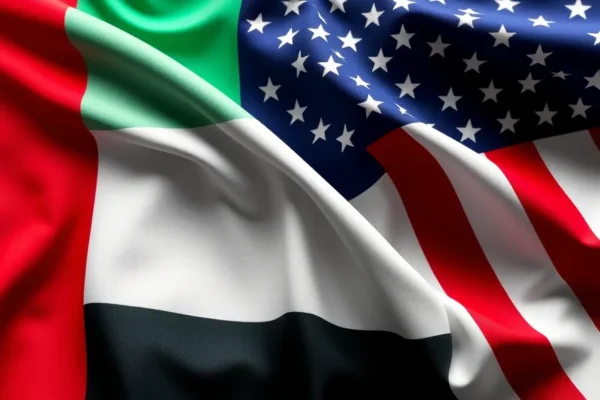
How the UAE Became a Top Friend of Washington in the Middle East
You know how some friendships just click? Well, the relationship between the United Arab Emirates and the United States is a bit like that, but on a much bigger scale, involving billions of dollars and a whole lot of smart moves. The UAE has really stepped up its game, using its financial muscle and sharp diplomatic skills to become a really important partner for Washington in the Middle East. It’s a story about smart strategy and building trust, turning a regional player into a key ally.
Why Are We Talking About This Now?
It’s no surprise that people are curious about this strong bond. In today’s fast changing world, alliances matter more than ever. When a country like the UAE, with its growing economic power and strategic location, actively works to strengthen ties with a superpower like the US, it’s a big deal for everyone watching Middle East politics. This isn’t just about one country; it’s about how countries build influence and shape global events. People are searching for this because understanding these relationships helps us make sense of what’s happening in the region and beyond.
A Look Back: Laying the Groundwork
To truly get why the UAE and the US are such good partners now, we need to rewind a bit. The UAE, formed in 1971, has always had big ambitions. From its early days, it focused on building a strong economy, diversifying away from just oil, and becoming a modern nation. This forward thinking created a stable and prosperous environment. On the other side, the US has long had a strategic interest in the Middle East, ensuring stability and access to energy resources. Over the years, the two countries found common ground. Security was a major driver; the US saw the UAE as a reliable partner in a complex region, and the UAE benefited from US security assurances and military technology. But it wasn’t just about military might. The UAE also started investing in American businesses and infrastructure, creating economic links that went beyond government agreements. Think of it as planting seeds for a future that would benefit both sides.
The Big Picture: What This Means for Everyone
So, what’s the real impact of this deep alliance? For starters, it means greater stability in a region that has seen its share of turmoil. When the UAE and the US work together, it sends a clear signal to other players. This partnership isn’t just about defense; it’s also about economic cooperation. The UAE’s investments in the US create jobs and opportunities here at home. Think about the flow of capital, the tech collaborations, and the tourism. For businesses, this strong US-UAE relationship opens doors. It makes trade smoother and provides a more predictable environment for investment. For technology, it means opportunities for sharing advancements and collaborating on innovation, from AI to renewable energy. It’s a win win, creating a ripple effect that touches economies and even influences global trends. This isn’t just about governments shaking hands; it’s about building a framework for prosperity and security that benefits many.
What’s Next on the Horizon?
Looking ahead, the UAE’s approach to strengthening its alliance with Washington is likely to continue evolving. We can expect to see a continued focus on diversification of the UAE’s economy, which naturally leads to deeper engagement with the US in areas like technology and finance. Diplomatic strategies will likely remain sophisticated, with the UAE continuing its efforts to build bridges and find common ground on regional issues. This might involve more collaboration on humanitarian initiatives or joint efforts to address global challenges like climate change. From a business perspective, this stable partnership means continued opportunities for American companies looking to expand into the Middle East, and for UAE businesses looking to invest in the US. The focus will probably remain on strategic partnerships that offer mutual benefit, ensuring that the alliance remains robust and adaptable to future challenges. It’s a relationship built on shared interests and a clear understanding of how to leverage each other’s strengths.
Your Questions Answered
What makes the UAE a strong Middle East ally for Washington?
The UAE’s strategic location, its significant financial resources, its proactive diplomatic engagement, and its willingness to partner on security and economic initiatives make it a highly valued Middle East ally for Washington. They’ve consistently shown they can be a reliable partner in a volatile region.
How has UAE diplomacy helped build US-UAE relations?
Through consistent engagement, open dialogue, and a focus on shared interests, UAE diplomacy has played a crucial role. They actively participate in international forums, host high level delegations, and work collaboratively on regional security and economic development, strengthening overall US-UAE relations.
What role do Gulf state influence and financial diplomacy play in this alliance?
Gulf state influence, particularly from the UAE, is significant because of its economic power and strategic importance. Financial diplomacy, through investments and economic partnerships, is a key tool the UAE uses to solidify its alliances. This approach creates mutual economic dependence and fosters stronger political ties with countries like the US.
How does this partnership fit into broader Middle East politics and American foreign policy?
This strong alliance between the UAE and the US is a cornerstone of American foreign policy in the Middle East. It provides a stable anchor in the region, counters influence from adversarial states, and promotes economic and security interests. In the complex landscape of Middle East politics, this partnership helps shape regional dynamics.
What are the benefits of these strategic partnerships for the UAE and the US?
Strategic partnerships like the one between the UAE and the US offer immense benefits. For the UAE, it means enhanced security, economic diversification, and increased global influence. For the US, it provides a key partner for regional stability, access to vital markets, and a platform for projecting influence. These collaborations also often spur innovation and technological advancement.











