

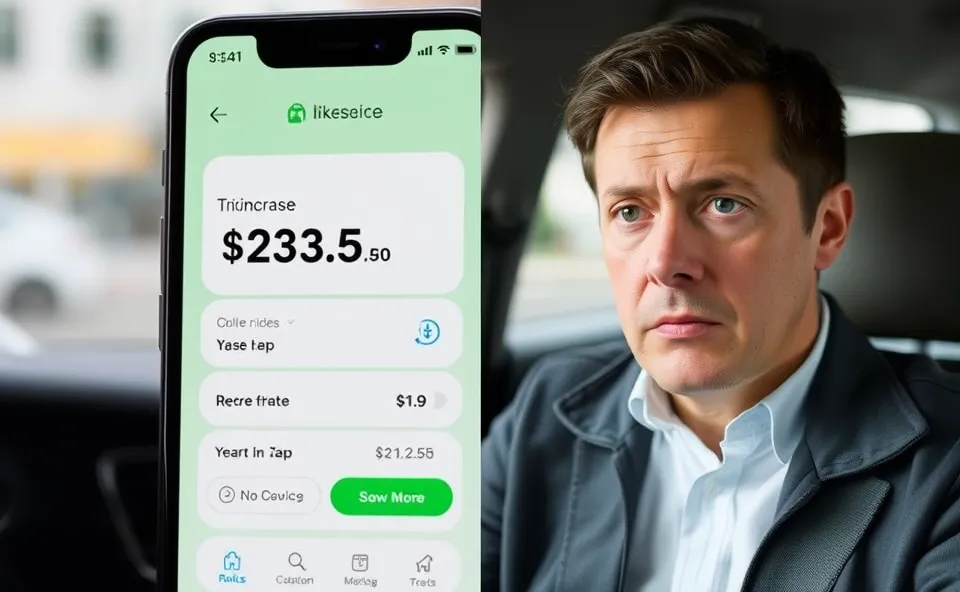
The AI Magic Behind Your Uber and Lyft Fares
Ever hopped into an Uber or Lyft and noticed the price seemed… a bit surprising? Sometimes it’s lower than you expect, and other times, whoa, it jumps up! That’s not random. It’s actually a really clever system powered by Artificial Intelligence, or AI, that Uber and Lyft use to figure out the best price for your ride in real time. Think of it like a super smart brain constantly crunching numbers to make sure there are enough cars when you need them and that drivers are rewarded for being available during busy times.
Why Are We Talking About This Now?
You’re probably seeing more buzz about Uber and Lyft’s AI pricing because it’s a really hot topic. As more of us rely on these ride-sharing services for our daily commutes and nights out, understanding how our money is being spent is becoming more important. People are curious about the technology behind these everyday services and how it directly affects their wallets. It’s about getting transparency into the algorithms that influence our transportation choices and, frankly, our budgets.
A Little History on How Rides Became Smarter
Before AI took the wheel, ride-sharing was a simpler game. When Uber and Lyft first started, prices were generally more fixed. But as these companies grew and demand fluctuated wildly, they needed a better way to manage supply and demand. If it was raining, everyone wanted a ride home at the same time, but there weren’t enough drivers. Or, during a major event, demand would skyrocket. They needed a system that could adapt instantly.
This is where dynamic pricing, often called surge pricing, came in. Initially, it might have been based on simpler rules. But to truly nail it, they started using AI. This AI isn’t just looking at one thing; it’s a complex web of factors:
- Demand: How many people are requesting rides in a specific area right now?
- Supply: How many Uber and Lyft drivers are available in that same area?
- Time of Day: Rush hour is different from 3 AM on a Tuesday.
- Day of the Week: Friday night is busier than Sunday morning.
- Special Events: Concerts, sports games, or even bad weather can create sudden spikes.
- Traffic Conditions: Getting stuck in traffic affects ride duration and driver availability.
The AI constantly analyzes all this information, learning patterns and predicting future needs. It’s like having thousands of mini market analysts working for you every second, adjusting prices to keep the system running smoothly. This algorithmic pricing helps ensure that even when demand is high, there’s a good chance you’ll still find a ride, though it might cost a bit more. And when things are quiet, prices can drop, making it a great deal for riders.
What This AI Pricing Means for You and the Ride-Sharing World
For us as riders, the biggest impact of Uber and Lyft’s AI dynamic pricing is, of course, rider costs. You’ve probably experienced “surge pricing” firsthand. When demand is high, the price goes up. This is the AI trying to balance the scales. Higher prices incentivize more drivers to get on the road or to head to busier areas, which in turn helps meet that surge in demand. So, while it can sting your wallet, it also generally means you can find a ride when you really need one.
On the flip side, during off-peak hours or in less busy areas, the AI might lower prices. This encourages more people to take rides, which is good for consumers and helps keep drivers busy. It’s a constant dance between keeping customers happy with affordable rides and making sure there are enough drivers to provide the service.
From a business perspective, this AI in pricing is a game changer. It allows Uber and Lyft to operate efficiently on a massive scale. It helps them manage their networks, predict demand, and optimize driver earnings. For the technology itself, it’s a prime example of AI being used to solve real-world logistical problems and influence market behavior in a dynamic way.
This algorithmic pricing also fosters a more fluid transportation market. It’s not a static system; it’s constantly adapting. This can lead to more efficient use of vehicles and potentially less congestion if pricing nudges people towards rides during off peak times.
Where Might This Ride-Sharing Pricing Go Next?
Looking ahead, it’s likely that Uber and Lyft will continue to refine their AI pricing models. We might see even more sophisticated predictions, perhaps factoring in micro-events or even personal travel habits more directly, though privacy concerns would be a big consideration there.
The goal will always be to strike that delicate balance: keeping rider costs reasonable enough to encourage consistent use, while ensuring drivers are fairly compensated and motivated to be available. We could also see more transparent ways for users to understand why prices are what they are, perhaps with clearer explanations within the app itself.
Another area of development could be integrating this dynamic pricing with other transportation options. Imagine a future where the app suggests not just a ride, but a combination of public transport and a short Uber ride, with pricing factored in to give you the best overall value and time.
Ultimately, the trend is towards smarter, more adaptive pricing that benefits both riders and drivers, all powered by increasingly capable AI.
Common Questions About Uber, Lyft, and AI Pricing
What is dynamic pricing for Uber and Lyft?
Dynamic pricing, often called surge pricing, is how Uber and Lyft use AI to adjust ride costs based on real-time demand and supply. When many people want rides and there aren’t enough drivers, prices go up. When demand is low, prices can go down.
How does AI help Uber and Lyft with surge pricing?
AI analyzes vast amounts of data like the number of riders requesting trips, available drivers, time of day, traffic, and even local events. This helps Uber and Lyft predict demand and supply imbalances, allowing their pricing algorithms to adjust fares automatically to encourage more drivers to come online or head to busier areas.
Does AI make my Uber or Lyft ride more expensive?
Yes, AI can make your ride more expensive during periods of high demand, which is what surge pricing is all about. However, it can also lead to lower prices during off-peak times. The goal of the AI is to balance the market, not just to increase prices.
Is the dynamic pricing on Uber and Lyft fair to riders?
This is a frequent discussion. While higher prices can feel unfair, the dynamic pricing system aims to ensure that rides are available when you need them, even during busy times. Without it, you might not be able to find a ride at all. The AI tries to create a market where supply meets demand.
What are the benefits of Uber and Lyft using AI for pricing?
For Uber and Lyft, AI in pricing allows for efficient network management and helps ensure service availability. For riders, it means a greater chance of finding a ride, especially during peak hours, and potentially lower fares during off-peak times. For drivers, it can mean higher earnings during busy periods.











