

A Tiny Machine, A Giant Shift
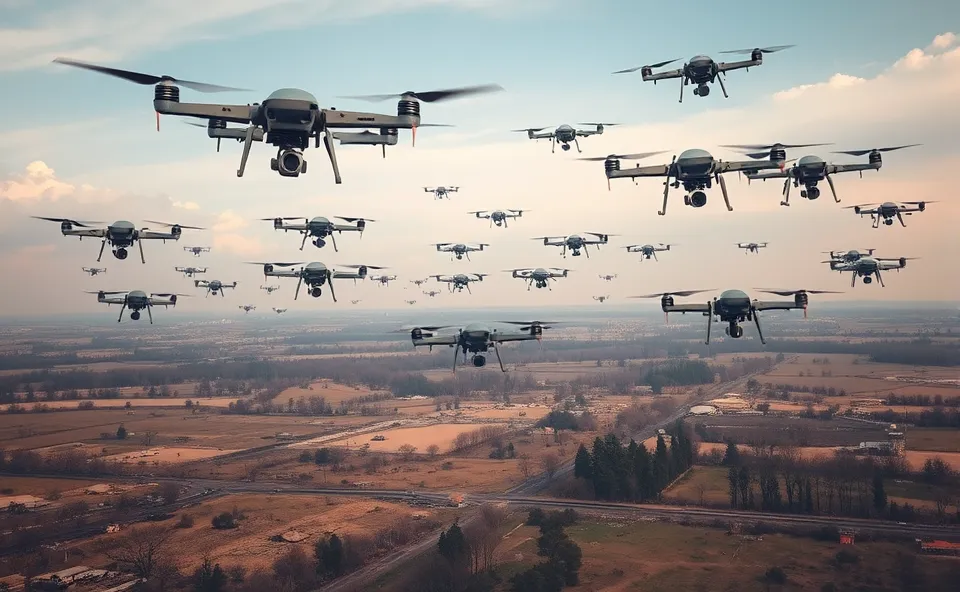
Remember a while back when things looked pretty grim for Ukraine? The initial invasion was brutal, and many thought the scales were tipping heavily in Russia’s favor. But then, something unexpected started happening. It wasn’t a single, massive army maneuver or a new superweapon appearing overnight. Instead, it was a swarm of small, buzzing machines: drones. Ukraine’s mass production of these unmanned aerial vehicles UAVs has quietly, but powerfully, turned the tide of the war. What was once a desperate defense has evolved into a dynamic, and at times, surprising counter-offensive, largely thanks to this explosion in drone warfare.
Why All the Buzz About Ukraine’s Drones Now?
You’re probably hearing a lot about Ukraine drones these days because the world is witnessing a profound shift in how wars are fought, and Ukraine is leading the charge. For years, the idea of widespread drone use in conflict was more science fiction than reality. But Ukraine’s wartime production has made this a tangible, everyday occurrence on the battlefield. This isn’t just a military story; it’s a story about rapid military innovation and how a nation under siege can leverage technology to its advantage, fundamentally altering battlefield dynamics. It’s captured global attention because it offers a glimpse into the future of modern warfare and the surprising effectiveness of distributed, agile defense technology.
From Early Struggles to Drone Dominance
Let’s rewind a bit. When Russia invaded, Ukraine faced a much larger, better equipped military. The initial shock and the scale of the assault left many, both inside and outside Ukraine, wondering how long the country could hold out. Resources were stretched thin, and traditional defenses were being tested to their limits. This was a low point, a moment where the sheer might of the aggressor seemed overwhelming. However, Ukraine had a secret weapon brewing, one that didn’t require massive factories or decades of development. They had a growing pool of talented engineers and a desperate need for innovative solutions. They started experimenting, adapting, and, crucially, mass producing drones. These weren’t just for reconnaissance; they became instruments of attack, surveillance, and logistics. This shift from being on the defensive to actively challenging Russian positions with these aerial assets was the turning point. It was a testament to their ingenuity and their ability to scale up production of critical defense technology when it mattered most.
The Ripple Effect of Ukraine’s Drone Revolution
The impact of Ukraine’s success with drones is far reaching. For Ukraine, it means a more adaptable and less costly way to conduct operations. Drones can scout enemy positions, guide artillery, disrupt supply lines, and even conduct direct strikes, all with a lower risk to human life compared to traditional infantry assaults. This has given them a significant strategic advantage, allowing them to operate effectively even when outnumbered or outgunned in certain areas.
For the world of military technology, this is a wake-up call. It demonstrates that the future of modern warfare isn’t just about expensive, high-tech jets and tanks. It’s also about accessible, versatile, and mass-producible UAVs. Businesses involved in drone manufacturing and related software are seeing a surge in interest and investment. Geopolitical shifts are also at play. The effectiveness of Ukraine’s drone strategy is forcing other nations to re-evaluate their own defense capabilities and consider how they can integrate similar technologies. It’s a clear indicator that agility and innovation can often trump sheer size and established military doctrine. This is a fundamental change in battlefield dynamics, proving that technological adaptation can be a powerful equalizer.
What’s Next on the Drone Horizon?
Looking ahead, the widespread adoption of drone warfare, as pioneered by Ukraine, is likely to accelerate. We can expect to see continued advancements in drone capabilities, including improved AI for autonomous operations, longer flight times, and more sophisticated payloads. Ukraine’s success will undoubtedly inspire other nations to invest heavily in their own drone programs, potentially leading to new arms races in this specific domain.
Businesses will continue to innovate, developing new platforms and countermeasures. We might also see a greater emphasis on drone swarming technology, where multiple drones work together to achieve a common objective, much like the current Ukrainian approach. It’s also probable that nations will focus more on the defense against drones, creating new technologies to detect and neutralize them. This constant evolution of both offense and defense in drone warfare suggests a future where these aerial machines are an integral part of any military’s toolkit, shaping not just how conflicts are fought, but also how global security is perceived.
Your Drone War Questions Answered
What are Ukraine drones and why are they important?
Ukraine drones are unmanned aerial vehicles UAVs that Ukraine has been producing and deploying in large numbers during the conflict. Their importance lies in their versatility, allowing for reconnaissance, surveillance, and attack missions. They have significantly boosted Ukraine’s military capabilities and helped them turn the tide of the war against a larger adversary by providing a cost-effective and adaptable defense technology.
How has drone warfare changed the conflict in Ukraine?
Drone warfare has dramatically altered the battlefield dynamics in Ukraine. Ukraine’s mass production of drones has enabled them to conduct operations with reduced risk to personnel, gather crucial intelligence, and directly engage enemy forces. This has given them a strategic advantage and allowed them to adapt quickly to changing circumstances, proving the effectiveness of modern warfare tactics centered on UAVs.
What kind of military innovation is seen in Ukraine’s drone production?
Ukraine’s drone production showcases impressive military innovation, particularly in its ability to rapidly scale up manufacturing and adapt existing technologies for combat. They have focused on creating affordable, effective drones that can be produced domestically, reflecting a trend towards decentralized and agile defense technology. This wartime production effort highlights a significant shift in how military needs are met.
What is the broader impact of Ukraine’s drone success on global defense technology?
The success of Ukraine drones has had a profound impact on global defense technology. It has proven the viability and effectiveness of widespread drone deployment in modern warfare, prompting other nations to re-evaluate and invest in their own UAV programs. This is leading to geopolitical shifts and accelerating the development of new offensive and defensive drone capabilities worldwide.
How does Ukraine’s approach to drone manufacturing differ from traditional military production?
Ukraine’s approach to drone manufacturing emphasizes speed, adaptability, and cost-effectiveness, often leveraging private sector innovation and simpler designs. This contrasts with traditional military production, which can be slower, more expensive, and focused on large, complex systems. Ukraine’s experience demonstrates the power of rapid wartime production of essential defense technology, allowing for quicker deployment and iteration based on battlefield feedback.











