

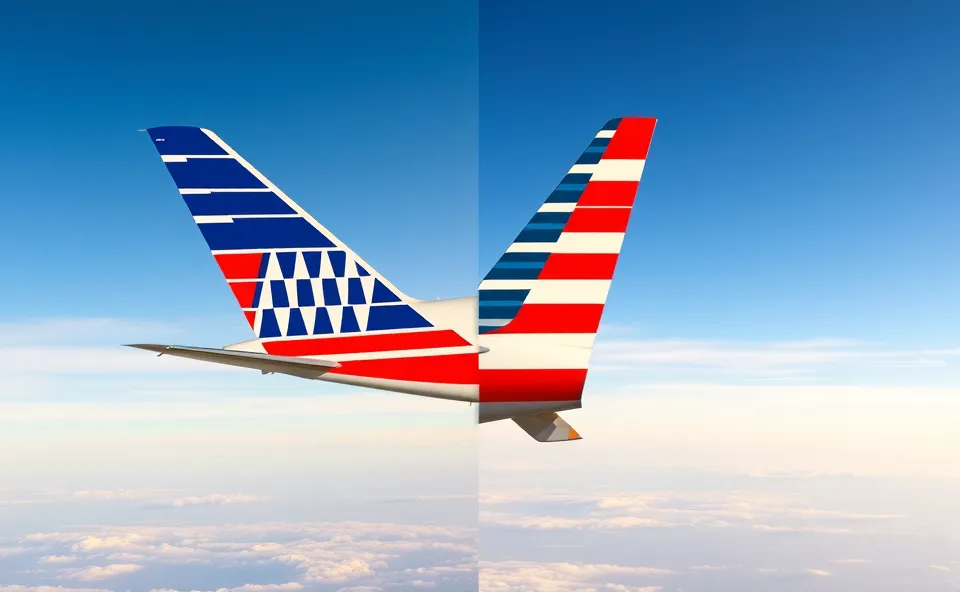
A Bold Move: United’s CEO Envisions a Mega-Airline
Here’s some big news buzzing in the skies: United Airlines’ CEO, Scott Kirby, has reportedly floated the idea of a massive merger with its main competitor, American Airlines. Imagine that – two of the biggest names in flying joining forces to create the absolute largest airline in the world. It’s a bold proposal that’s got everyone in the aviation industry talking. This isn’t just about two companies; it’s about potentially reshaping the entire travel industry as we know it.
Why Are We Hearing About This Now?
This kind of talk doesn’t just pop up out of nowhere. The aviation industry is constantly navigating choppy waters, dealing with everything from fuel costs to new technologies and traveler demands. Scott Kirby’s suggestion comes at a time when airlines are always looking for ways to be more efficient, more competitive, and better positioned for whatever the future holds. The recent discussions signal a significant moment of reflection and strategic thinking for these giants. It’s a move that hints at a desire to not just survive, but to lead in an evolving landscape. People are searching for this because it represents a potential seismic shift in how we travel and what options might be available to us.
A Look Back at Airline Alliances
This isn’t the first time we’ve seen major airlines consider joining forces. The airline industry has a history of consolidation. Think back to the early 2000s and the years that followed. We saw a wave of mergers that dramatically changed the landscape. For instance, after 9/11, airlines faced immense financial pressure, leading to significant industry consolidation. Delta merged with Northwest, United merged with Continental, and American Airlines merged with US Airways. These deals were often driven by the need to cut costs, increase efficiency, and gain market share in a highly competitive and capital intensive business. So, while the idea of United and American merging might seem shocking now, it’s actually part of a larger trend of industry consolidation that has been shaping the aviation world for decades. Understanding this past helps us grasp the potential significance of the current rumors.
What This Giant Leap Could Mean
If a United Airlines and American Airlines merger were to happen, the impact would be far reaching.
- For Travelers: On the surface, you might worry about fewer choices and potentially higher prices. However, proponents of such mergers often argue that increased efficiency can lead to better service, more destinations served, and potentially more competitive pricing on certain routes in the long run. It could also mean a more seamless travel experience if loyalty programs and networks were integrated. Imagine easier connections and fewer headaches when flying between cities.
- For the Aviation Industry: This airline merger would create an undisputed industry leader, significantly altering the competitive dynamics for other major carriers like Southwest and perhaps even international airlines. It could set the stage for further industry consolidation or push competitors to innovate and differentiate themselves more aggressively. Technology adoption could also be influenced, with a larger entity potentially having more resources to invest in new aircraft, digital platforms, and operational improvements.
- For the Market: Financially, such a merger would represent a monumental deal, requiring significant regulatory approval. It could signal investor confidence in the long term viability of a consolidated airline model, or it could raise concerns about market power and antitrust issues. The sheer scale of such an operation means it would have ripple effects across the broader transportation sector.
What Comes Next for These Airlines?
Predicting the future is tricky, especially with complex corporate strategies. However, if Scott Kirby’s proposal is seriously considered, several steps would logically follow. First, there would be extensive internal discussions and evaluations within both United Airlines and American Airlines. This would involve detailed financial analysis, operational assessments, and strategic planning.
Next, and crucially, would be the regulatory hurdle. Any potential merger of this magnitude would face intense scrutiny from antitrust authorities in the United States and potentially other countries. Regulators would be looking closely at how such a combination would affect competition, consumer prices, and the overall health of the travel industry. This review process can be lengthy and complex, often involving conditions or modifications to the deal.
If regulatory approval is secured, the integration process would be a massive undertaking. Merging two large organizations involves combining fleets, routes, reservation systems, loyalty programs, employees, and company cultures. This is a multiyear project that requires careful planning and execution to minimize disruption for passengers and employees alike. It’s a marathon, not a sprint, and the success of such a merger would depend heavily on how smoothly this integration is managed.
Your Questions Answered
Here are some common questions about the United Airlines and American Airlines merger discussions:
What is the main reason behind the United Airlines CEO proposing a merger with American Airlines?
The primary driver is likely a desire for industry consolidation and increased competitiveness. By joining forces, Scott Kirby and United Airlines could be looking to create the largest airline globally, aiming for greater operational efficiencies, cost savings, and a stronger market position to navigate the complexities of the modern aviation industry.
How would an airline merger between United Airlines and American Airlines affect airfares for consumers?
This is a key concern. While some argue that increased efficiency from an airline merger could lead to better value, others worry about reduced competition potentially leading to higher prices. Regulators would carefully examine this aspect to ensure fair market practices.
What are the potential challenges of merging United Airlines and American Airlines?
The challenges are substantial. They include navigating complex regulatory approval processes, integrating vastly different company cultures and operational systems, managing a large workforce, and ensuring a seamless experience for millions of travelers. It’s a massive undertaking for any competitor analysis.
Has the aviation industry seen large airline mergers before?
Yes, the aviation industry has a history of significant consolidation. Several major airlines in the United States have merged over the past couple of decades, leading to the current landscape of fewer, but larger, carriers. This background is important for understanding the current airline news.
What is the current status of the United Airlines and American Airlines merger talks?
The current information suggests that the idea has been proposed by United’s CEO. However, it is a proposal, and there would need to be significant discussions, due diligence, and agreement from both companies, as well as regulatory approval, for any actual merger to occur.











