

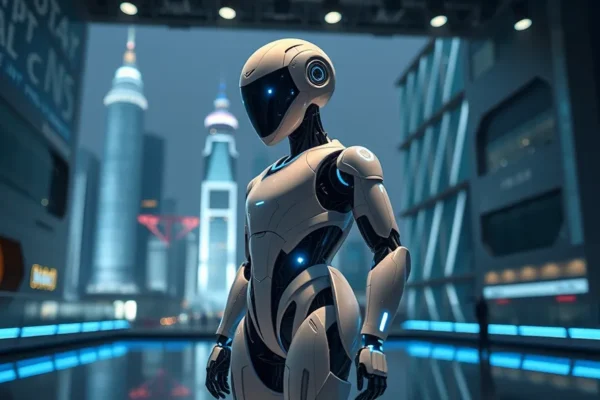
The Next Leap in Robotics: Unitree Wows Shanghai with its Humanoid Robot
Alright, so imagine this: a slick, shiny humanoid robot, moving with an almost uncanny grace, right there on a stage in Shanghai. That’s pretty much what happened recently when Unitree, a name you might know in the world of robotics, showed off their latest creation. They put their brand new humanoid robot through its paces, and let me tell you, it was a big deal. This wasn’t just a few steps here and there; we saw it handle tasks, navigate its environment, and generally act like a capable, next-generation machine. It’s the kind of demonstration that makes you stop and think about where we’re heading with technology.
Why the Buzz Around This Unitree Humanoid Robot Now?
So, why is everyone suddenly talking about a Unitree humanoid robot demonstration in Shanghai? It’s a perfect storm of factors. First off, the pace of development in robotics technology is accelerating at an incredible rate. We’re past the clunky, purely industrial robots. The dream of a truly versatile humanoid robot that can work alongside us, or even in places humans can’t easily go, is getting closer. Unitree has been building a reputation for pushing boundaries, and this latest reveal shows they’re serious contenders in that race. Plus, Shanghai is a massive hub for tech innovation, so a debut there automatically puts a spotlight on the advancements. It’s timely because the world is looking for practical applications for artificial intelligence and advanced engineering, and this demonstration offered a compelling glimpse of that future.
A Look Back: Unitree’s Journey to This Moment
To truly appreciate this Shanghai tech debut, it helps to know a little about Unitree’s story. They didn’t just appear overnight. Unitree has been a significant player, especially known for their advanced quadruped robots, those four-legged machines that can run, jump, and traverse difficult terrain. Think of those amazing videos of robots that look like dogs but can do incredible feats. They’ve consistently focused on creating robots that are not only powerful but also relatively agile and dynamic. This focus on dynamic movement and intelligent control for their four-legged robots has clearly laid a strong foundation for their foray into humanoid engineering. It’s like they’ve mastered walking and running on four legs, and now they’re taking that expertise and applying it to standing and walking upright. This background gives their latest humanoid robot demonstration a lot more weight, showing a clear progression of their technical capabilities.
What This Means: Shifting Gears in Automation and Beyond
This Unitree humanoid robot demonstration isn’t just cool tech; it has real implications. For businesses, especially in areas like industrial automation, this could mean a significant shift. Imagine robots that can finally step out of cages and work in more varied, less structured environments. Humanoid robots, by their very design, are meant to operate in spaces built for humans, potentially opening up new possibilities for logistics, manufacturing, and even service industries. For consumers, it might be a while before we have one in our homes, but the progress in artificial intelligence and autonomous robots demonstrated here is what will eventually power a wide range of helpful technologies. On a broader scale, it’s a testament to ongoing tech innovation, showing that the ambitious goal of creating robots that can perform complex tasks with human-like dexterity is becoming a reality. It pushes the whole field of robotics technology forward, encouraging more investment and more brilliant minds to tackle the challenges ahead.
Looking Ahead: The Road for Unitree and Humanoid Robots
So, what’s next for Unitree and this impressive humanoid robot? Well, after a successful Shanghai tech debut, the logical next step is further refinement and real-world testing. We’ll likely see more demonstrations focusing on specific applications, perhaps in controlled industrial settings first. The company will be working on making these robots more robust, more intelligent, and more cost-effective. The integration of advanced artificial intelligence will be key, enabling them to learn, adapt, and make decisions in complex situations. As they refine their humanoid engineering, we might see specialized versions emerge for different industries. It’s not about replacing humans, but about augmenting our capabilities and taking on tasks that are dangerous, repetitive, or simply beyond our reach. The journey of any new technology is long, but Unitree’s latest outing suggests they’re firmly on the path towards making advanced humanoid robots a practical reality.
Your Questions Answered About Unitree’s Humanoid Robot
What is the primary goal of Unitree’s new humanoid robot?
The primary goal appears to be demonstrating Unitree’s advanced robotics technology and their capability in humanoid engineering. They aim to showcase a highly agile and capable humanoid robot that can perform various tasks, signaling their ambition in the growing market for autonomous robots.
How does this humanoid robot demonstration in Shanghai position Unitree in the market?
This Shanghai tech debut firmly positions Unitree as a significant contender in the global robotics industry, particularly in the advanced humanoid robot space. It highlights their technical innovation and signals their intent to compete with established players in areas like industrial automation and beyond.
What kind of artificial intelligence is powering these Unitree robots?
While specific details are often proprietary, it’s understood that these advanced humanoid robots are powered by sophisticated artificial intelligence algorithms that enable complex motion planning, environmental perception, and task execution. This includes AI for balance, navigation, and interaction.
Are Unitree’s humanoid robots intended for consumer use or industrial applications?
Currently, the focus for Unitree’s humanoid robot developments seems to be geared more towards industrial automation, research, and specialized applications where their advanced capabilities can be most impactful. Consumer adoption is likely a longer-term vision.
What makes Unitree’s approach to humanoid robots stand out from other companies?
Unitree’s standout feature often lies in their proven expertise in dynamic locomotion, honed through their successful development of agile quadruped robots. This background in creating robots that can move with exceptional agility and balance is a strong foundation for their humanoid engineering, setting them apart.











