

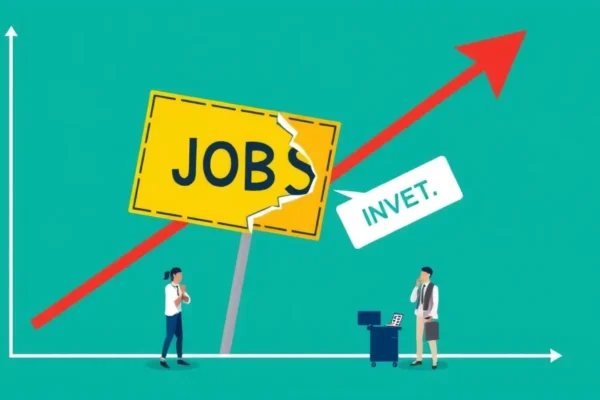
A Surprising Turn in the Labor Market
For a while now, the US economy has felt like a train chugging along at a steady, reliable speed. We have been conditioned to see reports of steady growth and low unemployment. That is exactly why the latest July jobs report caught so many people off guard. Instead of the usual modest gains we have come to expect, the data showed a sudden and unexpected dip in hiring. It was one of those moments where the numbers on the screen did not quite match the narrative everyone had been following.
When we talk about job losses, we are not just looking at a dry spreadsheet of statistics. We are looking at a signal that the landscape is shifting. After months of showing incredible resilience, the labor market finally blinked. This cooling effect suggests that the businesses powering our country are feeling a bit more cautious about their next steps. It is a stark reminder that even the most robust economic cycles eventually hit a point of friction.
Why Everyone is Suddenly Paying Attention
You might have noticed a sudden spike in people searching for information about the US economy and the recent jobs report. There is a reason for that collective anxiety. When the labor market shifts this quickly, it creates a domino effect that touches everything from the tech stocks in your retirement account to the interest rates on a potential home loan. People are digging for answers because they want to know if this is a temporary hiccup or the beginning of a deeper trend.
In our current digital age, news travels fast, but context travels slowly. Traders and everyday investors are scrambling to figure out if the sky is falling or if this is just a natural cooling period. Everyone is trying to get ahead of the story because they understand that when the engine of the economy starts to sputter even a little, the repercussions are felt by almost everyone.
Putting the Recent Data into Perspective
To understand why this July data matters, we have to look at where we have been. For the past year or so, the Federal Reserve has been working overtime to keep inflation under control. Their primary tool in this effort has been raising interest rates. The goal was always to slow things down just enough to cool prices without breaking the back of the economy. For a long time, it seemed like they were pulling off a perfect balancing act.
For months, the jobs report remained a pillar of strength. We saw consistent growth, and unemployment stayed at historic lows. This allowed the Fed to keep rates high because the economy could clearly handle the pressure. But economic policy is rarely a straight line. By keeping rates elevated for so long to fight inflation, the Fed was inevitably putting stress on businesses. The latest data is the first real sign that this weight is starting to show on the labor market. We are now in a phase where the previous decisions made to stabilize prices are finally meeting the reality of hiring budgets.
What This Means for Your World
The immediate impact of this data is a major shift in how financial markets view the road ahead. If the economy is slowing down, there is no longer a need to keep interest rates as high as they have been. This realization is changing the conversation in boardrooms and trading floors alike. For businesses, this means the cost of borrowing might stop rising, or perhaps even fall, which is good for growth but bad if it is happening because demand is cratering.
For the average person, the implications are just as personal. If you are looking for a job, you might notice that companies are becoming more selective. If you are a business owner, you might be rethinking your expansion plans. The labor market acts as a heartbeat for the broader economy. When that heartbeat slows, businesses tighten their belts, tech startups face tougher funding rounds, and consumer confidence often takes a hit. We are moving into a period where businesses are prioritizing stability over aggressive growth.
Where Do We Go From Here
So, what does this mean for the next few months? The most logical conclusion is that we are likely to see a shift in the Fed rate hikes strategy. If the labor market continues to soften, the Fed will likely pivot away from holding interest rates high and instead focus on protecting jobs. They have a dual mandate, after all, to keep prices stable and to encourage maximum employment.
We should expect more volatility in the short term. Traders will react to every new piece of economic data, trying to guess when exactly the Fed will pull the lever on lower rates. While nobody can predict the future with perfect accuracy, the signs point toward a more cautious environment. The goal for the rest of the year will be to see if the economy can find a soft landing, or if these job losses are the precursor to a more challenging economic period. Staying informed and flexible will be the best strategy for anyone navigating these waters.
Frequently Asked Questions
What does the recent jobs report tell us about the current state of the US economy?
The July jobs report indicates that the labor market is cooling down. While it does not necessarily signal a total collapse, it shows that the previous strength we observed is beginning to fade as businesses react to sustained economic pressure.
How do job losses influence the future path of Fed rate hikes?
When job losses increase, the Federal Reserve often feels more pressure to lower interest rates. The logic is that lower rates will make it cheaper for businesses to borrow money, which in turn encourages them to hire more people and stimulate growth.
Why are traders so focused on the July jobs data?
Traders watch the labor market closely because it is a leading indicator for the broader health of the financial markets. Unexpected job losses can lead to rapid price swings in stocks and bonds as investors adjust their expectations for future interest rates.
Is the current unemployment trend a sign of a major recession?
While the recent job losses are a concern, they are just one data point. Economists look at a variety of factors beyond the unemployment rate, such as consumer spending and manufacturing output, to determine if we are heading toward a recession. It is a signal of caution, but not definitive proof of a downturn.
How can investors prepare for changes in the economic outlook?
Navigating the economy requires keeping a close eye on the latest economic data and Fed statements. A balanced approach that accounts for potential volatility is usually the best bet, as markets tend to fluctuate whenever the central bank changes its stance on interest rates.











