

The US Economy Took a Breather in Late 2023
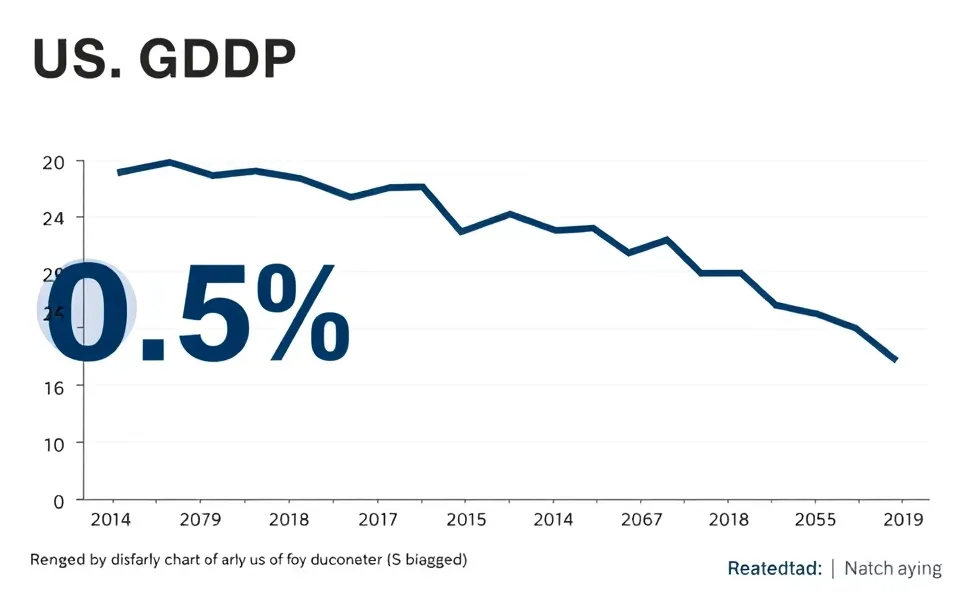
So, imagine the US economy is like a runner. We all expected it to sprint through the end of last year, but it turns out it took a more measured pace. The latest numbers from the Commerce Department show that the US economy grew at a 0.5% annual rate in the fourth quarter. This is a bit slower than what they initially thought, and definitely a step back from the stronger growth we saw earlier in the year. Think of it like this: the initial reports were like saying the runner was on fire, really pushing the pace. Now, the revised figures are saying, “Okay, they were moving fast, but maybe not quite that fast.” It’s not a bad number on its own, but it signals a shift in the economic momentum as we wrapped up 2023.
Why Are We Talking About This Now?
You’re hearing about this revised GDP growth because these official numbers are the bellwethers for the health of the national economy. When the government releases its first estimate, it’s a snapshot. But economics is a complex beast, and sometimes those early snapshots need a little retouching. The Commerce Department is always refining its data as more information comes in. This particular revision is catching attention because it’s a noticeable adjustment from the initial, more optimistic picture. People are looking at these revised figures to get the clearest possible understanding of the US economy’s actual performance and to see if this signals a broader trend.
Putting the Latest GDP Revision in Perspective
To really get why this 0.5% fourth quarter GDP growth matters, let’s look back a bit. For much of 2023, the US economy showed surprising resilience. Many folks were bracing for a slowdown, maybe even a recession, given the high interest rates and inflation concerns. But the opposite happened. Consumer spending held up, businesses kept investing, and the job market remained robust. This led to a stronger than anticipated GDP growth rate for much of the year. The initial estimates for the fourth quarter reflected some of that ongoing strength. However, as more data points are collected and analyzed, including things like inventory levels and trade balances, the picture sometimes sharpens and reveals areas that weren’t as dynamic as first thought. This GDP revision is part of that natural refinement process. It doesn’t erase the strong performance of the year overall, but it does provide a more precise measurement of how the economy ended it.
What Does This Mean for You and Me?
This revised 0.5% US economy growth rate might sound like just numbers, but it has real-world implications. For businesses, it means a potentially less robust customer base than previously anticipated. If consumer spending is growing at a slower pace, companies might adjust their expansion plans, hiring, or investment in new technology. For job seekers, it could mean the market remains competitive, but perhaps not as red hot as it was looking. It suggests that companies might be more cautious about adding new roles if they don’t see the same level of demand they expected.
From a consumer perspective, while a slower economy doesn’t immediately mean disaster, it can contribute to a feeling of less economic optimism. It might influence decisions about big purchases, like a car or a house, if people perceive a cooling in economic activity. On the technology front, companies that rely on robust consumer spending or business investment might see a more tempered demand for their products and services. This could mean a shift in focus towards efficiency or more essential offerings.
Essentially, this revision tells us that the economic slowdown, or at least a significant deceleration, was more present in the final months of the year than the first read suggested. It’s a signal to pay closer attention to the details of economic performance.
Looking Ahead: What’s Next for the National Economy?
So, what does this 0.5% growth revision suggest for the future? It’s not a cause for alarm, but it’s definitely a cue for careful observation. This revised figure might indicate that the economy is indeed responding to the higher interest rates that the Federal Reserve has put in place to combat inflation. When borrowing becomes more expensive, both consumers and businesses tend to spend and invest less, naturally slowing down economic growth.
This could mean that the “soft landing” scenario, where inflation comes down without a major recession, might be playing out, but with a gentler slope than initially hoped. The focus now shifts to the first quarter of this year. Will we see a rebound, or will this slower pace continue? Analysts will be watching key indicators like consumer confidence, inflation data, and employment figures very closely.
It’s also possible that certain sectors of the US economy are performing better than others. For instance, technology or green energy might continue to see robust growth, even if broader consumer spending is moderating. The key takeaway is that the economic engine might be running a bit cooler, which could mean a more balanced, though perhaps less exhilarating, period ahead. Businesses and policymakers will likely be recalibrating their strategies based on this evolving economic landscape.
Frequently Asked Questions About the US Economy
What is the latest GDP growth rate for the US economy?
The latest revised figures from the Commerce Department show the US economy grew at a 0.5% annual rate in the fourth quarter of last year. This is a downward revision from earlier estimates.
Why is the fourth quarter GDP revision important?
The fourth quarter GDP revision is important because it gives a more accurate picture of the national economy’s performance as 2023 concluded. It helps economists and businesses understand the actual pace of economic activity and adjust their outlooks accordingly.
What does a 0.5% GDP growth rate mean for the US economy?
A 0.5% GDP growth rate signifies a slower pace of economic expansion compared to previous estimates and earlier in the year. It suggests that the US economy might be cooling down, potentially in response to higher interest rates and other economic factors.
How does this GDP revision affect current economic performance?
This GDP revision indicates that the economic slowdown observed in the fourth quarter was more pronounced than initially reported. It prompts a reevaluation of the nation’s overall economic performance and may influence future business and consumer decisions.
What are the implications of this revised US growth rate for the future?
The revised US growth rate suggests a period of potentially more moderate economic expansion. It implies that businesses and policymakers will need to remain adaptable, closely monitoring inflation and consumer spending trends as the economy navigates this phase.











