

A Significant Shift for Your Home Wi-Fi
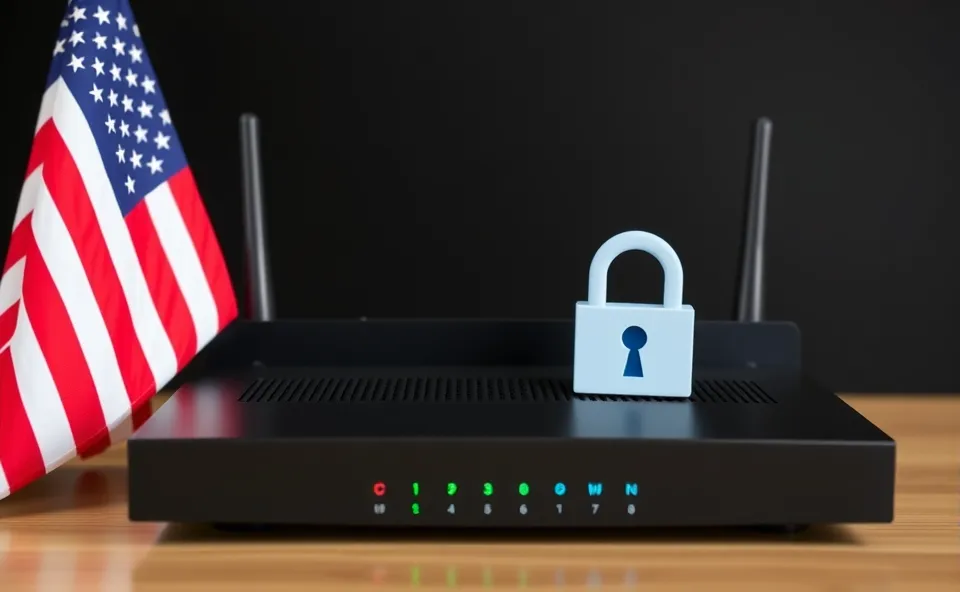
Ever thought much about where your home Wi-Fi router comes from? For most of us, it’s just a box that makes the internet happen. But recently, the Federal Communications Commission, or FCC, made a move that puts the spotlight squarely on these essential devices. They’ve effectively put a new US router ban in place, specifically targeting certain foreign-made consumer routers.
In simple terms, the FCC has updated its rules to prevent the sale and import of networking gear that they deem a national security threat. This isn’t a blanket ban on all foreign routers you might find in stores, but it’s a very clear signal. It focuses on equipment from companies previously identified by the government as posing an unacceptable risk to America’s critical infrastructure. Think of it as a proactive step to keep our home networks, and by extension, our digital lives, safer.
Why We’re All Talking About Router Security Now
You might be wondering why this particular topic is bubbling up right now. It feels sudden, but it’s actually the latest chapter in a long-running story about digital safety. In today’s connected world, our Wi-Fi routers are the gatekeepers to everything from our smart refrigerators to our banking apps. The idea that these devices could have hidden vulnerabilities, or even deliberate backdoors, is unsettling.
People are increasingly aware of cybersecurity threats and the potential for foreign adversaries to use everyday technology against us. We’ve seen headlines about data breaches and hacks, making everyone a bit more cautious. The FCC foreign router ban is a direct response to these growing concerns, aiming to close a potential pathway for foreign governments or bad actors to access our private information or disrupt our communications. It’s a reflection of a broader conversation happening around US tech policy and how we protect our digital borders.
The Road to Stronger Wi-Fi Security
To really understand this new consumer router ban, it helps to look back a little. This isn’t the first time the US government has expressed concerns about foreign-made telecommunications equipment. For years, there’s been a growing unease about specific companies, particularly from countries like China, manufacturing the backbone of our digital infrastructure. The argument has always been about potential espionage or sabotage, not just of government systems, but of everyday networks.
Initially, this concern focused on large-scale equipment used by internet service providers, like 5G base stations. However, experts realized that a home router, while seemingly small, can be just as vulnerable. Imagine if someone could remotely control millions of home routers across the country. They could launch massive cyberattacks, steal personal data, or even shut down parts of the internet. This is where the concept of national security routers comes into play. The government’s concern has gradually moved from protecting big corporate networks to safeguarding the individual Wi-Fi connection in your living room.
The FCC has been working on this for some time, looking at the entire supply chain security for electronic devices. They’ve heard from security experts about the inherent Wi-Fi security risks associated with untrusted hardware and software. This new rule is a logical next step in their effort to mitigate those risks and ensure the integrity of the devices that form our digital foundation.
What the Router Ban Means for Your Home and Wallet
So, what does this actually mean for you, the average consumer, or for the businesses that bring these devices to market? The immediate impact of the networking gear ban might feel a bit abstract, but it has real-world consequences:
- For Consumers: You might notice a shift in the brands available on store shelves or online. Some of the most budget-friendly foreign-made routers could disappear from the market. This could mean slightly higher prices for new routers, as trusted brands might not always match the rock-bottom prices of the now-banned equipment. However, the upside is significantly enhanced security. You can have more confidence that your new router isn’t harboring hidden vulnerabilities.
- For Businesses: Manufacturers and retailers who previously sourced equipment from banned entities will need to adjust their consumer electronics import strategies. This creates opportunities for companies that are already on the trusted list or for new players who can meet the stricter FCC regulations. It also puts pressure on the industry to be more transparent about their supply chains and security practices.
- For Technology: This ban will likely accelerate innovation in secure networking technology. There will be a greater emphasis on features like secure boot, regular firmware updates, and robust encryption. Companies will need to prove their devices meet stringent security standards, which ultimately benefits everyone using the internet.
- For the Market: We could see a shift in market dominance. Brands that were on the restricted list will lose their US market access, opening doors for others. It encourages a more diverse and secure ecosystem for Wi-Fi hardware.
Ultimately, this consumer router ban is a trade-off: potentially less choice or slightly higher prices in exchange for a much stronger defense against global cybersecurity threats. It’s about building a more resilient and trustworthy internet infrastructure from the ground up, starting with your home network.
Looking Ahead: The Future of Your Home Network
This FCC foreign router ban is unlikely to be the final word on the matter. It’s part of an ongoing evolution in how governments and consumers approach digital security. We can expect to see several trends emerge from this development:
- Increased Scrutiny: The spotlight on supply chain security for all kinds of electronics is likely to intensify. This means not just routers, but potentially other smart home devices, will come under closer examination.
- “Trusted” Tech Emphasis: There will be a stronger push for “Made in America” or “Trusted Ally” hardware. This aims to build confidence by sourcing from countries with robust security standards and transparent manufacturing processes.
- Consumer Education: Expect more resources and information to help consumers understand what makes a router secure. The conversation will move beyond just speed and range to focus on security features and manufacturer reputation.
- Global Ripple Effect: Other countries, observing the US router ban and its rationale, might consider similar measures to protect their own national security and critical infrastructure.
The goal is to create a digital environment where the fundamental devices connecting us to the internet are secure by design. This will require continuous vigilance, adaptation from manufacturers, and an informed approach from consumers. It’s a significant step toward a safer, more resilient digital future for everyone.
Your Top Questions About the Router Ban, Answered
What exactly is the US router ban?
The US router ban refers to new FCC regulations that prevent the sale and import of specific foreign-made consumer Wi-Fi routers and other networking gear from companies deemed a national security threat. It’s not a ban on all foreign routers, but a targeted measure against identified risky manufacturers.
How does this affect my existing foreign-made router?
This ban primarily affects future sales and imports. If you already own a foreign-made router from a company on the banned list, you can generally continue to use it. However, it’s always a good idea to ensure your router has the latest firmware updates for optimal security, regardless of its origin.
Why did the FCC implement this consumer router ban?
The FCC implemented the consumer router ban to protect national security. The concern is that routers from certain manufacturers could contain vulnerabilities or backdoors that foreign governments or malicious actors could exploit to spy on Americans, steal data, or disrupt internet services, posing significant cybersecurity threats.
Will this ban make my Wi-Fi truly secure from cybersecurity threats?
While the FCC foreign router ban is a major step in enhancing security by removing untrusted hardware, no single measure makes your Wi-Fi “truly” 100% secure. Good cybersecurity also depends on strong passwords, regular software updates, and safe browsing habits. It’s a critical foundation, but not the only layer of protection.
What should I look for when buying a new router after the FCC foreign router ban?
When buying a new router, look for reputable brands with a strong history of security and regular firmware updates. Prioritize features like WPA3 encryption, secure boot, and a manufacturer committed to transparency and robust security practices. The ban aims to make it easier to find more secure options in the market.











