

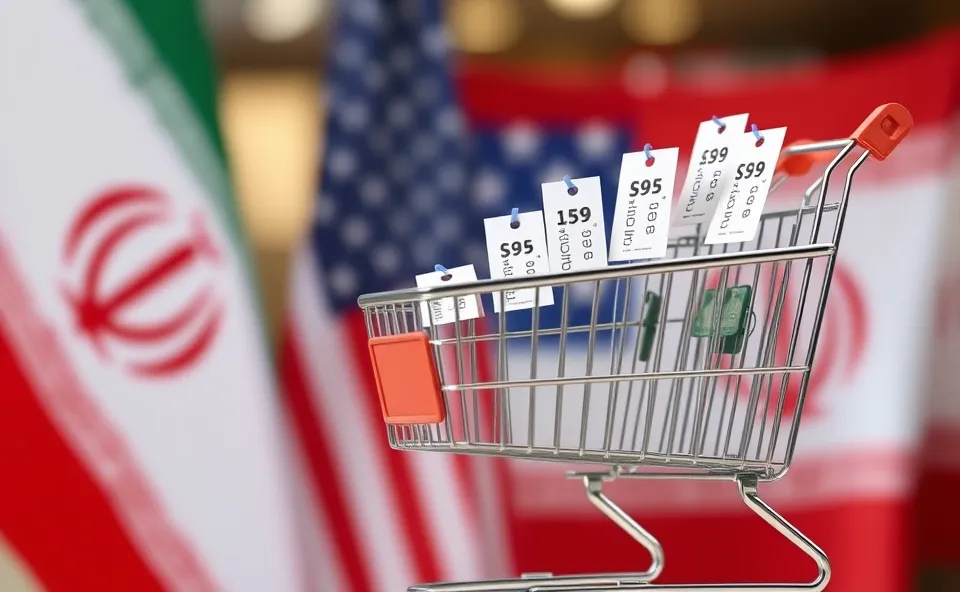
Why Tensions Abroad Are Touching Your Grocery List
You have probably noticed that your weekly trip to the supermarket feels a lot more expensive lately. While we often look for local reasons like seasonal harvests or supply chain hiccups, the reality is that the global economy is a giant, interconnected web. Right now, a lot of that conversation is centered on the US-Iran conflict and how these geopolitical tensions are creating ripples that eventually reach our dinner tables.
At its core, the situation involves a complex standoff that threatens stability in the Middle East. When nations are at odds, it creates uncertainty in the markets. Since a massive portion of the world’s energy flows through vital shipping lanes in that region, any threat to those routes makes businesses nervous. When the cost of moving goods increases, or when the risk of trading becomes too high, the price of everything from shipping containers to the fuel used to transport your groceries starts to climb. It is a domino effect that starts on the other side of the world and ends with a higher total on your receipt at checkout.
Understanding the Current Buzz Around Food Costs
If you have been searching for information about why prices are jumping, you are certainly not alone. People are feeling the pinch and looking for answers. The reason this topic is trending is simple: food price inflation is one of the most visible indicators of global economic health. When people notice their favorite cereal or cooking oil costing more, they naturally start digging into the news to figure out why.
There is a growing public awareness that geopolitical events are no longer just distant news stories for political analysts. They are personal issues that affect household budgets. Because the US-Iran conflict involves major oil-producing regions, people are correctly linking the cost of fuel to the cost of food. If it costs more to power the trucks and ships that deliver our supplies, it is inevitable that those costs get passed down to the consumer. This ripple effect has turned a complex international situation into a common dinner table topic.
How We Got Here
To understand why this matters now, it helps to look at the historical context of global food supply chains. For decades, the global economy has relied on relatively stable trade routes. We have grown accustomed to being able to buy produce from all over the world at any time of the year. However, that system relies heavily on peace and open channels of communication.
The Middle East has always been the heart of the global energy supply. Even small spikes in tension in this region historically cause oil prices to fluctuate. Since the mid-twentieth century, energy markets have acted as a thermostat for the broader economy. If oil prices rise due to international friction, the cost of manufacturing, packaging, and transporting almost every consumer good rises too. The current situation is simply the latest chapter in a long history where political instability directly influences the cost of living for everyday families.
The Real Impact on Your Wallet
So, what does this actually mean for your day-to-day life? The economic impact is felt through a steady rise in grocery costs. It is rarely a single, massive jump, but rather a slow, painful climb in prices across the store. When we talk about how the US-Iran conflict influences food price inflation, we are really talking about the cost of logistics. Shipping food—especially fresh produce and grains—requires a massive amount of fuel. When energy markets react to instability, that expense trickles down through the entire supply chain.
Beyond fuel, there is the psychological side of the market. Businesses are cautious. When companies worry about potential disruptions, they may pay more to stockpile supplies or secure their own routes. These extra costs are integrated into the price of the goods you buy. For the average consumer, this means your dollar does not stretch as far as it used to. It creates a situation where you might have to shift your habits to manage rising grocery costs without sacrificing your quality of life.
Navigating the Future of Food Spending
While we cannot control geopolitical tensions, we can certainly change how we approach our personal finance tips to stay ahead of the curve. The future is always hard to predict, but we can assume that global markets will continue to react to international developments. The best way to handle this is to focus on what you can manage at home.
Here are a few actionable strategies to help you save money on groceries during uncertain times:
- Focus on seasonal and local: Buying produce that is in season and grown closer to home reduces your reliance on long, expensive international supply chains.
- Embrace bulk buying: Buying non-perishable staples like rice, beans, and pasta in larger quantities can help you hedge against price increases over time.
- Reduce food waste: Being more intentional about how you use what you buy is one of the easiest ways to save. Every bit of food you throw away is essentially wasted money.
- Try store brands: Private label items often use the same ingredients as name brands but without the high marketing costs, making them a great tool for inflation hedging.
- Meal planning: Planning your meals around what is on sale rather than what you feel like eating in the moment can lead to significant monthly savings.
The goal is not to live in fear of the markets, but to be smart about your spending. By building a little more flexibility into your budget and being mindful of how global events touch your daily life, you can protect your savings regardless of what happens on the global stage.
Frequently Asked Questions
How does the US-Iran conflict specifically influence food price inflation?
The conflict contributes to economic uncertainty, which often leads to higher oil prices. Since agriculture and food distribution depend on fuel for transportation and processing, higher energy costs directly translate into higher grocery store prices.
Is the current trend of rising grocery costs temporary?
It is hard to say for sure, as global food supply stability is tied to many moving parts. While some costs may level off, it is a smart move to adopt budgeting strategies that help you manage higher prices in the long term.
What are the best personal finance tips to save money on groceries?
Focus on unit pricing, reduce your reliance on processed convenience foods, and get comfortable with meal prepping. Using a list and sticking to it is the most effective way to avoid impulse buys that drive up your total bill.
Are there specific food items most affected by geopolitical tensions?
Items that require significant shipping and processing, such as imported grains, certain cooking oils, and out-of-season produce, are usually the first to see price spikes when fuel costs rise due to international friction.
How can I practice effective inflation hedging at home?
Inflation hedging at home is all about resource management. By stocking up on pantry staples when they are on sale and minimizing waste, you create a buffer against sudden market changes that impact the cost of your essential goods.











