

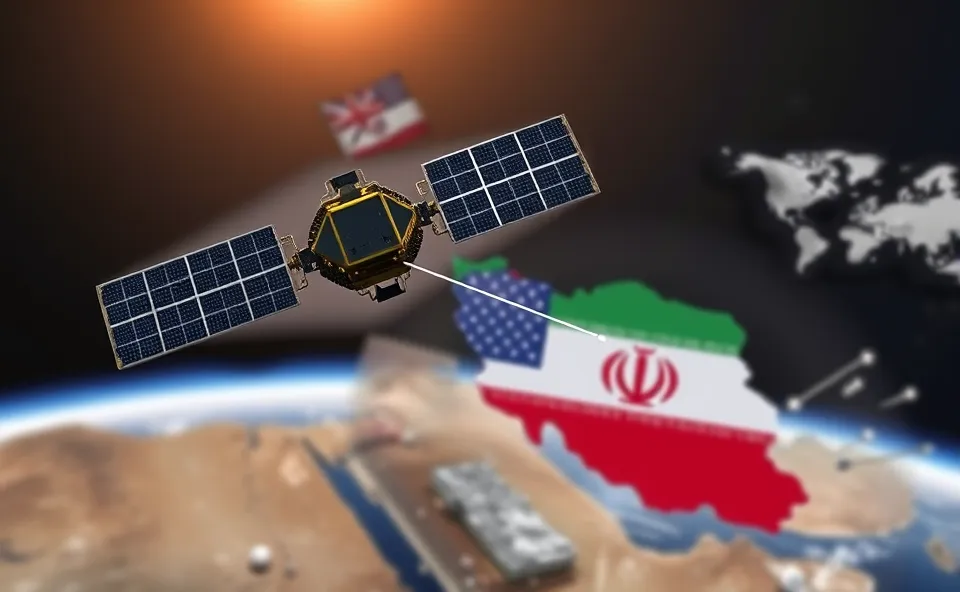
When Reaching the Moon is Easier Than Reaching Iranians Online
It sounds wild, doesn’t it? We’re living in an age where sending rockets to the moon and beyond is becoming almost routine. Yet, getting reliable internet access to people in Iran feels like an uphill battle, a frustrating paradox that journalist Jason Rezaian recently highlighted. He pointed out this stark contrast: we can launch sophisticated technology into the vastness of space, but bridging the digital divide for Iranians is proving incredibly complex. This isn’t just about a few people not being able to scroll through social media; it’s about information access, human rights, and the very fabric of connectivity in the 21st century.
Why the Buzz About US Iran Internet Access Right Now?
You might be wondering why this particular topic is trending. Recent events and conversations, like the one sparked by Jason Rezaian, have brought renewed attention to the challenges surrounding US Iran internet access. As discussions about internet freedom and the role of US foreign policy in shaping online access for people in countries like Iran gain traction, more people are searching to understand the complexities. It’s a growing concern for those who believe in the power of information and the right to connect, and it brings the issue of Iran internet into sharper focus for a global audience.
A Look Back: The Long Road to Connectivity
To truly grasp why getting Iranians online is so difficult, we need to understand the history. For decades, the relationship between the United States and Iran has been complicated. This has led to a series of US sanctions and policies that, intentionally or not, have created significant hurdles for technological exchange and infrastructure development within Iran. Think of it like building a bridge: if the main suppliers are restricted from sending materials, the construction grinds to a halt. This applies to technology too. Companies that could provide advanced internet infrastructure or services are often hesitant or legally unable to do so due to these sanctions. Beyond that, the Iranian regime itself has implemented its own forms of censorship and control over the internet. This creates a double layer of difficulty: external political and economic pressures combined with internal control measures. It’s a complex web that has restricted the flow of information and technology for years.
The Real World Ripples of Limited Internet Access
So, what does this all mean for people, businesses, and the broader landscape of information access? For ordinary Iranians, limited and controlled internet access means being cut off from a world of information and communication. It affects their ability to learn, to connect with loved ones abroad, to access educational resources, and even to participate in global conversations. Imagine trying to do your homework or start a business when your access to the internet is slow, unreliable, or heavily monitored. This creates a significant digital divide, not just within Iran but between Iran and the rest of the world.
For businesses, both inside and outside Iran, the impact is also substantial. Companies looking to engage with the Iranian market find it challenging to establish digital presences or offer services. Conversely, Iranian entrepreneurs struggle to reach global customers or adopt new technologies that could boost their growth. It stifles innovation and economic opportunity.
From a technology diplomacy perspective, this situation presents a significant challenge. The ideal scenario is that technology fosters understanding and connection. However, when technology becomes a tool for division or control, it undermines these broader goals. It raises questions about how the US and other nations can effectively promote internet freedom and information access in regions where political tensions are high and the digital infrastructure is already constrained. The challenge isn’t just about technical solutions; it’s deeply intertwined with geopolitical realities.
What Might the Future Hold for Iran Internet?
Looking ahead, the path to greater internet access for Iranians is likely to remain intricate. We’ll probably see continued efforts by advocates and some governments to find ways around sanctions for humanitarian technology, focusing on providing tools that promote information access and communication. This could involve supporting the development of circumvention technologies or exploring specific exemptions within existing policies.
Simultaneously, the internal situation within Iran will continue to play a crucial role. Any shifts in the Iranian regime’s approach to internet control and censorship would have a profound impact on connectivity. It’s a delicate balance: external pressures and internal policies interacting to shape the future of Iran internet.
We might also see a greater focus on what is sometimes called technology diplomacy. This means using technological tools and partnerships not just for economic gain, but as a means to foster dialogue, understanding, and to support human rights. The goal would be to find creative solutions that respect sovereignty while also championing principles of open information access. It’s a long game, and progress will likely be incremental, but the desire for greater connectivity remains a powerful force.
Frequently Asked Questions About US Iran Internet Access
Why is US Iran internet access a complex issue?
US Iran internet access is complex due to a combination of factors, including US sanctions, Iran’s internal internet censorship policies, and the geopolitical relationship between the two countries. These elements create significant barriers to technological exchange and the widespread availability of reliable internet services for Iranians.
How do US sanctions affect Iran’s internet?
US sanctions can indirectly affect Iran’s internet by limiting the country’s access to certain technologies, hardware, and software. Companies might be restricted from providing advanced internet infrastructure or services to Iran, and financial transactions related to technology imports can also be complicated, impacting the overall development and quality of Iran’s internet infrastructure.
What is the impact of Iran censorship on its citizens?
Iran censorship significantly restricts citizens’ access to information, freedom of expression, and communication. It can limit their ability to engage with global news, academic research, social networks, and diverse viewpoints, thereby creating an information divide and impacting personal and professional development.
How does the digital divide impact Iranians?
The digital divide in Iran, exacerbated by limited internet access and censorship, means many citizens are excluded from the vast benefits of the digital age. This can hinder educational opportunities, economic growth, access to healthcare information, and the ability to participate in global digital communities and economies.
What role can technology diplomacy play in improving information access in Iran?
Technology diplomacy can explore avenues for promoting internet freedom and information access in Iran. This might involve advocating for humanitarian technology exemptions to sanctions, supporting initiatives that enhance connectivity, or fostering dialogue about digital rights and standards. The aim is to use technology as a tool for positive engagement and to support human rights, even amidst political challenges.











