

When the Middle East Simmers: US Iran and Recent Strikes
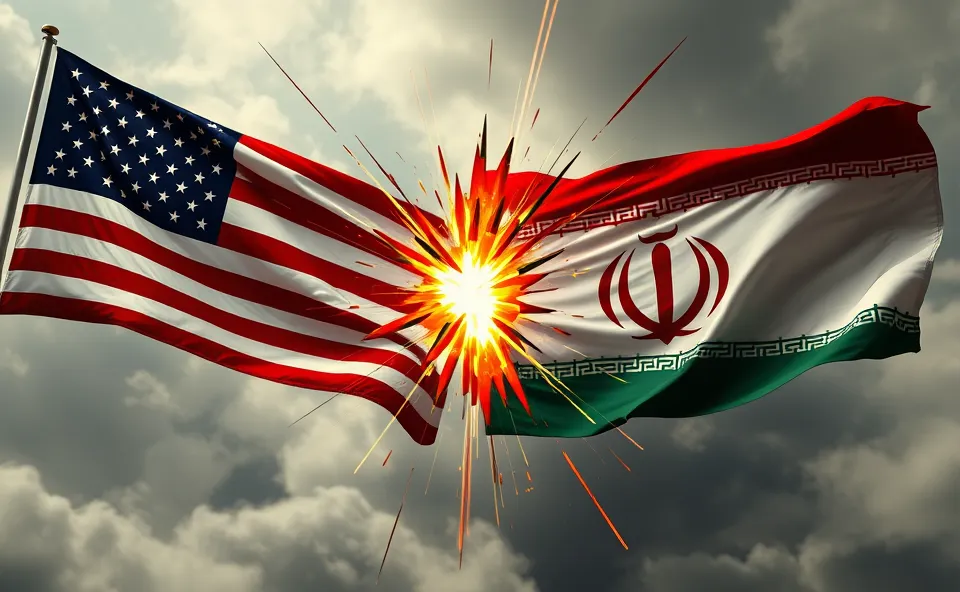
Hey there! You’ve probably been seeing headlines about the US and Iran lately, with talk of strikes and things getting a bit more intense. It can feel like a lot to keep up with, so let’s break down what’s been going on in simple terms. Essentially, we’ve seen a back-and-forth of military actions between the United States and Iran. These weren’t just minor incidents; they were significant enough to raise serious concerns about an escalation of hostilities in a region that’s already pretty complex.
Think of it like two people arguing, but instead of just yelling, they started pushing each other. This pushing involves more direct military action, and it’s happening in a way that makes everyone watching hold their breath a little. It’s the kind of situation where a small spark could potentially ignite a much larger fire, and that’s precisely why it’s grabbed so much attention globally.
Why the Sudden Buzz Around US Iran Hostilities?
So, why are we talking about US Iran strikes and this escalation right now? Well, a few key things have brought this to the forefront. Firstly, President Trump has been quite vocal, pushing for a new deal with Iran, often linking this pressure to the ongoing military actions. He sees these strikes and the overall geopolitical tensions as leverage to get Iran back to the negotiating table, perhaps to revisit or replace the old Iran nuclear deal. This administration’s foreign policy approach often involves applying significant pressure, and this situation is a prime example.
When military action happens, especially between major powers, it naturally spikes interest. People want to understand the immediate cause, the potential consequences, and what this means for stability in the Middle East conflict. It’s not just about news; it’s about the real-world implications for global security and markets. The increased frequency and seriousness of these exchanges are what make it a trending topic for anyone trying to understand the currents of international relations.
A Look Back: Seeds of Present-Day Tensions
To truly get a handle on the current US Iran dynamic and why these strikes are happening, we need to rewind a bit. The relationship between the US and Iran has been strained for decades, marked by deep mistrust and differing foreign policy goals. A major turning point in recent memory was the Iran nuclear deal, officially known as the Joint Comprehensive Plan of Action or JCPOA. This agreement aimed to prevent Iran from developing nuclear weapons in exchange for sanctions relief.
However, the Trump administration decided to withdraw from the JCPOA in 2018, arguing it wasn’t strong enough. This withdrawal was followed by the reimposition of harsh sanctions on Iran. Iran, in turn, began to increase its own activities, sometimes seen as pushing back against this pressure. This history of policy shifts, sanctions, and counter-moves has created a volatile environment where even seemingly smaller incidents can quickly escalate into significant military action.
Think of it as a long-running dispute that has seen periods of tense quiet and then sudden bursts of confrontation. The withdrawal from the deal and the subsequent “maximum pressure” campaign by the Trump administration significantly altered the landscape, leading to a more confrontational stance from both sides. The complex web of alliances and rivalries in the Middle East conflict also plays a huge role, making any US Iran interaction highly sensitive.
What This Escalation Means: Impact on Us All
When we see an escalation of US Iran strikes, it’s not just a story on the news; it has tangible impacts that reach far beyond the region. For businesses and global markets, increased geopolitical tensions like these can create significant uncertainty. Oil prices, for instance, are highly sensitive to developments in the Middle East. Any disruption or perceived threat to supply routes can cause prices to surge, affecting everything from the cost of fuel at the pump to the price of goods transported across the globe.
For technology and innovation, instability can slow down investment and collaboration. Companies might become more cautious about expanding into or investing in regions experiencing conflict. On a broader level, heightened military action raises concerns about global security and the potential for wider conflict. This can lead to increased defense spending, divert resources from other areas like climate change initiatives or healthcare, and create a general atmosphere of unease.
The constant threat of military action and the use of sanctions as a foreign policy tool also shape international trade and diplomatic relations. It influences how countries interact, who they align with, and the flow of goods and capital. So, while the direct strikes might seem distant, their ripple effects are felt in economies and daily lives worldwide.
Looking Ahead: What’s Next for US Iran Relations?
Predicting the future is tricky, especially in international relations, but we can look at the current trends to understand potential paths forward for US Iran. The Trump administration’s emphasis on striking a deal remains a key driver. Whether this means a new version of the Iran nuclear deal, a broader security agreement, or something else entirely, the desire for a diplomatic resolution, albeit on their terms, seems present.
On the other hand, Iran’s response to sanctions and pressure will likely continue to shape its actions. They may continue to push back through various means, aiming to counter what they see as unfair economic and political pressure. The potential for de-escalation hinges on finding common ground or a willingness from both sides to step back from the brink.
We might see continued cycles of pressure and counter-pressure, with periods of heightened tension followed by attempts at communication. The effectiveness of diplomatic pressure, the impact of sanctions, and Iran’s internal dynamics will all play a role in shaping the immediate future. Ultimately, a lasting solution would likely involve some form of negotiation, but the path to that point is often fraught with challenges and depends heavily on the foreign policy decisions made by both the US and Iran.
Frequently Asked Questions
What are the latest US Iran strikes about?
The recent US Iran strikes refer to a series of military actions and retaliations that have intensified geopolitical tensions. These exchanges are often linked to broader foreign policy strategies and the ongoing discussions around the Iran nuclear deal.
Why is there an escalation between the US and Iran?
The escalation is driven by a complex mix of factors including the US withdrawal from the Iran nuclear deal, the reimposition of sanctions, Iran’s response to this pressure, and the Trump administration’s approach to foreign policy and diplomatic pressure in the Middle East conflict.
How does the US Iran conflict affect global markets?
Increased US Iran hostilities can lead to significant market volatility, particularly in oil prices, due to concerns about supply disruptions. This can impact everything from energy costs to the prices of goods.
Is there a chance for a new Iran nuclear deal?
The possibility of a new Iran nuclear deal or renegotiated terms is a recurring theme. The Trump administration has expressed a desire for a deal, but significant challenges remain regarding the terms and Iran’s willingness to engage under current pressures.
What is the historical background of US Iran tensions?
US Iran relations have been strained for decades, with key events including the 1979 revolution, the hostage crisis, and more recently, the debate and withdrawal from the Iran nuclear deal, followed by a period of intense sanctions and military action.











