

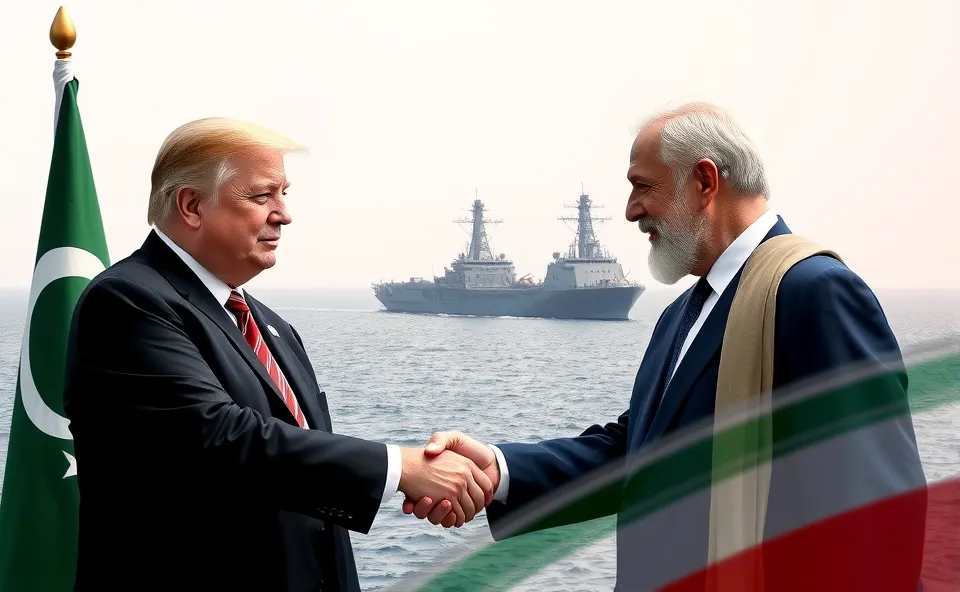
A Surprising Diplomatic Dance in Pakistan
So, you might have heard some interesting news coming out of Pakistan recently. JD Vance, the US Senator, has been in talks with Iran. This isn’t just your everyday meeting. It’s happening at a time when former President Donald Trump is also making waves, talking about US actions in the Strait of Hormuz. It’s a bit of a diplomatic dance, with a lot of eyes on the stage.
Why All the Buzz Right Now?
The timing of JD Vance’s Iran talks is what’s really got people talking. The Strait of Hormuz is a super important waterway, a choke point for global oil shipments. Any hint of trouble there sends ripples through global markets and security circles. Adding Donald Trump’s comments into the mix, which often carry significant weight and can shape US foreign policy discussions, makes this situation even more attention grabbing. People are looking for signs of shifting US policy and potential deescalation or escalation in the Middle East. It’s a complex geopolitical puzzle, and these developments are key pieces.
A Little History Lesson: US-Iran Relations and the Hormuz Strait
To really get what’s happening, we need to look back a bit. The relationship between the United States and Iran has been pretty tense for decades. Think of it like a long-standing disagreement with a lot of complex history. The Strait of Hormuz has always been a central point in this tension. Iran has, at times, made statements or taken actions that suggest they could disrupt shipping through this vital strait. The US, in turn, has always maintained that keeping the Strait open is a matter of international security and vital to global energy supplies. This back and forth has created a delicate balance, and any shift in dialogue or action, especially involving influential figures like Senator Vance and former President Trump, is scrutinized intensely.
Remember the Iran nuclear deal, or the Joint Comprehensive Plan of Action JCPOA? That was a big attempt to manage tensions and address concerns about Iran’s nuclear program. When the US withdrew from that deal, it marked a significant shift in US-Iran relations and led to increased geopolitical tensions. Since then, there have been ongoing efforts, sometimes through intermediaries and sometimes directly, to manage the situation and avoid outright conflict. These recent events in Pakistan, with JD Vance engaging in Iran talks, can be seen as part of this ongoing, albeit sometimes strained, diplomatic effort.
What Does This Mean for You, Your Wallet, and the World?
This might seem like something happening far away, but it has real implications. For businesses, especially those reliant on oil and gas or global shipping, the security of the Strait of Hormuz is paramount. Any uncertainty can lead to increased shipping costs and fluctuating energy prices. Think about the price at the pump for your car, or the cost of goods you buy that have traveled across the ocean. These are directly linked to maritime security in places like the Strait of Hormuz.
For the broader tech and finance world, instability in the Middle East can affect investment flows and create market volatility. Technology companies that rely on global supply chains or have operations in the region are also watching closely. Moreover, the broader geopolitical landscape is affected. Successful diplomacy, even at this preliminary stage, could pave the way for broader ceasefire talks or a deescalation of conflict in other parts of the Middle East. It’s about maintaining global stability, which ultimately benefits everyone.
Consider these potential impacts:
- Energy Markets: Fluctuations in oil prices are a direct consequence of perceived risks to supply routes like the Strait of Hormuz.
- Global Trade: Disruptions or perceived threats can increase shipping insurance costs and transit times, affecting the price of imported goods.
- Geopolitical Stability: Progress in US-Iran relations, even incremental, can have a calming effect on regional conflicts and reduce overall geopolitical tensions.
- Investment Climate: A more stable Middle East can encourage foreign investment and boost economic confidence globally.
What’s Next on the Diplomatic Horizon?
Predicting the future is always tricky, but we can look at the logical next steps. JD Vance’s talks in Pakistan with Iran are likely just the beginning of a longer conversation. The goal might be to understand each other’s positions better, explore possibilities for reducing tensions, or even lay the groundwork for future, more formal negotiations. The involvement of figures like Donald Trump, even through his statements, suggests that this isn’t just a minor diplomatic side quest. It signals a potential reevaluation of US foreign policy approaches in the region.
We could see further diplomatic engagements, perhaps involving other US officials or international partners. The key will be whether these initial conversations can translate into tangible steps towards deescalation. If the US and Iran can find common ground, even on limited issues related to maritime security in the Strait of Hormuz, it could open doors for broader discussions on other pressing matters. Conversely, if the dialogue stalls or is met with resistance, geopolitical tensions could remain high, or even escalate, impacting regional stability and global markets.
Your Burning Questions Answered
What is JD Vance’s role in the recent Iran talks in Pakistan?
Senator JD Vance has been reportedly initiating discussions with representatives from Iran while in Pakistan. This engagement is significant because it represents a US legislative figure directly interacting with Iranian officials, potentially exploring avenues for dialogue amidst ongoing geopolitical tensions. These JD Vance Iran talks are being watched closely for any signs of shifts in US foreign policy towards Iran.
How do Donald Trump’s comments relate to the JD Vance Iran talks and the Strait of Hormuz?
Donald Trump’s recent statements about US actions in the Strait of Hormuz add another layer of complexity to the situation. His remarks often influence the broader discourse on US foreign policy. When combined with JD Vance’s Iran talks, these comments highlight the dual nature of US engagement: legislative initiatives and the public pronouncements of influential political figures, all within the context of the critical Strait of Hormuz maritime security concerns.
What are the potential implications of these US-Iran relations developments for maritime security in the Strait of Hormuz?
Any progress or setback in US-Iran relations, especially concerning dialogues involving figures like JD Vance, can directly impact maritime security in the Strait of Hormuz. This vital waterway is a potential flashpoint. Improved communication could lead to reduced risks of incidents, while heightened tensions might increase the likelihood of disruptions. Therefore, these developments are crucial for anyone concerned about the free flow of global trade and energy supplies.
Can these Pakistan-based discussions lead to broader ceasefire talks in the Middle East?
While the immediate focus of JD Vance’s Iran talks might be on specific issues, successful diplomatic engagement can sometimes create momentum for wider negotiations. If progress is made in easing tensions between the US and Iran, it could potentially influence the dynamics of other conflicts in the Middle East, potentially creating a more conducive environment for broader ceasefire talks. It’s a complex domino effect that diplomacy aims to achieve.
How might these geopolitical tensions surrounding the Strait of Hormuz affect global financial markets?
Geopolitical tensions, particularly those involving major global powers and critical transit routes like the Strait of Hormuz, have a significant effect on global financial markets. Uncertainty can lead to increased volatility in oil prices, currency markets, and stock exchanges. Business and investor confidence can also be shaken, impacting investment decisions. Therefore, any movement towards deescalation or increased conflict related to US-Iran relations and the Strait of Hormuz is closely monitored by the financial world.











