

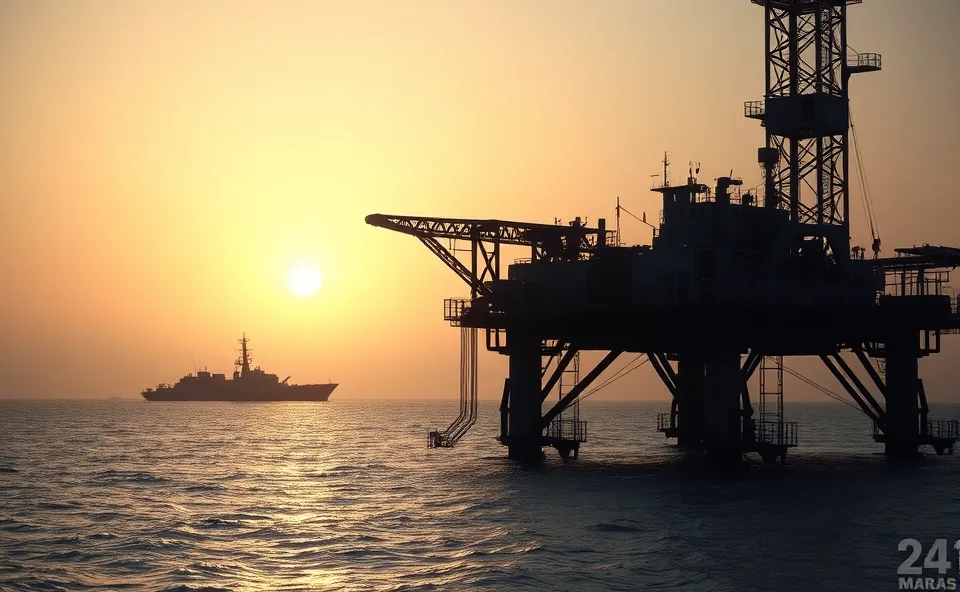
A Big Move for American Oil
Imagine you are running a business and you see a storm brewing on the horizon. You do not just wait for the rain to start. You buy extra umbrellas and reinforce your roof. That is exactly what Diamondback is doing right now. As the largest oil producer in the United States, Diamondback is ramping up its efforts. They are spending more money and increasing their oil drilling activities.
The reason for this sudden push is the growing tension and the threat of an Iran war. When things get unstable in the Middle East, the global energy market usually panics. Diamondback sees this as a moment to step up. By increasing US oil production, they are not just looking to make more money. They are positioning themselves to fill the gap if oil from other parts of the world stops flowing. This is a strategic move to make sure that the US has a steady supply of energy regardless of what happens across the ocean.
Essentially, Diamondback is betting that the world will need more American oil. They are putting more rigs in the ground and investing heavily in their operations. It is a bold move that shows how much the US energy landscape has changed over the last decade. We are no longer just observers in the global oil game. We are now the ones who can tip the scales.
Why Everyone is Talking About This Now
You might wonder why this specific news is blowing up right now. It comes down to one thing: uncertainty. Most people do not think about where their gasoline comes from until the price at the pump jumps twenty cents in a single day. Whenever there is a risk of a Middle East conflict, the first thing people worry about is oil prices.
Investors and analysts are paying close attention to Diamondback because they are the bellwether for the industry. When the biggest player in the room changes their spending habits, everyone else notices. People are searching for information on US oil production because it represents a safety net. If an Iran war actually disrupts the Strait of Hormuz, which is a critical chokepoint for global oil, the world would face a massive shortage.
This is why the conversation has shifted from simple profits to geopolitical risk. The market is trying to figure out if the US can produce enough to keep the global economy from crashing if a major supplier goes offline. Diamondback increasing its spending is a signal to the market that the US is ready to lean in. It tells the world that the US has the capacity to act as the stabilizer for the energy market during a crisis.
The Story Behind the Shift
To understand why Diamondback can even do this, we have to look back at the shale revolution. For a long time, the US was heavily dependent on oil from the Middle East. If there was a political shakeup in that region, the US economy felt the pain immediately. That changed with the rise of shale oil.
Shale oil is found in rock formations that were previously too hard to drill. Then came new technologies like hydraulic fracturing and horizontal drilling. This allowed companies to unlock massive amounts of oil right here at home, especially in the Permian Basin. Diamondback is a master of the Permian Basin. They spent years buying up land and refining their drilling techniques to make the process cheaper and faster.
In the past, oil producers were very slow to react. It took years to build a new oil field. But shale oil is different. It is much more flexible. If prices go up or risk increases, companies can start new wells relatively quickly. This agility is what makes the current strategy of Diamondback so effective. They are not building a giant refinery from scratch. They are simply turning the dial up on existing operations to meet a perceived need caused by the threat of an Iran war.
What This Means for the Real World
So, what does this actually change for you or for a business owner? The biggest impact is on price stability. When geopolitical risk goes up, oil prices usually spike because of fear. However, when a giant like Diamondback increases oil drilling, it adds more supply to the market. More supply generally keeps prices from skyrocketing too far.
For businesses, this provides a layer of predictability. Imagine a trucking company or an airline. Their biggest cost is fuel. If they know that US energy production is ramping up to counter a Middle East conflict, they can plan their budgets with a bit more confidence. They know there is a counter force working against the price spikes.
There are also broader impacts on the energy market:
- Less Dependence on OPEC: For decades, a small group of countries decided the price of oil. With higher US oil production, that power is shifting.
- Job Growth: More spending on drilling means more jobs in energy hubs like Texas and New Mexico.
- Infrastructure Pressure: As more oil is produced, the US needs better pipelines and storage to handle the volume.
- Economic Security: Increasing domestic production means the US is less vulnerable to foreign political blackmail.
In short, Diamondback is doing more than just drilling holes in the ground. They are acting as a shock absorber for the global economy. By absorbing the risk of an Iran war through increased production, they help prevent a total energy panic.
Looking Ahead at the Energy Landscape
Where do we go from here? It is unlikely that we will see a permanent, massive spike in drilling if things calm down in the Middle East. However, the trend toward energy independence is likely to stay. Diamondback and other producers have realized that being the safety net is a profitable business model.
If the tensions surrounding the Iran war escalate, we will likely see other US producers follow Diamondback’s lead. We could see a wave of new investments in shale oil technology to make drilling even more efficient. The goal will be to produce the most oil at the lowest possible cost to keep the US competitive.
On the other hand, if diplomacy wins and the threat of war fades, Diamondback might scale back its spending to maintain price levels. But they will not forget the lesson learned here. They now know exactly how to pivot quickly when the world gets chaotic. The future of US energy is no longer about just finding oil. It is about managing the flow of oil to protect the economy from global instability.
Common Questions About US Oil and Global Risk
How does an Iran war affect US oil production?
An Iran war creates a high geopolitical risk that can disrupt oil flow from the Middle East. In response, US oil producers like Diamondback often increase their drilling and spending to ensure there is enough domestic supply to prevent price shocks.
Why is Diamondback increasing its spending now?
Diamondback is increasing spending to ramp up production. They want to capitalize on higher oil prices and provide a buffer for the energy market in case foreign supply is cut off due to conflict in the Middle East.
Will more oil drilling lower the price of gas?
Increasing US oil production adds more supply to the market. While it might not make gas incredibly cheap during a war, it helps prevent the price from hitting extreme highs by offsetting the loss of foreign oil.
What is the role of shale oil in this situation?
Shale oil allows the US to be flexible. Unlike traditional oil wells, shale wells can be brought online faster. This allows producers to react quickly to events like a Middle East conflict.
Is the US now the most important oil producer?
The US is one of the largest and most flexible producers. By increasing US oil production, the country reduces its reliance on other nations and gains more influence over the global energy market.











