

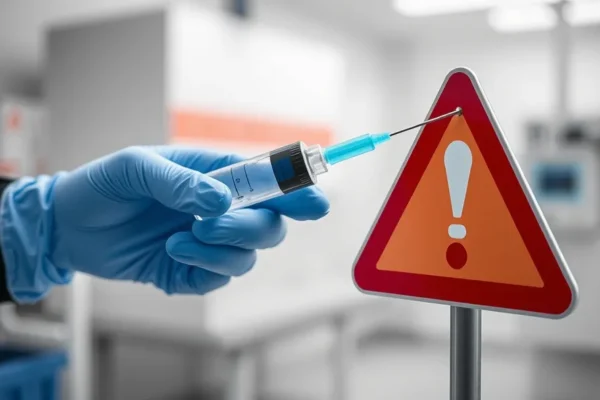
The Resurgence of Measles in the US A Public Health Wake-Up Call
The United States, once on the cusp of eliminating measles, is now grappling with a concerning resurgence of this highly contagious infectious disease. Recent reports, including the US confirming its first measles deaths in over a decade, underscore a critical public health challenge: declining vaccination rates and the pervasive influence of vaccine misinformation. This situation demands a thorough examination of what measles is, why vaccination rates are falling, and the profound implications for communities across the nation.
Understanding Measles and the Power of the MMR Vaccine
Measles is a serious viral illness that can lead to severe complications, including pneumonia, encephalitis (swelling of the brain), and even death. The Centers for Disease Control and Prevention (CDC) states that measles is so contagious that if one person has it, 90% of the people close to that person who are not immune will also get infected. Fortunately, a safe and effective vaccine exists to prevent measles: the Measles, Mumps, and Rubella (MMR) vaccine. This vaccine is typically administered in two doses and provides long-lasting protection. The MMR vaccine works by introducing a weakened form of the measles virus, along with the mumps and rubella viruses, to the body. This triggers the immune system to create antibodies, which are like tiny soldiers that recognize and fight off the actual virus if it’s encountered later. Widespread immunization through the MMR vaccine has been instrumental in dramatically reducing measles cases in the US for decades, moving the country towards the goal of measles elimination, a status officially declared by the CDC in 2000.
The Decline in Vaccination Rates: A Complex Web of Factors
The current measles outbreak is directly linked to a concerning drop in MMR vaccination rates. While herd immunity—a form of indirect protection that occurs when a large percentage of a population is immune to an infectious disease, thereby providing a measure of protection for individuals who are not immune—is crucial for protecting vulnerable populations like infants and those with weakened immune systems, it relies on high vaccination coverage. According to the CDC, in recent years, vaccination rates for the second dose of the MMR vaccine have fallen below the 95% threshold recommended for maintaining herd immunity.
Several factors contribute to this decline. A significant driver is vaccine hesitancy, a phenomenon fueled by the spread of misinformation and disinformation. Online platforms and social media have become fertile ground for unsubstantiated claims and conspiracy theories about vaccine safety, often misrepresenting scientific data or creating false narratives. This has eroded trust in public health institutions and medical professionals for some segments of the population. Additionally, disruptions to routine immunization schedules caused by events like the COVID-19 pandemic, which led to doctor’s office closures and parental hesitations about in-person visits, have also played a role in children missing their scheduled vaccinations.
Public Health Implications: A Threat to Community Well-being
The implications of declining MMR vaccination rates and the subsequent measles resurgence are far-reaching and pose a significant threat to public health. Measles deaths, though rare in vaccinated populations, can occur, especially among very young children or individuals with compromised immune systems who cannot receive the vaccine. An increase in measles cases means a higher risk of serious complications for those infected, straining healthcare resources and leading to prolonged illness.
Beyond the direct impact on individuals who contract measles, the erosion of herd immunity leaves entire communities vulnerable. Outbreaks can disproportionately affect underserved populations, including those in low-income communities or areas with lower access to healthcare, where vaccination rates may already be lower. This creates a cycle of vulnerability and exacerbates existing health inequities. The resurgence also jeopardizes the hard-won progress made in controlling and eliminating infectious diseases, potentially requiring significant public health efforts and resources to regain lost ground.
Navigating the Information Landscape: Combating Vaccine Misinformation
Addressing the resurgence of measles requires a multi-pronged approach, with a critical focus on combating vaccine misinformation. Public health organizations like the CDC are working to provide accurate, evidence-based information about the safety and efficacy of the MMR vaccine. This involves clear communication about measles symptoms, the risks associated with the disease, and the benefits of immunization.
Technological advancements are also playing a role in this fight. Digital literacy initiatives and fact-checking tools are being deployed to help individuals discern credible health information from misinformation online. Social media platforms are facing increasing pressure to moderate and remove harmful content that spreads false claims about vaccines. However, the sheer volume and rapid dissemination of misinformation present a formidable challenge.
Looking Ahead: Rebuilding Trust and Strengthening Immunization Programs
The current measles outbreak serves as a stark reminder of the importance of sustained public health efforts and the fragility of progress against infectious diseases. Rebuilding trust in vaccines and public health institutions is paramount. This will require consistent, transparent communication, engagement with communities, and addressing the root causes of vaccine hesitancy. Strengthening routine immunization programs and ensuring equitable access to vaccines for all populations are also essential steps. The US reports first measles deaths and a rise in measles outbreak cases are not just statistics; they are a call to action to recommit to the power of vaccination for the health and safety of everyone.
Frequently Asked Questions About Measles and Vaccinations
What are the main measles symptoms? Measles typically begins with a high fever, followed by a cough, runny nose, and red, watery eyes. A characteristic rash that starts on the face and spreads to the rest of the body usually appears a few days later.
Is the MMR vaccine safe and effective? Yes, the MMR vaccine is widely regarded as safe and highly effective by leading public health organizations like the CDC. Decades of research and widespread use have demonstrated its safety and its crucial role in preventing measles, mumps, and rubella.
What is herd immunity and why is it important for preventing measles outbreaks? Herd immunity occurs when a large enough portion of a population is immune to an infectious disease. This makes the spread of the disease from person to person unlikely. It is particularly important for protecting those who cannot be vaccinated, such as infants too young to receive the MMR vaccine or individuals with compromised immune systems.
How does vaccine misinformation impact public health? Vaccine misinformation can lead to vaccine hesitancy, causing individuals to delay or refuse vaccinations. This, in turn, lowers vaccination rates, weakens herd immunity, and increases the risk of infectious disease outbreaks like measles, potentially leading to serious illness and preventable deaths.
What is the CDC’s stance on the MMR vaccine? The CDC strongly recommends the MMR vaccine as part of the routine immunization schedule for children and adults. They provide extensive data and resources supporting the vaccine’s safety and efficacy in preventing measles, mumps, and rubella.
When can we expect to see a decline in measles cases again? A sustained increase in MMR vaccination rates, particularly reaching and maintaining the recommended 95% coverage for herd immunity, is crucial for controlling and eventually eliminating measles outbreaks. This requires ongoing public health efforts to combat misinformation and ensure access to vaccines.
This report is based on publicly available data and statements from health organizations. The situation regarding measles outbreaks is dynamic and subject to ongoing public health monitoring and response efforts.











