

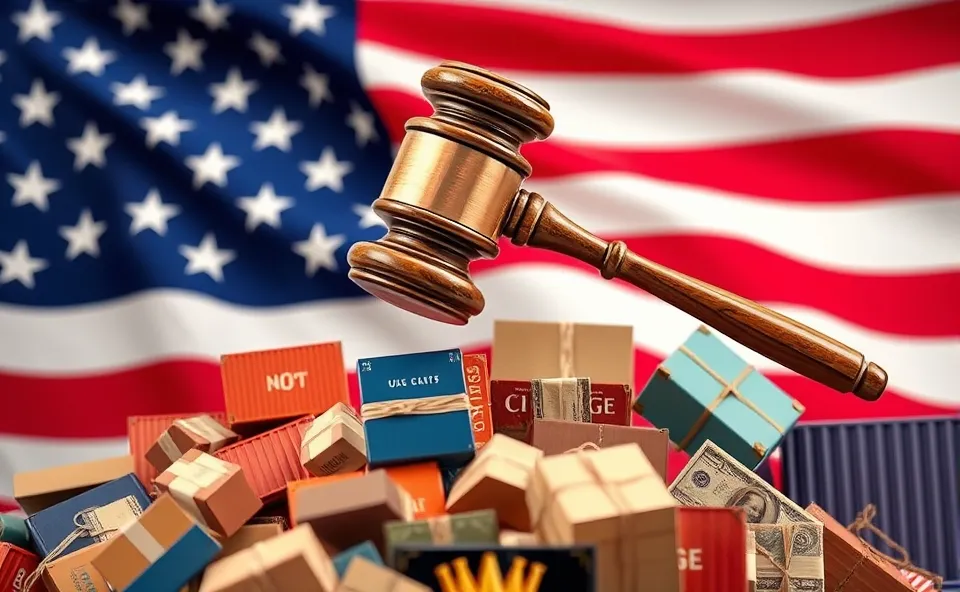
A New Chapter in US Trade Policy: Tariffs Loom Over Forced Labor Concerns
So, the US government is looking to bring back some serious import duties, and this time the focus is on tackling forced labor. We’re talking about proposed tariffs that could well be over 10%, aimed at goods suspected of being made with unconscionable labor practices. The White House is pushing hard on this, especially after facing a setback that prevented them from using these kinds of sweeping tariffs in the past. It’s a big move that signals a renewed commitment to using trade policy as a tool to uphold labor rights on a global scale.
Why the Buzz Now? The Push for Stronger Sanctions
You might be wondering why this is suddenly making headlines. Well, the urgency stems from a desire to more effectively combat forced labor in supply chains. Previous efforts to implement broad tariffs were challenged, and there’s a feeling that the current mechanisms aren’t strong enough to deter bad actors. The administration sees this as a critical moment to reassert its authority and send a clear message that the US economy will not benefit from goods produced under such oppressive conditions. It’s about tightening the screws and making it harder for these products to enter the country, effectively aligning trade policy with deeply held values about human dignity and fair labor.
From Legal Hurdles to Renewed Resolve: The Background Story
To really get what’s happening, we need to rewind a bit. For a while now, the US has been grappling with how to effectively stop goods made with forced labor from entering its markets. The idea behind tariffs is simple: make it financially unappealing to import these items. However, a significant hurdle emerged when the Supreme Court weighed in, essentially limiting the government’s ability to impose certain types of broad tariffs. This ruling, while aimed at specific legal interpretations, created a gap. Now, the White House is finding new ways, perhaps more targeted or legally sound approaches, to revive this important trade policy tool. It’s a strategic pivot, adapting to legal realities while keeping the ultimate goal of eradicating forced labor in sharp focus. This isn’t a new fight, but it’s one that’s gaining fresh momentum.
What This Means for You, Your Wallet, and the Global Stage
So, what’s the ripple effect of these potential new US tariffs? For consumers, it could mean a few things. If goods from countries or companies identified as using forced labor become more expensive due to these import duties, we might see price increases on certain products. Think electronics, textiles, or even components that go into everyday items. Businesses will also feel this. Companies that rely on imports from these regions will have to reevaluate their supply chains. Some might need to find new, more ethical sources for their materials, which could involve higher costs or logistical challenges. Others might absorb the tariff costs, impacting their profit margins.
On the broader international trade front, this move signals a more assertive stance. It’s a clear indication that the US is willing to use its economic power to enforce its values. This could put pressure on other countries to improve their labor standards, potentially leading to a more level playing field for businesses that already adhere to fair practices. It also highlights the intricate connection between economic sanctions and labor rights. The aim isn’t just about collecting duties; it’s about achieving a fundamental shift in how goods are produced worldwide. For the US economy, it’s a delicate balancing act: protecting domestic industries and upholding ethical standards while navigating the complexities of global commerce.
Looking Ahead: The Path Forward for Trade and Labor Rights
What’s next on the horizon? The proposal of these new US tariffs over 10% marks the beginning of a process, not the end. We can expect intense discussions and likely some back and forth as the specifics are hammered out. Businesses will be watching closely, preparing for potential changes to import regulations. There will also be ongoing scrutiny of supply chains and increased pressure for transparency. The White House is likely to continue working on strengthening its legal framework to ensure these tariffs are robust and sustainable, avoiding the pitfalls of past challenges.
It’s possible we’ll see more targeted sanctions or collaborative efforts with international partners who share similar concerns about forced labor. The ultimate goal remains to create a global trading system where human dignity is paramount and where economic growth does not come at the expense of fundamental labor rights. This is a long game, and these proposed tariffs are a significant step in that ongoing evolution of international trade policy.
Frequently Asked Questions About US Tariffs and Forced Labor
What exactly are US tariffs in this context?
US tariffs are essentially taxes imposed on imported goods. In this specific proposal, the White House is looking to implement tariffs exceeding 10% on products suspected of being made using forced labor. This means that if a company imports goods that are found to violate labor rights, they would have to pay an additional fee to bring those goods into the country.
Why is the White House focusing on forced labor with these new US tariffs?
The focus on forced labor stems from a strong commitment to upholding human rights and ensuring fair international trade. The administration believes that goods produced through exploitation should not benefit from access to the US market. By proposing these tariffs, they aim to deter this practice and pressure countries and companies to adopt more ethical labor standards.
How might these proposed US tariffs impact the Supreme Court’s previous ruling?
The Supreme Court’s previous ruling had placed limitations on the government’s ability to implement certain sweeping tariffs. The current proposal suggests the White House has found new legal avenues or approaches to revive the use of import duties to address forced labor, potentially by framing the tariffs differently or focusing on specific legal authorities that were not affected by the earlier Supreme Court decision.
What is the connection between US trade policy and labor rights?
US trade policy increasingly seeks to incorporate labor rights as a key component. This means using tools like tariffs and trade agreements to encourage better working conditions and prevent the exploitation of workers globally. The goal is to ensure that economic engagement does not inadvertently support or condone human rights abuses, including forced labor.
Beyond tariffs, what other economic sanctions might be considered regarding forced labor?
While tariffs are a prominent tool, the US government can also employ other economic sanctions to address forced labor. These can include import bans on specific goods or from specific entities, asset freezes, and restrictions on financial transactions. These measures, alongside tariffs, aim to exert economic pressure to compel compliance with international labor standards and protect the US economy from being complicit in human rights violations.











