

When the Giants Step In to Steady the Ship
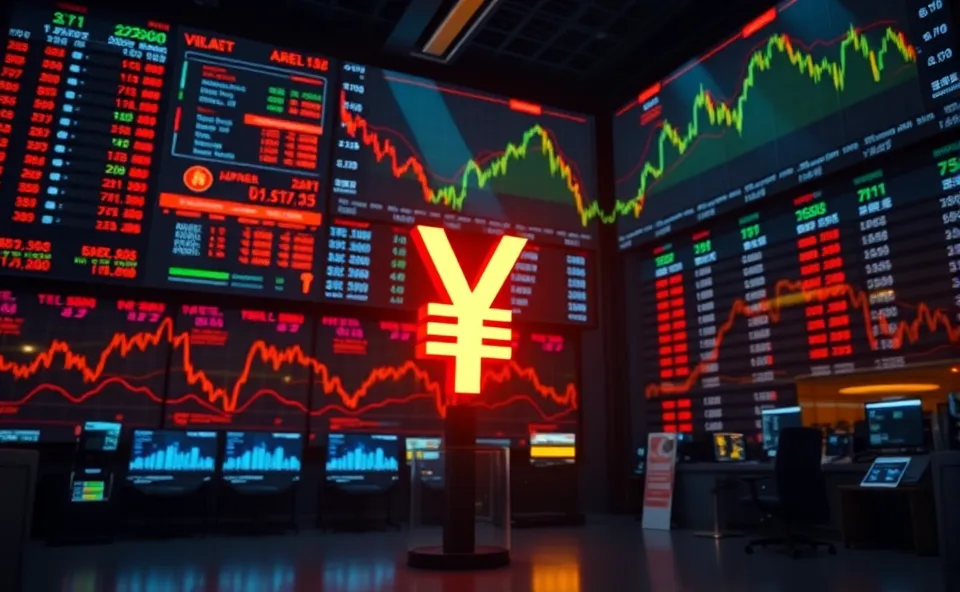
Sometimes, the global financial machine gets a little too loud. When that happens, the people in charge decide to step off the sidelines and into the arena. Recently, we saw a rare and significant moment where the US Treasury and New York Fed coordinated a move involving the yen market. To put it simply, these institutions stepped in to help calm the choppy waters of foreign exchange.
When we talk about an intervention, it sounds like a movie plot, but in the world of finance, it is a calculated effort to prevent a currency from spiraling out of control. The goal here was not to rig the game, but to add a layer of stability. Think of it like a pilot smoothing out turbulence so the passengers don’t feel like the plane is dropping out of the sky. By working together, the US and Japanese authorities aimed to send a clear message: they are watching the Tokyo intervention closely and they are willing to act if things get too chaotic.
Why Everyone is Suddenly Talking About the Yen
You might be wondering why the US Treasury, yen market intervention is suddenly the talk of every financial board meeting and dinner party. The answer is simple: uncertainty creates anxiety. When the USD to JPY exchange rate swings wildly, it creates a ripple effect that touches everything from the price of imported electronics to the profitability of massive multinational companies.
People are searching for answers because they feel the ground shifting. Investors who hold assets in Japan or companies that rely on Japanese manufacturing suddenly face a fog of unpredictability. When a major currency becomes this volatile, it is no longer just a problem for bankers in high-rise offices. It becomes a problem for anyone who relies on global supply chains or international trade. Everyone is paying attention now because they want to know if their own portfolios are safe from the next big wave of volatility.
The Context Behind the Curtain
To understand why this matters, we have to look back at the past few years of monetary policy. For a long time, Japan kept interest rates extremely low to stimulate its own economy. Meanwhile, the United States was raising rates to fight inflation. This created a massive gap between the two currencies. Traders love to play the spread between interest rates, so money naturally flowed out of the yen and into the dollar. This pushed the yen down significantly against the dollar for quite some time.
This long-term trend eventually pushed the yen to levels that made officials in Tokyo very nervous. A weak currency might help exporters, but it makes basic imports like energy and food much more expensive for regular people. Eventually, the pressure became too great to ignore. The coordination between the US Treasury, the New York Fed, and Japanese authorities is the culmination of months of simmering tension. It is a reminder that even in a world of floating exchange rates, governments still hold the keys to the kingdom when things go too far.
What This Means for Your World
If you are a casual observer, you might ask how this affects your daily life. The implications for global financial markets are actually quite deep. When authorities intervene, it signals a change in the rules of the road. Businesses that rely on predictable exchange rates can breathe a momentary sigh of relief, knowing that the wild swings might be contained for now.
Here are a few ways this impacts the broader landscape:
- Cost of Imports: If the yen stabilizes, the price of goods flowing between Japan and the rest of the world becomes more predictable, which is good news for supply chain managers.
- Investment Strategy: For those managing portfolios, the intervention serves as a warning that betting against a central bank or a joint government effort is a risky game.
- Corporate Planning: Companies that earn revenue in yen but report in dollars now have a slightly more stable outlook for their quarterly earnings.
- Market Sentiment: The very presence of the US Treasury in the yen market intervention space acts as a psychological buffer, preventing panic selling.
It is important to remember that markets thrive on stability. When the big players show they have the power to intervene, it creates a floor. That floor gives everyone else the confidence to keep participating in the market.
Looking Ahead to the Next Chapter
So, what happens now? The most likely path forward is a period of cautious observation. The US Treasury and their counterparts are not looking to dictate the price of the yen forever. They simply want to remove the extreme edge of the volatility. We should expect to see more communication and subtle nudges rather than constant, aggressive market buying or selling.
In the long run, the real shift will come from the underlying monetary policy in both countries. As interest rate gaps begin to narrow, the pressure on the yen will naturally fade. The intervention we saw is a bridge meant to get us to that point of normalcy without the financial system breaking down along the way. Investors should keep a close eye on interest rate decisions coming out of Tokyo and Washington. That is where the real story of the next six to twelve months will be written.
Common Questions About Currency Stability
How does the US Treasury, yen market intervention help the average investor?
It helps by reducing extreme volatility. When the market moves too fast, it becomes difficult to value assets. By providing a sense of stability, the intervention allows investors to make decisions based on fundamentals rather than pure fear or speculation.
What role does the New York Fed play in this currency drama?
The New York Fed acts as the operational arm. While the Treasury sets the policy and the strategy, the New York Fed has the technical expertise and the direct relationship with market participants to execute these trades effectively.
Is Japan currency manipulation a common occurrence?
Direct intervention is actually quite rare. It is considered a tool of last resort. Most of the time, governments prefer to let the market determine the value of a currency, but they will step in when the speed of the decline threatens economic stability.
How does the USD to JPY exchange rate affect global financial markets?
Because the yen is one of the most traded currencies in the world, a massive shift in its value can cause investors to sell off other assets to cover losses. Stability in this pair helps maintain confidence across stocks, bonds, and commodities worldwide.
What should I look for in terms of future Tokyo intervention signs?
Look for statements from government officials expressing concern about the speed of currency moves. When they start using words like excessive or disorderly, it is usually a sign that they are preparing to step in and steady the market.











