

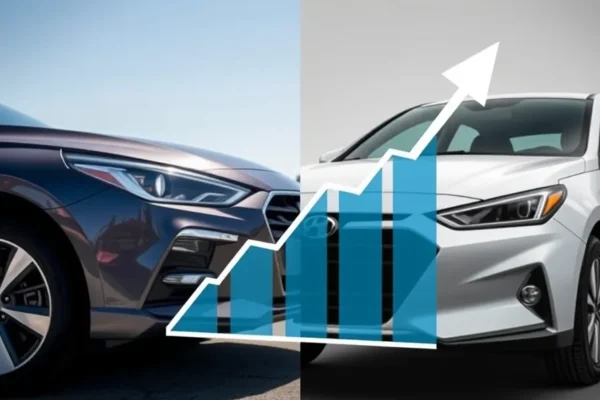
The Unlikely Comeback: Why Used Hybrid Cars Are Flying Off Lots and Costing More Than New
You might have noticed a strange thing happening in the car world lately: finding a decent used hybrid car can be tougher than snagging a last-minute concert ticket, and sometimes, they’re even pricier than brand-new models! It sounds backward, right? We’re diving into why this is happening, what it means for the automotive industry, and what it signifies for you as a car buyer.
What’s Driving This Used Hybrid Car Frenzy?
Think of a used hybrid car as a clever way to save money and the planet. It combines a gasoline engine with an electric motor. This means it sips less fuel when you’re cruising around town and can even run on electricity alone for short distances. The big draw? Significant savings at the gas pump, which is a huge plus given today’s fuel prices. For everyday folks looking to cut down on their running costs and reduce their carbon footprint without the full leap to an all-electric vehicle (EV), used hybrid cars offer a sweet spot.
Putting Hybrid Cars to Work in Your Daily Life
So, how does a hybrid actually fit into your life? Imagine your daily commute. Instead of your gas engine constantly chugging along, your hybrid might use its electric motor to get you from your driveway to the highway, all while you’re sipping your coffee. If you live in a city with lots of stop-and-go traffic, this is where hybrids shine. The braking system actually recharges the battery, so you’re not just wasting energy. 🚗💨
Scenario 1: The Commuter Extraordinaire
If you drive 30 miles to work and back every day, a hybrid can significantly cut down your weekly fuel bill. You’ll likely see the electric motor kick in for slower city driving and even on the highway at certain speeds, meaning you’ll spend less time and money at the gas station. This isn’t just about saving money; it’s about a smoother, quieter ride during your commute.
Scenario 2: The Busy Household Manager
For families juggling school runs, grocery trips, and weekend errands, a hybrid offers a practical blend of efficiency and space. You can handle those short, frequent trips around town using electric power, and still have the gas engine for longer journeys without range anxiety. Plus, many hybrid SUVs offer plenty of room for kids and cargo.
Scenario 3: The Budget-Conscious Buyer
You want a reliable car with good fuel efficiency but a new hybrid is just out of reach. A well-maintained used hybrid car can offer the same fuel-saving benefits at a much more accessible price point, making advanced technology affordable for more people.
Who Should Be Looking for a Used Hybrid Car?
Best for: Anyone who drives a moderate to high amount of miles annually, especially in urban or suburban settings with frequent stops and starts. If saving money on gas is a top priority and you’re looking for a reliable vehicle that’s a step up in efficiency from a traditional gas car, a used hybrid car is a fantastic choice.
Good for: Drivers who are curious about electric vehicles but aren’t ready for the charging infrastructure or higher upfront costs. Hybrids offer a gentle introduction to electrified driving without the commitment of a full EV. It’s also great for those who value resale value, as hybrids have historically held their car value well.
Skip if: You only drive very short distances and can walk or bike most places. In this case, the extra complexity of a hybrid might not offer significant savings. Also, if you need extreme off-road capability or a vehicle for very heavy towing, a traditional SUV or truck might be a better fit, though hybrid versions of these are becoming more common.
How Used Hybrids Stack Up Against Other Options
The main comparison point for used hybrid cars is typically new hybrid cars, traditional gasoline cars, and fully electric vehicles.
vs. New Hybrids: New hybrids offer the latest technology and a full manufacturer warranty, but they come with a significantly higher price tag. Used car market trends show that the price difference between a new and a gently used hybrid can be substantial, making the used option a much better value proposition for many.
vs. Traditional Gas Cars: The primary advantage of a hybrid over a gas car is fuel efficiency. While a gas car might be cheaper to buy used, the ongoing savings at the pump with a hybrid can quickly offset the initial price difference, especially with current fuel prices. This is a key driver of car demand for hybrids.
vs. Electric Vehicles (EVs): EVs offer zero tailpipe emissions and potentially lower running costs if you have access to cheap electricity and home charging. However, they often have a higher upfront cost, require more planning for charging, and may not be ideal for everyone due to range limitations or lack of charging infrastructure. Used hybrids offer a middle ground, providing improved efficiency without the full EV commitment.
Getting Started With a Used Hybrid: Easier Than You Think
The beauty of a hybrid is that for the most part, it drives just like a regular car. You put gas in it, you turn the key (or push the start button), and you drive. The car’s computer manages the switch between the gas engine and electric motor automatically, so there’s no special learning curve. It feels like magic under the hood, but for you, the driver, it’s seamless. 🪄
Most used hybrid cars on the market today are very intuitive. The dashboard might have a few extra indicators showing battery charge or how efficiently you’re driving, but these are usually easy to understand. You don’t need any special technical skills to operate one. The setup is basically nonexistent – you buy it, and you drive it away.
The Real-World Perks of Owning a Used Hybrid
1. Big Fuel Savings: This is the big one. Users consistently report significant reductions in their monthly fuel expenses. For instance, a Toyota Prius, a popular hybrid, often gets over 50 MPG combined, which translates to hundreds, if not thousands, of dollars saved annually compared to a 25 MPG sedan. This makes hybrid car prices, even used ones, a worthwhile investment for many.
2. Smoother, Quieter Ride: Especially at lower speeds or when in electric-only mode, hybrids offer a remarkably quiet and smooth driving experience. It’s like gliding. Many drivers report that the transition between gas and electric power is almost imperceptible, making city driving much more relaxing.
3. Reduced Environmental Impact: By burning less gasoline and emitting fewer greenhouse gases, hybrids offer a more eco-friendly transportation option. This appeals to environmentally conscious consumers who want to make a difference without compromising practicality. 🌍
4. Strong Resale Value: As the current used car market shows, hybrids tend to hold their value exceptionally well. This means that when it’s time to sell or trade in your hybrid, you’ll likely get more money for it compared to a similar non-hybrid vehicle.
The Downsides: What to Watch Out For
1. Battery Replacement Cost: While hybrid batteries are designed to last a long time (often 100,000 miles or more, and many come with extended warranties), they can eventually need replacement. This can be a significant expense, ranging from $2,000 to $5,000 or more, depending on the make and model. When buying a used hybrid, it’s crucial to understand the battery’s age and warranty status. Some certified pre-owned programs offer battery guarantees.
2. Higher Upfront Used Price: As we’ve seen, the popularity of used hybrid cars has driven up their prices. You might find yourself paying more for a used hybrid than you would for a comparable new non-hybrid car. This is a direct result of the surging car demand for fuel-efficient vehicles.
3. Performance Can Be Underwhelming: Some hybrids prioritize efficiency over raw power. Acceleration might feel a bit sluggish compared to their gasoline-only counterparts, especially in older or smaller hybrid models. If you’re looking for a sporty driving experience, a hybrid might not be the best fit.
4. Repair Complexity and Cost: While generally reliable, the dual-powertrain system means there are more components that could potentially need repair. Specialized mechanics might be needed for certain hybrid-specific issues, which could lead to higher labor costs if something does go wrong outside of warranty.
Price, Value, and Affordability: Is It Worth the Premium?
The price of used hybrid cars is a hot topic. As of late 2023 and early 2024, many popular used hybrids (like the Toyota Prius, Honda Insight, and Ford Fusion Hybrid) are commanding prices comparable to, and sometimes exceeding, their new non-hybrid equivalents. For example, a 2020 Toyota Prius might be priced similarly to a brand-new, non-hybrid compact SUV.
Is it worth it? For many drivers, the answer is yes, especially if fuel efficiency is paramount. The projected savings on gas over several years can easily justify the higher upfront used car market price. However, if your annual mileage is low or gas prices were to drop significantly, the value proposition weakens. It’s a matter of calculating your personal driving habits and expected fuel costs. Look for certified pre-owned used hybrid cars, as they often come with extended warranties that can mitigate the risk of expensive repairs, particularly for the battery.
The Verdict: Should You Jump on the Used Hybrid Bandwagon?
The surge in demand for used hybrid cars reflects a broader shift in consumer priorities, driven by economic factors (fuel prices) and environmental awareness. These vehicles offer a practical, efficient, and often more affordable entry into electrified driving compared to brand-new hybrids or full EVs.
Who should buy: If you’re a diligent commuter, a budget-conscious family, or simply someone who wants to significantly reduce their fuel spending and environmental impact without the complexities of an EV, a used hybrid car is an excellent option. They are reliable, practical, and hold their car value well.
Who should wait or look elsewhere: If you’re a very low-mileage driver, prioritize maximum performance over efficiency, or are wary of potential battery replacement costs down the line (and can’t find a good warranty), you might want to reconsider. Also, if you need a vehicle for heavy-duty tasks like towing or off-roading, a hybrid might not be the most suitable choice.
Ultimately, the used hybrid car market is a smart place to look for a vehicle that balances cost savings with modern efficiency. Just do your homework on specific models and their battery health.
Frequently Asked Questions About Used Hybrid Cars
Is a used hybrid car really more expensive than a new non-hybrid?
Yes, in many cases, popular used hybrid cars are currently priced higher than brand-new, non-hybrid vehicles of similar size and class. This is due to the high car demand for fuel efficiency.
How long do hybrid car batteries typically last?
Hybrid batteries are engineered to last a long time, often between 100,000 and 200,000 miles. Many manufacturers offer warranties of 8 years or 100,000 miles, whichever comes first, on their hybrid batteries. Always check the warranty status on a used hybrid car.
What are the running costs of a used hybrid compared to a regular car?
The primary saving is in fuel. Used hybrid cars typically offer significantly better MPG, leading to lower spending at the pump. Maintenance costs can be similar, but specialized hybrid repairs might be more expensive if they are needed.
Are used hybrids reliable?
Generally, yes. Models from manufacturers like Toyota and Honda, known for their hybrid technology, have a strong reputation for reliability. However, as with any used car market purchase, it’s essential to get a pre-purchase inspection from a trusted mechanic.
What is the main difference between a hybrid and an electric vehicle?
A hybrid car has both a gasoline engine and an electric motor, relying on both for power and recharging the battery through braking and the engine. An electric vehicle (EV) runs solely on electricity, with the battery recharged by plugging into an external power source.
Should I be worried about buying a used hybrid if the battery needs replacing soon?
You should be aware of the battery’s age and warranty. If the battery is nearing the end of its warranty or has very high mileage, factor in the potential cost of replacement when considering the overall car value and your budget. Looking for certified pre-owned options can offer peace of mind.
Product prices and availability vary by region. Verify current pricing before purchase.











