

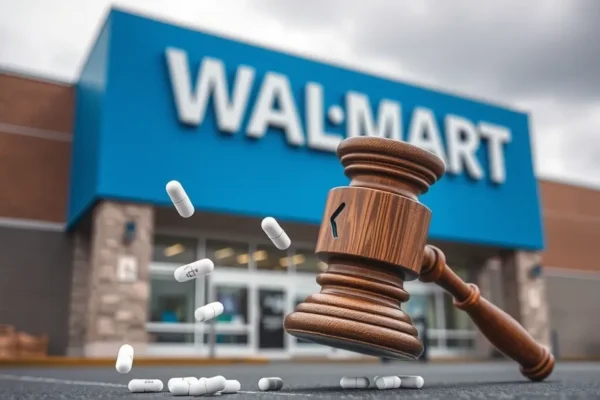
Walmart Reaches $50 Million Settlement Over Opioid Allegations
Walmart has agreed to a $50 million settlement to resolve allegations that its pharmacies played a role in filling illegal opioid prescriptions. This significant agreement comes after years of scrutiny and legal battles surrounding the company’s involvement in the nation’s opioid crisis. The settlement, announced in November 2023, aims to address claims brought forth by numerous state and local governments that accused Walmart pharmacies of contributing to the epidemic by dispensing prescription painkillers without proper oversight.
The legal action, which involved a potential pharmacy lawsuit from various jurisdictions, highlighted concerns about the chain’s handling of opioid prescriptions and the role its vast network of stores played in communities struggling with addiction. This development is a critical step in Walmart’s long engagement with the complex and devastating opioid crisis.
Strategic Rationale Behind the Settlement
The primary driver for Walmart’s decision to settle appears to be a strategic imperative to mitigate ongoing legal and reputational damage. While the $50 million figure may seem substantial, it is likely a calculated move to avoid potentially far larger judgments and the prolonged distraction of continued litigation. The company has faced intense pressure from regulators, attorneys general, and the public to take responsibility for its role in the opioid crisis.
From a strategic standpoint, settling allows Walmart to redirect resources and management attention back to its core business objectives. The prolonged legal battles have undoubtedly consumed significant executive time and financial resources, diverting them from innovation, store improvements, and e-commerce expansion. The settlement represents an attempt to achieve finality on this particular chapter, enabling a clearer path forward. Furthermore, demonstrating a commitment to resolving these long-standing issues can be crucial for rebuilding trust with consumers and stakeholders.
Competitive Landscape and Market Positioning
This Walmart opioid settlement places the retail giant in a position to potentially regain ground against competitors who may have settled similar claims or faced less intense scrutiny. Major pharmacy chains like CVS Health and Walgreens Boots Alliance have also been embroiled in opioid litigation, with both companies agreeing to significant settlements in recent years. CVS, for instance, agreed to a nationwide settlement worth up to $5 billion in 2022. Walgreens reached a $10 billion settlement framework in May 2023.
By reaching a resolution, albeit on a smaller scale compared to some earlier national agreements, Walmart can signal a renewed focus on its operational responsibilities. This could help differentiate it from rivals still navigating complex legal proceedings or those whose settlements have been larger. The competitive advantage lies in the ability to move beyond this specific liability and present a more forward-looking image. However, the shadow of past allegations will likely linger, requiring sustained efforts to rebuild confidence.
Industry-Wide Implications of Opioid Litigation
The ongoing litigation and settlements in the opioid crisis have profoundly reshaped the pharmaceutical and retail pharmacy sectors. These legal actions have forced the entire industry to re-evaluate its dispensing practices, prescription verification protocols, and relationships with prescribers. The Walmart opioid settlement is another data point underscoring the heightened regulatory scrutiny and public expectation placed on companies involved in the pharmaceutical supply chain.
This trend signals a broader industry shift towards greater accountability and transparency. It compels other players, including drug manufacturers, distributors, and independent pharmacies, to invest more heavily in compliance and risk management. We can anticipate continued pressure on pharmacies to implement stricter controls on opioid prescriptions, potentially leading to more standardized industry best practices and a more cautious approach to dispensing controlled substances. This could, in turn, impact the availability of pain medication for legitimate patient needs, a delicate balancing act the industry must manage.
Financial and Operational Impact of the Settlement
The immediate financial impact of the $50 million settlement is a direct charge against Walmart’s earnings. While significant, it represents a relatively small portion of Walmart’s overall revenue and profitability. For the fiscal year ending January 31, 2023, Walmart reported total revenue of over $611 billion. This settlement is unlikely to have a material impact on the company’s top-line growth or long-term financial trajectory.
Operationally, the settlement may lead to enhanced protocols and training within Walmart pharmacies. While specific operational changes are not detailed in the settlement announcement, it’s probable that the company will reinforce its existing compliance measures. This could involve further investments in technology to flag suspicious prescription patterns and more rigorous training for pharmacists and pharmacy technicians on identifying illegal prescriptions. The long-term operational impact hinges on the effective implementation of these reinforced controls, aiming to prevent future occurrences.
Execution Risks and Challenges Ahead
Despite the settlement, Walmart faces ongoing risks and challenges in fully extricating itself from the fallout of the opioid crisis. The primary execution risk lies in ensuring that any revised operational procedures effectively prevent future compliance failures. There’s always a risk that new systems or training may not be fully adopted or may have unforeseen loopholes.
Historically, large organizations like Walmart can struggle with consistent implementation of new policies across their vast network of stores. Maintaining vigilance and adapting to evolving regulatory landscapes will require continuous effort. Furthermore, while this settlement resolves certain allegations, it’s possible that other legal or regulatory challenges related to the opioid crisis could emerge, either from different jurisdictions or different types of claims. The market will also be watching to see if this settlement sets a precedent for any further, more substantial claims or governmental actions.
Stakeholder Implications: Customers, Employees, and Investors
For Walmart’s customers, this settlement may be viewed as a positive step towards accountability. However, the lingering association with the opioid crisis could still affect brand perception, particularly among those directly impacted by addiction. Rebuilding trust will be paramount.
Employees, especially those working in Walmart pharmacies, may experience increased scrutiny and potentially more stringent operational requirements. While this aims to improve safety and compliance, it could also add to workload pressures. The company will need to ensure adequate support and training are provided to manage these changes effectively.
Investors will likely view the settlement as a necessary cost of doing business to resolve a significant legal overhang. The $50 million figure, while substantial, is manageable within Walmart’s financial scale. The long-term investor sentiment will depend on Walmart’s ability to demonstrate effective management of its operations and a renewed commitment to corporate responsibility, avoiding similar controversies in the future.
Outlook and Next Steps for Walmart
With the $50 million settlement in place, the next steps for Walmart involve solidifying its operational improvements and actively communicating its commitment to responsible pharmacy practices. Key milestones to watch will include the successful integration of any enhanced compliance measures across all its pharmacies and the absence of further significant legal actions related to opioid dispensing. Investors and industry observers will monitor quarterly earnings reports for any mentions of ongoing opioid-related costs or new legal developments.
The company’s ability to demonstrate a sustained commitment to patient safety and regulatory compliance will be crucial for long-term success. Success will be measured not just by avoiding future lawsuits but by rebuilding a reputation as a trusted healthcare partner. Measurable outcomes could include a reduction in reported incidents of improper opioid dispensing and positive sentiment shifts in customer surveys and industry reviews related to pharmacy services.
Key Questions and Answers About the Walmart Opioid Settlement
Will this $50 million settlement fully resolve Walmart’s opioid crisis liabilities?
This settlement addresses specific allegations related to filling illegal opioid prescriptions. While it’s a significant step towards resolution, it may not preclude all future legal or regulatory actions related to the broader opioid crisis from different parties or concerning different aspects of the company’s operations.
Why did Walmart settle instead of fighting the allegations in court?
Walmart likely settled to avoid potentially higher legal costs, lengthy court battles, and further reputational damage. Settlements offer a degree of certainty and allow the company to focus resources on its core business operations and future growth strategies.
How does this Walmart opioid settlement compare to those of other major pharmacy chains?
The $50 million settlement is smaller than the multi-billion dollar national settlements reached by competitors like CVS and Walgreens. This difference could be due to the specific scope of allegations, the jurisdictions involved, or varying legal strategies employed by each company.
What are the risks of Walmart’s pharmacies continuing to be involved in dispensing opioids?
The primary risk is continued legal liability and regulatory scrutiny if proper dispensing protocols are not strictly enforced. There is also the risk of reputational damage and loss of public trust, impacting customer loyalty and potentially employee morale.
How long will it take for the market to see the positive effects of this Walmart opioid settlement?
The immediate financial impact is accounted for, but the positive effects on market perception and trust will take time. Consistent demonstration of enhanced compliance and responsible operations over the next 1-3 years will be key indicators of success.
What specific operational changes are expected within Walmart pharmacies following this settlement?
While details are not public, it is reasonable to expect reinforced training on identifying illegal prescriptions, enhanced auditing of opioid dispensing records, and potentially updated technology for flagging suspicious activities, all aimed at improving compliance with opioid regulations.
Business outcomes are subject to execution risk and evolving market conditions.











