

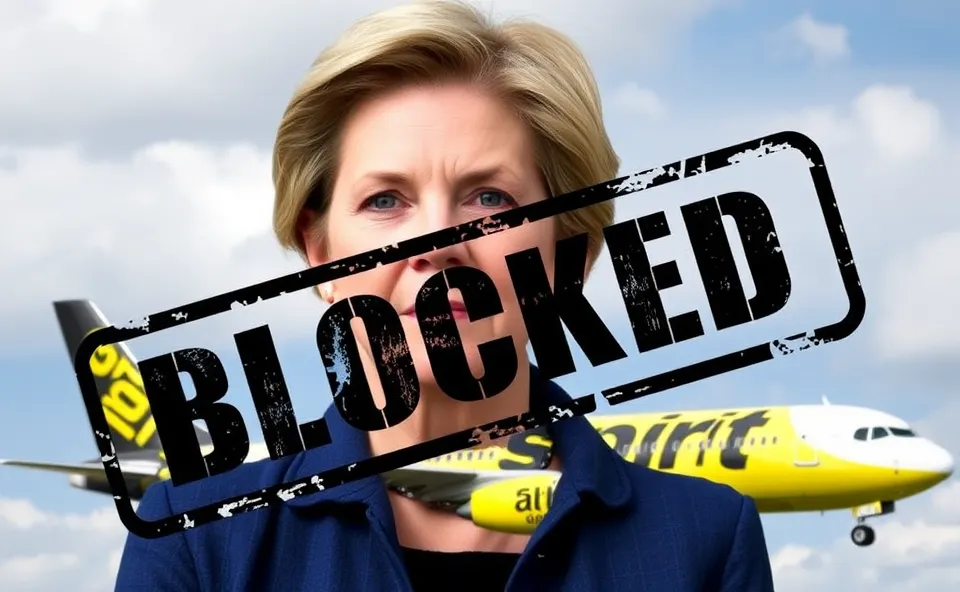
The Spirit Airlines Merger That Went Bust, And Why Elizabeth Warren Is Talking About It
You might have seen headlines buzzing about Spirit Airlines and a big merger deal that didn’t quite work out. It’s a story that’s drawn in a lot of attention, and recently, Senator Elizabeth Warren has found herself in the spotlight for her take on it. Let’s break down this whole situation, what it means for you and me, and why it’s become a hot topic.
What’s All the Fuss About the Spirit Airlines Merger?
So, here’s the simple version of what went down. JetBlue, a pretty well known airline, wanted to buy Spirit Airlines. This wasn’t just any small deal; it was a massive merger in the airline industry that promised to shake things up. The idea was that JetBlue would take over Spirit, and Spirit would eventually disappear as a separate brand. This kind of merger is often proposed with the goal of creating a bigger, potentially more efficient company.
However, this big merger deal hit a major roadblock. The U.S. Department of Justice stepped in, and through what’s called antitrust reviews, they decided to block the deal. Their main concern was that if JetBlue bought Spirit, it would reduce competition in the market. Think of it like having fewer choices when you go to buy something. The government’s argument was that this lack of competition could lead to higher flight prices for travelers.
Now, here’s where Senator Elizabeth Warren comes in. She publicly cheered the decision to block the JetBlue and Spirit Airlines merger. For her, this wasn’t just about business; it was about making sure consumers aren’t taken advantage of. She’s a big advocate for reining in corporate power, and she sees this merger block as a win for everyday people who are trying to afford travel costs.
Why Is Everyone Talking About This Now?
The reason this particular Spirit Airlines merger situation is trending is multifaceted. Firstly, the government’s decision to block such a significant merger in the airline industry is a big deal. It signals a tougher stance on antitrust regulations, especially for large companies. This regulatory scrutiny has implications far beyond just JetBlue and Spirit; it sends a message to other industries too.
Secondly, Senator Warren’s vocal support amplified the conversation. She has a large following and her platform gives her views significant weight. When a prominent figure like her weighs in and expresses happiness over the merger being blocked, it naturally sparks debate and draws attention from people who are interested in consumer rights and corporate accountability.
Also, the underlying issues this situation touches upon are constantly relevant. Flight prices are a major concern for many people. Travel costs directly affect household budgets, and any news that hints at potential increases or decreases in these costs will always grab headlines. The fate of Spirit Airlines itself is also a key factor; it’s a well recognized budget airline, and its potential absorption by a larger carrier raises questions about its future and the options available to its customer base.
A Look Back at the Airline Industry’s Evolution
To truly understand the significance of the Spirit Airlines merger block, we need a little background on the airline industry. Over the years, we’ve seen a trend of consolidation. Airlines have merged frequently, often citing the need for greater efficiency, the ability to compete on a global scale, or to better manage volatile market conditions. Think about some of the major airlines that exist today. Many of them are the result of mergers that happened over the past few decades.
This consolidation has led to fewer, larger airlines dominating the market. While this can sometimes lead to benefits like more integrated networks and potentially better loyalty programs, it also raises concerns about competition. The argument often made by consumer advocates and regulators is that a market with fewer players can be less dynamic and more susceptible to price increases or reduced service quality if those remaining players don’t feel the pressure of strong competition.
Spirit Airlines, as a low cost carrier, plays a distinct role in this landscape. These airlines traditionally offer very basic services at lower prices, appealing to budget conscious travelers. Their existence often puts downward pressure on prices across the entire industry. The worry with a JetBlue Spirit Airlines merger was that this pressure would be removed, potentially leading to an airline shutdown of that specific low cost model or a significant increase in prices for those who relied on Spirit.
What Does This Mean for You and the Skies Above?
The impact of this blocked merger deal is felt in a few key areas. For consumers, the most direct implication is likely related to flight prices and choices. The government’s decision suggests a belief that keeping JetBlue and Spirit separate will preserve more competition, which in theory should help keep ticket prices more affordable, especially on routes where both airlines operate. The fear of an airline shutdown of Spirit as a distinct brand is also put on hold, for now.
For the airlines involved, this is a significant setback. JetBlue had a clear strategy centered around acquiring Spirit. Now, they have to rethink their expansion plans. Spirit Airlines, on the other hand, continues to operate as an independent entity, but the uncertainty surrounding its future, especially after a failed merger attempt, remains.
Technologically, the impact is less direct but still relevant. Mergers often lead to the integration of reservation systems, loyalty programs, and operational technologies. With the merger blocked, these integration efforts are halted, and both companies will continue to manage their own distinct technological infrastructures.
In the broader market, this decision reinforces the government’s role in overseeing large corporate transactions. It shows that regulatory scrutiny will be applied, particularly when there are concerns about market concentration and consumer impact. This can influence how other companies approach potential mergers and acquisitions in the future.
What Comes Next for Spirit Airlines and the Industry?
Looking ahead, the future for Spirit Airlines remains a key question mark. While the JetBlue merger is off the table, the company still faces the ongoing challenges of operating in a competitive and dynamic airline industry. We might see Spirit continue to operate as it has, perhaps seeking other strategic partnerships or focusing on strengthening its own operations. There’s always a possibility of other suitors emerging, although the regulatory environment may make future large scale mergers more difficult to get approved.
For JetBlue, they will likely continue to pursue their growth strategies through other means. This could involve fleet expansion, introducing new routes, or potentially looking at smaller, less controversial acquisitions. The core issue of competition within the airline industry will continue to be a focus for regulators. We can expect continued vigilance regarding any moves that could significantly reduce the number of players or increase the market power of existing ones.
Ultimately, the Spirit Airlines merger story serves as a reminder that the airline industry is under constant observation. The balance between corporate growth and consumer protection is a delicate one, and decisions like this highlight the active role regulators play in shaping the landscape of travel for everyone.
Frequently Asked Questions About the Spirit Airlines Merger
What was the main reason the Spirit Airlines merger with JetBlue was blocked?
The primary reason the Spirit Airlines merger with JetBlue was blocked was due to antitrust concerns raised by the U.S. Department of Justice. Regulators believed that the merger would significantly reduce competition in the airline industry, potentially leading to higher flight prices for consumers and fewer choices in air travel.
How does blocking the Spirit Airlines merger affect flight prices?
The intention behind blocking the Spirit Airlines merger was to preserve competition, which advocates believe helps keep flight prices lower. By preventing JetBlue from acquiring Spirit, regulators hope to maintain more options for travelers and avoid potential price increases that could have resulted from a less competitive market.
What is the current status of Spirit Airlines after the merger was blocked?
Spirit Airlines continues to operate as an independent airline following the blocked merger deal. While the proposed acquisition by JetBlue did not go through, Spirit remains a separate entity in the airline industry, offering its services to customers.
What does Elizabeth Warren’s stance on the Spirit Airlines merger mean for consumers?
Elizabeth Warren’s vocal support for blocking the JetBlue and Spirit Airlines merger highlights a growing focus on consumer protection in large corporate deals. Her position signals that policymakers are watching these merger deals closely to ensure they do not negatively impact travel costs or consumer choice within the airline industry.
Could another airline attempt to acquire Spirit Airlines in the future?
It is possible that another airline could attempt to acquire Spirit Airlines in the future. However, any future merger deal would likely face significant regulatory scrutiny, especially given the recent outcome. The government’s strong stance against the JetBlue Spirit Airlines merger suggests a cautious approach to further consolidation in the airline industry.











