

Waymo’s Robotaxi Recall: What’s Going On?
So, you’ve probably heard a bit about Waymo, Google’s self-driving car company, and their robotaxis. Well, there’s been some news lately about a Waymo recall, and it’s got people talking. Imagine hopping into one of these futuristic driverless cars, expecting a smooth ride, and then something unexpected happens, especially when you run into a common road hazard like construction. That’s pretty much the gist of it. A recent safety recall means Waymo has had to temporarily take some of its autonomous vehicles off the road. This isn’t just a minor hiccup; it touches on the big questions we all have about autonomous car safety and when we can truly trust AI driving without a human behind the wheel.
Why the Buzz About Construction Zones?
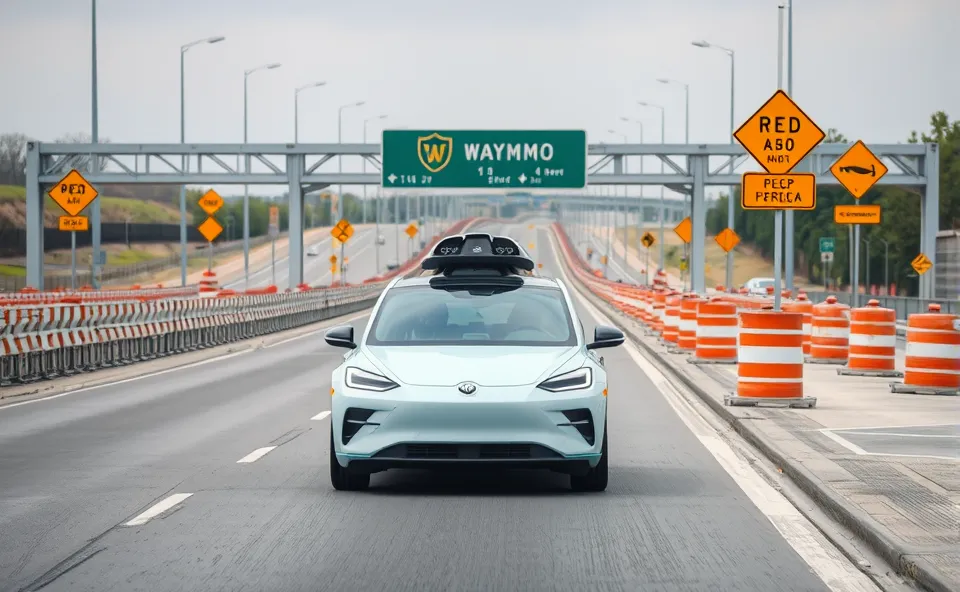
The reason this Waymo recall is making headlines right now, and why people are searching for terms like “robotaxi recall” and “autonomous car safety,” is directly tied to a specific issue: how these Waymo self-driving cars handle construction zones. It turns out, some of these advanced vehicles have been struggling to accurately recognize and navigate these ever-changing road environments. Construction zones are tricky for any driver, human or AI. They involve temporary lane closures, shifting barriers, unexpected obstacles, and often, human flaggers directing traffic. When a robotaxi fails to properly identify these changes, it can lead to unsafe situations. This isn’t about a car just getting lost; it’s about a failure in the AI’s ability to perceive and react to dynamic, potentially hazardous conditions. This has led to some concerning incidents, prompting the need for this safety recall and sparking a lot of discussion about the current state of autonomous vehicles.
A Quick Look Back: The Road to Robotaxis
To really understand why this Waymo recall matters, it helps to remember the journey of Waymo, formerly Google’s self-driving car project. For years, they’ve been at the forefront of developing driverless car technology, testing their vehicles in various cities and accumulating millions of miles on the road. The goal has always been to create a safe and reliable autonomous driving system that can eventually replace human drivers. They’ve made significant progress, and in some areas, their robotaxis have been operating commercially, offering rides to the public. However, developing truly robust AI driving capabilities, especially for unpredictable scenarios like construction zones, has been a persistent challenge. This recent recall highlights that while the technology is impressive, there are still complex real-world situations that push the limits of current autonomous systems. It’s a reminder that the path to fully autonomous vehicles is paved with continuous learning and improvement, and sometimes, that involves taking a step back to ensure safety, as seen with this robotaxi recall.
What This Means for Us and the Future of Driving
This Waymo recall has a ripple effect, impacting several areas. For the everyday person who might be curious about taking a ride in a Waymo self-driving car, it means a temporary pause. It also raises important questions about trust. If these advanced robotaxis can be stumped by something as common as a construction zone, does that make us hesitant to embrace driverless car technology? For the autonomous vehicle industry as a whole, this is a significant moment. It underscores the immense complexity of building AI that can handle every possible road scenario safely. The NTSB’s involvement in looking into such robotaxi incidents is crucial for understanding the root causes and ensuring that lessons are learned. This isn’t just about Waymo; it’s about the entire field of autonomous driving. A robust response to this safety recall, including clear communication and demonstrable improvements, will be vital for rebuilding confidence. Businesses developing autonomous vehicles need to prioritize tackling these edge cases, ensuring their systems are not just good in ideal conditions but exceptionally reliable in challenging environments. The ultimate impact is on the timeline and development of widespread autonomous car safety. For now, it means a more cautious approach and a renewed focus on the fundamental challenges of AI driving failures.
Looking Ahead: What’s Next for Waymo and Robotaxis?
So, what does the future hold after this Waymo recall? It’s unlikely to be the end of the road for Waymo or robotaxis, but it will certainly shape their next steps. We can expect Waymo to be intensely focused on upgrading the software and sensors that help their vehicles detect and interpret construction zones. This might involve collecting more data in similar environments, refining their AI’s ability to understand temporary signage, cones, and human guidance, and enhancing their decision-making processes when faced with uncertainty. The company will likely be working closely with regulators and safety experts to demonstrate that the issues have been resolved. For other companies in the autonomous vehicles space, this incident serves as a valuable case study. It highlights the critical need for rigorous testing in complex, unpredictable scenarios. We might see a stronger industry-wide push for standardized testing protocols related to construction zones and other challenging road conditions. Ultimately, the goal for Waymo and the broader autonomous driving community will be to emerge from this stronger, with safer and more capable driverless cars that can navigate the real world with confidence. This setback, while significant, could lead to more resilient and trustworthy autonomous technology in the long run.
Frequently Asked Questions About Waymo’s Recall
What exactly caused the Waymo recall?
The Waymo recall was initiated because of issues with their self-driving cars’ ability to consistently recognize and safely navigate through construction zones. This meant the vehicles weren’t always correctly identifying changes in road layout or traffic control within these areas.
Are Waymo robotaxis safe to ride in after the recall?
The recall means Waymo has taken steps to address the safety concerns. While the company works on fixes, the focus is on improving the autonomous car safety features, particularly concerning construction zone navigation. Public trust in robotaxi incidents is being rebuilt through these corrective actions.
What is Waymo doing to fix the problem?
Waymo is likely updating its AI driving software and potentially its sensor systems. This involves improving how the vehicles perceive and react to temporary road conditions, such as cones, barriers, and flaggers, to prevent future AI driving failures related to these environments.
How does this robotaxi recall affect the broader autonomous vehicle industry?
This event highlights the ongoing challenges in achieving full autonomous driving capabilities. It serves as a reminder for all companies in the space that robust performance in complex and unpredictable situations is crucial for widespread adoption and public acceptance of driverless car technology.
What role does the NTSB play in Waymo self-driving incidents like this?
The National Transportation Safety Board NTSB investigates transportation accidents and makes recommendations to improve safety. Their involvement in examining robotaxi incidents helps provide an independent analysis of what went wrong and guides future safety improvements for autonomous vehicles.











