

“`html
The Rise of Robotaxis Waymo Expands to Singapore
The world of transportation is shifting, and one of the most exciting areas of change is in autonomous vehicles (AVs), often called driverless cars. Recently, Waymo, a leader in this field and an Alphabet company, announced its expansion into Singapore. This move is a significant step for both Waymo and the broader autonomous vehicle market, especially in Southeast Asia. Understanding Waymo’s robotaxi expansion into Singapore helps us grasp the future of urban mobility and the economics behind these transformative technologies.
What Are Robotaxis and Why Do They Matter?
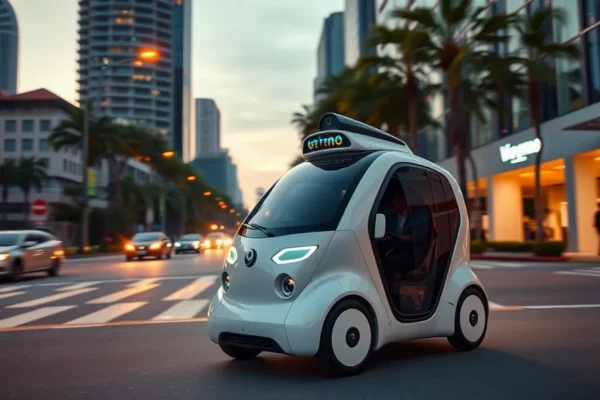
Robotaxis are essentially taxis that drive themselves. They are a prime example of how autonomous vehicle technology can be applied to real-world services. Think of it like this: instead of hailing a traditional taxi and having a human driver take you to your destination, you summon a robotaxi using a smartphone app. A self-driving car then arrives, and you can travel to your destination without a human behind the wheel. This technology relies on advanced sensors, artificial intelligence (AI), and complex mapping systems to navigate roads safely. The reason this matters is that robotaxis have the potential to reshape how we travel in cities, offering new levels of convenience, potentially lower costs, and improved safety by reducing human error, a major cause of road accidents. For many, understanding this emerging transit innovation is key to grasping the future of personal and public transportation.
How Waymo’s Robotaxis Will Operate in Singapore
Waymo’s operation in Singapore follows a well-tested model. The company will first likely start with a limited service area, often in specific districts known for their dense population and well-mapped infrastructure. Imagine a city’s downtown core, where many people live and work. Here’s how it generally works: A customer, who has downloaded the Waymo app, requests a ride. The app communicates with Waymo’s system, which identifies the nearest available robotaxi. This driverless car navigates to the customer’s location using its onboard sensors and AI. Once the passenger is inside, the vehicle proceeds to the destination, constantly monitoring its surroundings. This process is akin to how ride-sharing services like Uber or Grab currently operate, but with the key difference being the absence of a human driver. Waymo has already successfully deployed its services in cities like Phoenix and San Francisco, providing valuable data and experience that informs its Singapore expansion.
Why This Expansion Matters for Southeast Asian Urban Mobility
The Waymo expansion into Singapore is more than just a new service in one city; it’s a significant signal for the entire Southeast Asian region. Southeast Asia is characterized by rapidly growing urban populations and increasingly congested cities, making efficient and innovative urban mobility solutions crucial. Singapore, with its advanced infrastructure, tech-savvy population, and supportive regulatory environment, serves as an ideal testing ground. If successful, Waymo’s robotaxis could offer a viable alternative to traditional public transport and private car ownership, potentially easing traffic congestion and reducing carbon emissions. This could lead to more efficient city planning and a better quality of life for residents. The AV market in Southeast Asia is still nascent, but Waymo’s presence will undoubtedly accelerate its development and encourage other players to explore the region.
The Evolution of Autonomous Vehicles and the Current Interest
The concept of self-driving cars isn’t entirely new; it has been a subject of research and development for decades. However, recent advancements in AI, sensor technology, and computing power have brought this vision closer to reality. Waymo, which began as a project within Google (also part of Alphabet), has been a pioneer in this space, accumulating millions of miles of testing. The current surge of interest is fueled by the promise of safety improvements, economic efficiencies, and enhanced convenience. For instance, studies by organizations like the National Highway Traffic Safety Administration (NHTSA) in the US have highlighted human error as a factor in over 90% of vehicle crashes, underscoring the potential safety benefits of autonomous technology. The push towards electric vehicles also complements the development of AVs, as many autonomous systems are being integrated with electric powertrains.
Thinking About Robotaxis in Your Financial Life
For individuals, the rise of robotaxis could eventually influence personal finance decisions related to transportation. As robotaxi services become more widespread and potentially more affordable than traditional taxis or even car ownership (considering costs like insurance, fuel, maintenance, and parking), people might reconsider purchasing and maintaining a personal vehicle. This could free up significant disposable income for other financial goals. However, it’s important to note that widespread adoption will take time, and the initial costs of robotaxi rides might be higher than conventional options. When you see news about Waymo expansion or the AV market, think about how these changes might affect your long-term spending on transportation. It’s also wise to consider the potential impact on jobs in the transportation sector.
Connecting Robotaxis to Broader Economic Trends
Waymo’s expansion into Singapore connects to several broader economic themes. It’s a prime example of the application of artificial intelligence and machine learning in the service economy. The success of robotaxis can stimulate job growth in fields like AI development, data analysis, and vehicle maintenance, even as it displaces traditional driving roles. Furthermore, increased efficiency in urban mobility can have a ripple effect on other sectors, such as logistics and delivery services. The investment in such advanced technologies also signals a country’s commitment to being a leader in transit innovation, attracting further technological investment and talent. This is part of a global trend where cities are seeking smarter, more sustainable ways to manage their infrastructure and resources.
Frequently Asked Questions About Waymo Robotaxis in Singapore
What is Waymo’s primary focus with its robotaxi service in Singapore?
Waymo’s primary focus is to introduce and scale its fully autonomous, driverless car service as a safe and efficient transportation option for residents and visitors in Singapore, contributing to the city’s advanced urban mobility ecosystem.
How does Waymo’s robotaxi expansion impact the broader autonomous vehicle (AV) market?
Waymo’s expansion into a developed, yet complex, urban environment like Singapore validates the technology and market potential for autonomous vehicles in diverse global cities, likely encouraging further investment and competition in the AV market.
What are the potential benefits of robotaxis for Southeast Asia’s urban mobility?
For Southeast Asia, robotaxis like Waymo’s could offer reduced traffic congestion, improved air quality through electrification, increased transportation accessibility, and a catalyst for technological advancement in transit innovation.
Are Waymo’s driverless cars safe to use?
Waymo has an extensive safety record from testing in various cities. Their vehicles are equipped with advanced sensors and AI designed to operate safely. However, as with any new technology, continuous monitoring and regulatory oversight are crucial.
How might Waymo’s robotaxis affect employment in Singapore?
The introduction of driverless cars like Waymo’s could lead to a decline in demand for professional drivers in the taxi and ride-hailing sectors, while simultaneously creating new jobs in technology development, fleet management, and maintenance.
What are the risks associated with Waymo’s expansion into new markets like Singapore?
Risks include challenges in navigating complex urban environments, potential public skepticism or resistance to driverless cars, the need for robust cybersecurity to protect against hacking, and the cost and complexity of scaling operations in a new region.
Disclaimer: This educational content is for informational purposes only and does not constitute financial advice. Financial situations vary, and individuals should consult with a qualified financial professional for personalized guidance. Investment decisions should be made based on thorough research and individual circumstances.
“`











