

The Simple Idea Behind Bonds
Imagine you have a friend who wants to start a lemonade stand but does not have the money for the lemons, sugar, and pitchers. You agree to lend them 100 dollars. In exchange, your friend promises two things. First, they will pay you 5 dollars every year as a thank you for the loan. Second, at the end of five years, they will give you back your original 100 dollars in full.
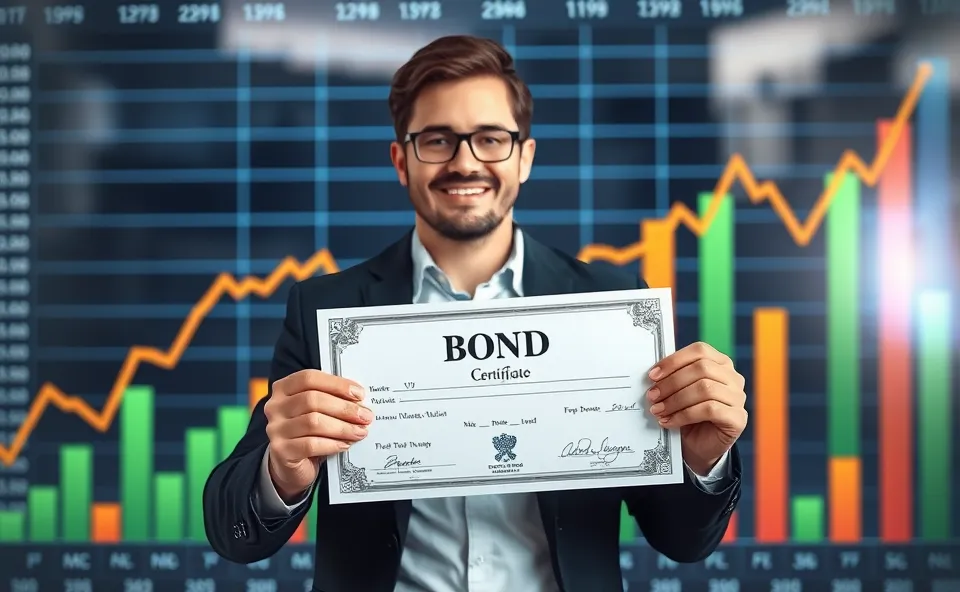
That is exactly how a bond works. In the professional world, a bond is essentially an IOU. Instead of a friend, the borrower is usually a government or a large company. Instead of a lemonade stand, they might be building a new highway, funding a school, or expanding a factory. When you buy a bond, you are not buying a piece of a company like you do with a stock. Instead, you are acting as the bank. You are lending your money to an organization for a set period of time.
Because bonds provide a predictable stream of payments, they are known as a fixed-income security. This means you know exactly how much you will earn and when you will get your initial investment back. It is a straightforward agreement that prioritizes stability over the high growth you might see in the stock market.
Why Everyone is Talking About Bonds Right Now
For a few years, many people ignored bonds because interest rates were incredibly low. When rates are low, the payments you get from a bond are small, making them feel less attractive compared to the potential gains from tech stocks or crypto. However, the financial landscape has shifted recently.
Inflation has pushed central banks to raise interest rates. When this happens, new bonds start offering much higher payments to attract investors. Suddenly, the idea of a guaranteed check every few months looks a lot better than the rollercoaster ride of a volatile stock market. People are searching for ways to protect their savings while still earning a decent return.
We are also seeing a general shift in how people think about risk. After several years of market swings, there is a growing desire for predictability. Investors want to know that their money is safe and that they have a reliable source of income. This has brought bonds back into the spotlight as a cornerstone of a smart financial strategy.
How Bonds Actually Work and the Different Types
To understand investing in bonds, you need to know a few basic terms. These terms are the rules of the game and determine how much money you make.
The Core Concepts
The first key term is bond interest, often called the coupon rate. This is the annual percentage the borrower pays you. If you buy a 1,000 dollar bond with a 4 percent interest rate, you will receive 40 dollars a year.
The second term is bond maturity. This is the expiration date of the loan. Some bonds mature in six months, while others might take thirty years. Once the bond hits its maturity date, the borrower pays back the full original amount you lent them, and the contract ends.
Comparing the Different Types of Bonds
Not all loans are created equal. Depending on who you lend your money to, the risk and the reward will change. There are several types of bonds, but the two most common are government and corporate.
- Government Bond: These are issued by national governments. In the United States, these are called Treasuries. They are generally considered the safest investments because it is very unlikely that a major government will go bankrupt. Because the risk is so low, the interest rates are usually lower than other options.
- Corporate Bond: These are issued by companies. A tech giant or a car manufacturer might issue bonds to fund a new project. These are riskier than government bonds because companies can fail. To make up for that risk, corporate bonds usually offer higher interest rates to tempt investors.
Within these categories, you will also find municipal bonds, which are issued by cities or states, and agency bonds, which are issued by government sponsored enterprises. The bond definition remains the same across all of these: it is a loan from an investor to a borrower.
What This Means for Your Wallet and Retirement
When people talk about personal finance, they often focus on growth. They want their money to double or triple. While that is important, growth usually comes with the risk of loss. This is where bonds play a vital role in a balanced portfolio.
Bonds act as the shock absorbers for your money. When the stock market crashes, bonds often hold their value or even go up. By holding both stocks and bonds, you ensure that a bad day on Wall Street does not wipe out your entire life savings. This balance is what experts call diversification.
The Role in Retirement Planning
In retirement planning, the goal shifts from growing your wealth to preserving it. When you are thirty years old, you can afford to take risks because you have decades to recover from a market dip. However, when you are sixty five and relying on your savings to buy groceries, you cannot afford a 30 percent drop in your portfolio.
Retirees use bonds to create a reliable income stream. Instead of selling off stocks during a market downturn, they can live off the bond interest payments. This provides a level of psychological and financial security that stocks alone cannot offer. It transforms a pile of savings into a steady, predictable paycheck.
Where Things Are Heading With Fixed Income
The world of bonds is evolving. While the basic concept of a loan has not changed in centuries, the way we use them is shifting. We are seeing a rise in green bonds, which are specifically used to fund environmentally friendly projects like wind farms or clean water systems. This allows investors to earn a return while supporting a cause they believe in.
We are also seeing technology change how bonds are bought and sold. In the past, you needed a professional broker to handle these transactions. Now, digital platforms make it easier for the average person to access various types of bonds without needing a middleman.
Looking forward, the relationship between inflation and interest rates will continue to drive the bond market. As economies stabilize, we will likely see a more blended approach to investing. People will not just choose between stocks or bonds, but will use a mix of both to navigate an unpredictable global economy. The focus will remain on finding the sweet spot between safety and growth.
Common Questions About Bonds
What is the main difference between a bond and a stock?
When you buy a stock, you own a piece of the company. If the company grows, your share value goes up. When you buy a bond, you are lending money to the company. You do not own any of the business, but the company is legally obligated to pay you back with interest.
Are government bonds safer than corporate bonds?
Generally, yes. A government bond is backed by the taxing power of a nation, making it very secure. A corporate bond depends on the financial health of a specific company, which is more likely to face financial trouble than a national government.
How does bond maturity affect my investment?
Bond maturity determines how long your money is locked away. Short term bonds give you your money back sooner, which is great for liquidity. Long term bonds usually offer higher interest rates because you are committing your money for a longer period.
Can I lose money when investing in bonds?
While they are safer than stocks, there are still risks. The biggest risk is default, where the borrower cannot pay you back. There is also interest rate risk. If you hold a bond paying 3 percent and new bonds start paying 5 percent, your bond becomes less valuable if you try to sell it to someone else before it matures.
How do bonds fit into a general personal finance plan?
In a healthy personal finance plan, bonds serve as a stabilizer. They reduce overall volatility and provide a guaranteed income source. Most people increase their percentage of bond holdings as they get closer to retirement to ensure their money is protected.











