

Your Money’s Everyday Hub What Exactly Is a Checking Account
Ever feel like your money needs a home base, a place where it can be easily accessed for all your daily needs, from grabbing a coffee to paying your rent? That’s precisely where a checking account comes in. Think of it as your personal financial command center. It’s a type of bank account designed for frequent transactions, allowing you to deposit money and then withdraw it or spend it whenever you need to. Unlike a savings account, which is more about holding onto money and earning a little extra interest, a checking account is all about accessibility and usability for your everyday financial life.
Why All the Buzz About Checking Accounts Right Now
You might be wondering why you’re suddenly seeing a lot more talk about checking accounts. It’s likely because as the world shifts more towards digital transactions and people are constantly managing their finances on the go, the fundamental role of a checking account becomes even more important. With the rise of online banking, mobile apps, and contactless payments, understanding how to best use your checking account to navigate these modern financial tools is key. People are looking to ensure they have the right tools to manage their money efficiently, avoid unnecessary fees, and make the most of their banking services in today’s fast-paced economic environment.
A Look Back How Checking Accounts Became Our Financial Staples
The concept of a checking account isn’t exactly new. Its roots go back to the idea of safekeeping funds and issuing written orders to release them, which evolved over centuries. In simpler times, people might have kept cash at home, but as commerce grew, so did the need for a more secure and efficient way to handle money. Banks emerged as trusted institutions. The development of checks, those paper slips you used to write, allowed people to authorize the bank to pay someone else directly from their account without having to physically handle large sums of cash. This was a revolutionary step in making transactions safer and more convenient. Over time, technology has transformed how we interact with our checking accounts, moving from paper checks to debit cards, online transfers, and mobile banking apps, but the core purpose remains the same: a place for your money to live and be spent easily.
What Having the Right Checking Account Means for You
So, what’s the big deal about having a checking account and picking the right one? For starters, it’s essential for day-to-day living. It’s where your paycheck likely gets deposited, and it’s how you’ll pay bills, buy groceries, and handle all those other financial necessities. Having a checking account means you can easily access your liquid assets without much hassle.
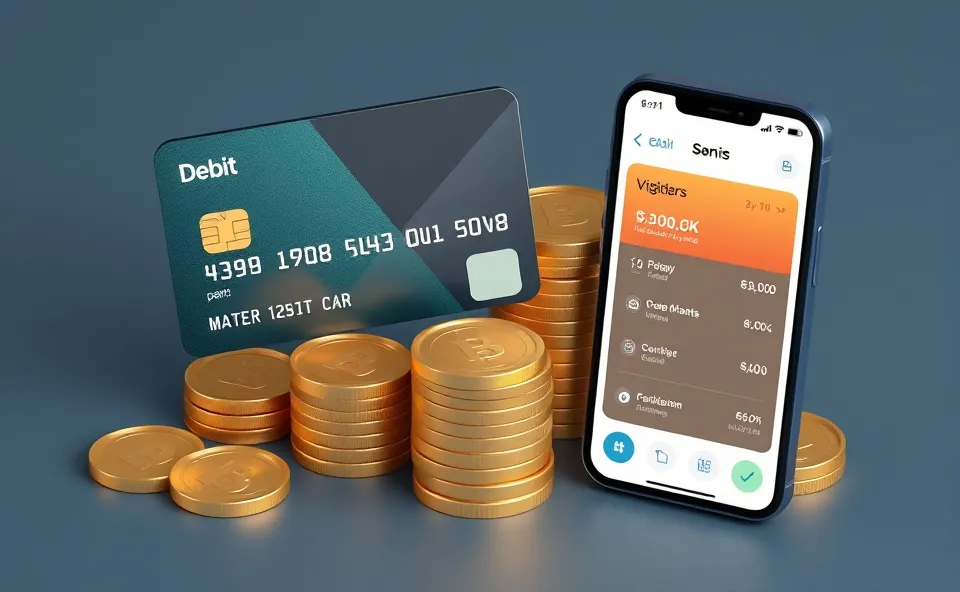
Think about the key features you’ll encounter. Most checking accounts come with a debit card, which is like a key to your money, letting you swipe or tap at point-of-sale terminals or withdraw cash from ATMs. You’ll also have ATM access, providing another way to get cash or check your balance. Many banks now offer robust online banking and mobile app features, allowing you to manage your account from anywhere. You can transfer money, pay bills, and even deposit checks using your phone.
However, it’s also important to be aware of potential downsides. One of the biggest concerns for many people is overdraft fees. This happens when you spend more money than you have in your account, and the bank covers it but charges a hefty fee. Understanding the overdraft policies of your checking account is crucial to avoid unexpected costs. Some checking accounts might also offer interest rates, though typically these are quite low compared to a savings account. The fees associated with a checking account can also vary widely, from monthly maintenance fees to fees for using out-of-network ATMs. Choosing an account that minimizes these fees and aligns with your spending habits is key to keeping more of your hard-earned money.
The Road Ahead for Your Everyday Finances
Looking ahead, the checking account will continue to evolve. We’re likely to see even more integration with digital payment systems and budgeting tools. Expect banks to offer more personalized features and perhaps even better interest rates on certain types of checking accounts as they compete for your business. As financial technology advances, the ways you interact with your checking account will become even more seamless and intuitive. The focus will probably remain on security, convenience, and providing users with more control over their funds, all while navigating the complexities of fees and interest rates. The goal will be to make managing your money not just a task, but an integrated part of your digital life.
Got Questions About Your Checking Account
What is the main purpose of a checking account compared to a savings account?
A checking account is designed for frequent transactions and easy access to your money for daily expenses, while a savings account is meant for holding money and earning interest over time.
How does a debit card work with my checking account?
Your debit card is linked directly to your checking account. When you use it, the money for the purchase is immediately deducted from your available balance.
What should I know about overdraft fees when using my checking account?
Overdraft fees are charges incurred when you spend more money than you have in your checking account and the bank covers the transaction. It’s important to understand your bank’s overdraft policy to avoid these potentially costly fees.
Are there any benefits to accounts that offer interest rates on checking accounts?
While the interest rates on checking accounts are typically low, they can still provide a small return on your money, especially if you maintain a significant balance.
How can online banking improve my experience with a checking account?
Online banking allows you to manage your checking account remotely. You can check balances, transfer funds, pay bills, and view transaction history, making banking more convenient.











